
From Soil to Sanctuary: My Personal Garden Desk Journey
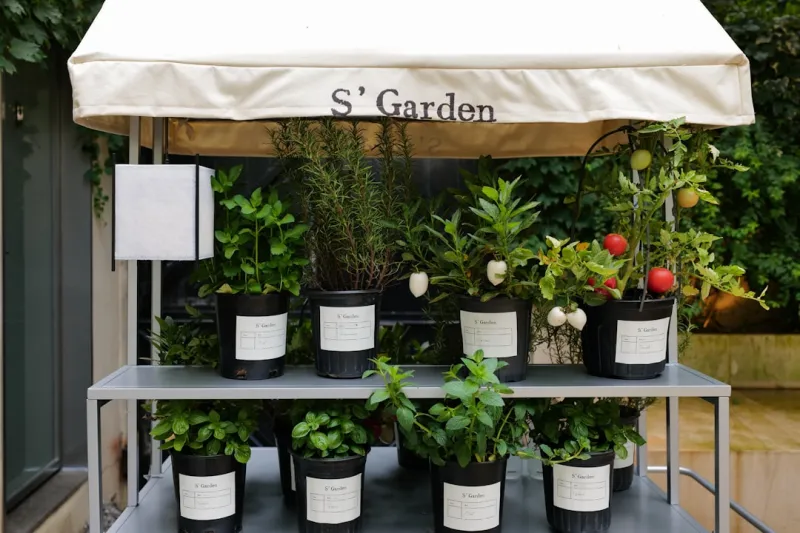
When I first imagined a workspace blooming among rosemary and rose bushes, I never anticipated it would become the defining home & garden trend of 2024. The moment I cleared a modest patch of loam beside my kitchen, I felt the earth pulse with possibility, inviting both seedlings and ideas to take root together. I spent weekends coaxing clover, lavender, and heirloom tomatoes into a living backdrop, all while sketching a sturdy reclaimed‑wood desk that would eventually cradle my laptop and my morning coffee. The result was more than an outdoor office; it was a sanctuary where the boundary between productivity and peace dissolved, and I quickly realized that the world was craving this harmonious blend of green and grind. Garden desks have since sprouted across neighborhoods, proving that a simple patch of soil can power both plant growth and professional growth.
Design Details That Make the Difference
Every successful garden desk balances aesthetics, ergonomics, and sustainability, and my own setup reflects that triad. I chose a weather‑treated pine tabletop, reinforced with steel brackets salvaged from an old greenhouse, ensuring resilience against rain while maintaining a rustic charm. Above the surface, a canopy of pergola vines provides dappled shade, reducing glare on my screen and keeping the workspace cool in midsummer heat. I integrated a reclaimed‑brick footrest, allowing me to switch between seated and standing positions without sacrificing comfort. The surrounding plant beds are not just decorative; they serve as natural air filters, releasing oxygen and soothing scents that boost concentration. By thoughtfully curating each element, I created a space that feels as intentional as any downtown co‑working loft, yet it lives harmoniously within my backyard ecosystem.
Boosting Creativity With Greenery
Science shows that exposure to nature enhances creative thinking, and my garden desk is a living laboratory of that principle. The gentle rustle of leaves, the occasional chirp of a sparrow, and the subtle fragrance of blooming thyme act as sensory cues that trigger divergent thought patterns. I often schedule brainstorming sessions during the golden hour, when sunlight filters through the foliage, casting intricate shadows that inspire fresh perspectives. This immersion in a living environment has led me to develop new product lines for my home décor business, each inspired by a specific plant’s texture or hue. The garden’s rhythm—its cycles of planting, pruning, and harvesting—mirrors the creative process, reminding me that ideas, like seedlings, need time, care, and the right conditions to flourish.
Health Benefits That Extend Beyond the Desk
Beyond creativity, my garden desk has become a catalyst for holistic well‑being. The act of stepping outside for a quick stretch transforms a sedentary workday into a series of micro‑movements, reducing the risk of back pain and eye strain. The ambient humidity from nearby water features eases respiratory irritation, while the presence of pollinator‑friendly flowers attracts bees and butterflies, offering moments of quiet observation that lower stress hormones. I’ve also incorporated a small compost bin beneath the desk, turning kitchen scraps into nutrient‑rich soil for my garden—a practice that reinforces a sense of purpose and reduces waste. Collectively, these health‑focused details illustrate why garden desks are not merely a fad but a sustainable lifestyle upgrade for modern professionals.
Economic Advantages of a Backyard Office
From a financial standpoint, the garden desk offers impressive returns on modest investments. Repurposing reclaimed materials slashes costs, while the reduction in commute expenses translates to significant savings over a year. I calculate that the combined savings from fuel, parking, and daily coffee purchases offset the initial outlay for the desk within six months. Moreover, the thriving garden yields fresh herbs and vegetables that replace grocery items, further enhancing the budgetary benefits. For freelancers and remote workers, this model provides a low‑overhead, high‑productivity environment that can be scaled or adapted to any property size, making it an attractive proposition for anyone looking to maximize both profit and personal satisfaction.
Community Impact and the Rise of Green Workspaces
My garden desk has sparked neighborhood curiosity, turning my backyard into a hub for informal knowledge exchange. Neighbors now gather for “green coffee mornings,” where we discuss soil health, sustainable office design, and the future of remote work. This communal enthusiasm mirrors the broader movement highlighted in Garden Desk Revolution, where homeowners worldwide are reimagining their exteriors as multifunctional spaces. By sharing tools, seeds, and design tips, we collectively reduce consumption and foster a culture of environmental stewardship. The ripple effect extends beyond aesthetics, influencing local policy discussions about zoning and green infrastructure, proving that a single garden desk can catalyze widespread ecological awareness.
Step‑by‑Step Guide to Creating Your Own Garden Desk
If you’re ready to embark on your own garden desk adventure, start by assessing sunlight patterns and soil quality in a chosen corner of your yard. Clear the area of debris, then lay a foundation of compacted gravel to ensure drainage and stability. Next, construct a sturdy frame using sustainably sourced timber, reinforcing it with metal brackets for longevity. Install a tabletop that can withstand the elements—treated wood or composite materials work well. Surround the desk with low‑maintenance, shade‑giving plants like hostas, ferns, and dwarf citrus trees. Finally, add ergonomic accessories such as an adjustable chair, a solar‑powered lantern, and a small rainwater collection barrel to water your plants. For a more detailed walkthrough, refer to From Soil to Success: Rose DesRochers’ Guide, which outlines each phase from concept to completion.
Sustainability Practices Embedded in the Design
Integrating sustainability into the garden desk goes beyond using reclaimed wood; it encompasses water management, energy efficiency, and biodiversity. I installed a rain‑gathering system that channels runoff into a drip‑irrigation network, ensuring my plants receive consistent moisture while reducing municipal water usage. Solar panels discreetly mounted on the pergola power a low‑energy LED desk lamp and charge my devices, eliminating the need for external electricity. To promote biodiversity, I introduced native wildflower mixes that attract pollinators, creating a mini‑ecosystem that supports local fauna. These practices demonstrate how a garden desk can serve as a micro‑green infrastructure model, aligning personal productivity with planetary responsibility.
Future Outlook: Garden Desks as a Mainstream Lifestyle
Looking ahead, garden desks are poised to become a staple of modern living, especially as hybrid work arrangements solidify. Architects and designers are already incorporating outdoor work zones into new housing developments, acknowledging the demand for flexible, health‑focused environments. The trend also aligns with growing consumer desire for authenticity and connection to nature, making garden desks a natural evolution of the home office concept. As more people share their successes online, the collective knowledge base expands, accelerating innovation in materials, modular designs, and smart‑garden integrations. I foresee a future where the line between indoor and outdoor workspaces blurs, creating holistic habitats that nurture both career ambitions and ecological consciousness.

When it comes to the world of blogging and writing, Rose DesRochers is a name that stands out. Her passion for creating quality content and connecting with her audience has made her a trusted voice in the industry. Aside from her skills as a writer and blogger, Rose is also known for her compassionate nature.
Related Posts
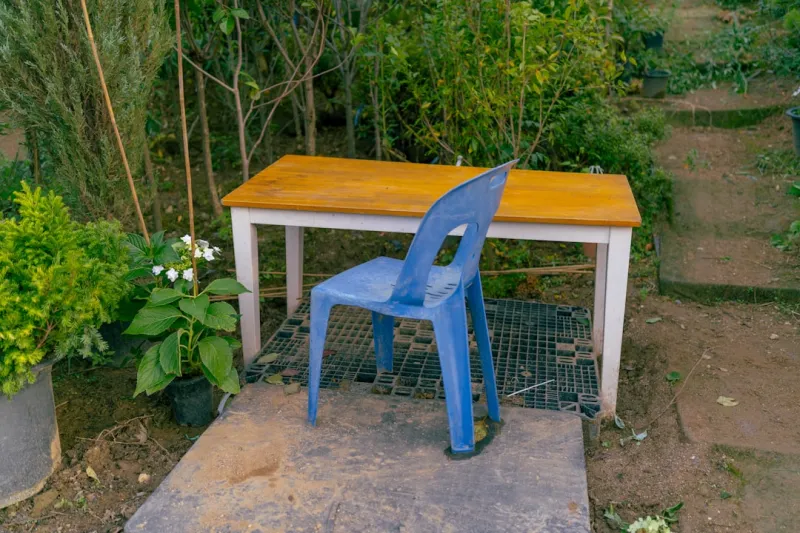
Cultivating Productivity: How Garden Desks Transform Home Life
A garden desk isn’t just furniture; it’s a lifestyle upgrade that merges work, wellness, and the... Read More
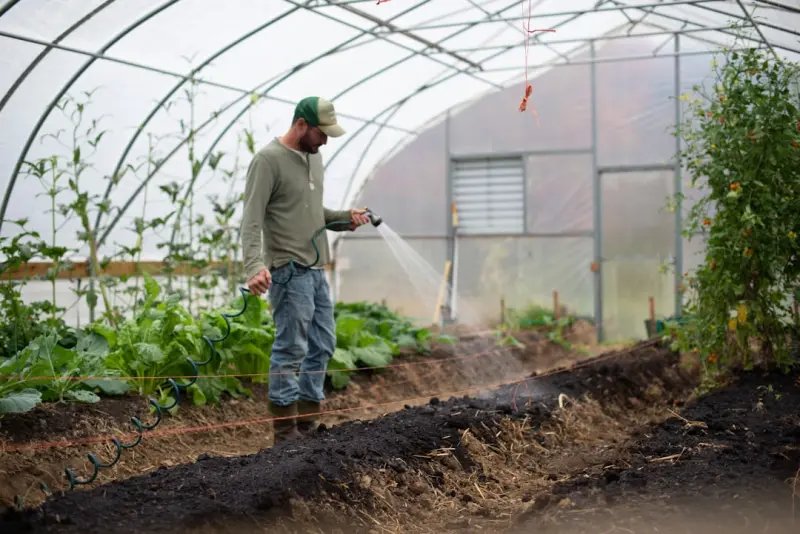
Cultivating Climate‑Smart Gardens: Small‑Space Strategies for a Resilient Home
Discover how to turn any balcony, yard, or rooftop into a climate‑smart garden using native plants... Read More
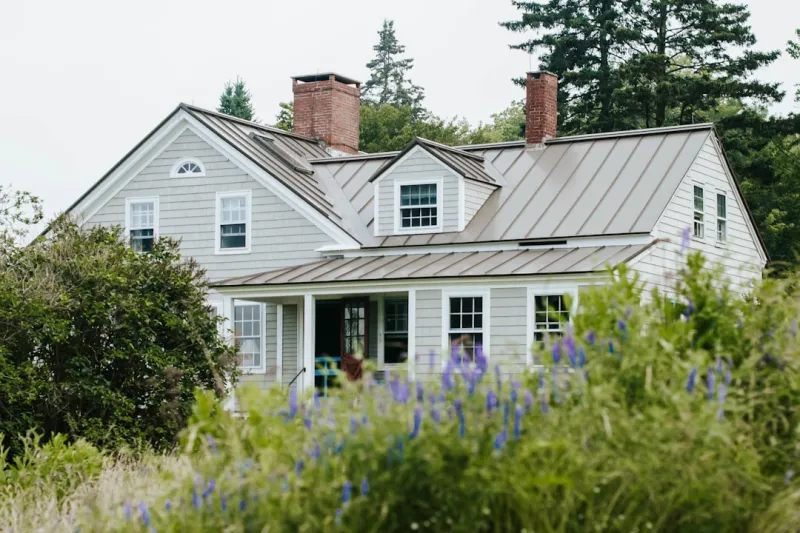
Garden to Office: Jimmy Damon’s Blueprint for a Home That Works and Grows
Jimmy Damon shares his hands‑on strategy for blending garden beauty with productive home office de... Read More
Top Posts

Beyond the Tourist Trail: Curiosity‑Led Travel for Real Connection
Explore a fresh travel mindset that swaps checklists for questions, embraces unplanned detours, and uses simple tools to turn every journey into a meaningful, s...Read More

Beyond Automation: Turning Generative AI Into a Strategic Forecast Engine
Explore the next evolution of generative AI: moving beyond automation to become a strategic forecast engine that helps leaders anticipate outcomes, run scenario...Read More

Outcome‑Based Employment: Paying for Impact, Not Hours
A deep dive into outcome‑based employment, this article explains how tying compensation to measurable impact can align teams with business goals, improve moti...Read More

Scent‑Driven Self‑Care: Elevate Your Work‑From‑Home Routine with Aromatherapy
Explore practical aromatherapy tips and DIY recipes that help remote professionals harness the power of scent for better mood, productivity, and personal care....Read More
0 Comments
Post Comment
You will need to Login or Register to comment on this post!