
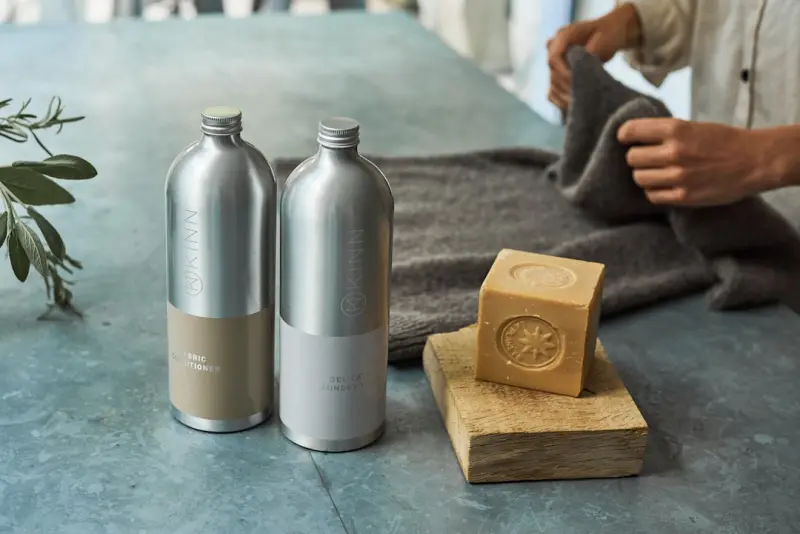
Why Zero‑Waste Personal Care Is the Next Frontier in Self‑Care
When I first started swapping my plastic shampoo bottles for refillable alternatives, I thought I was just being “eco‑friendly.” Quickly I realized I was stepping into a broader philosophy that treats the bathroom not merely as a functional space but as a personal sanctuary where every choice reverberates through my health, my wallet, and the planet. In today’s fast‑paced world, the temptation to reach for the newest, flashiest product is strong. Yet the most lasting impact comes from the quiet, intentional decisions we make each morning and night.
The Hidden Cost of Conventional Personal Care
Most of us are accustomed to the convenience of single‑use packaging: a travel‑size deodorant, a disposable razor, a pre‑moistened wipe. While these items promise instant gratification, they also generate a steady stream of waste that ends up in landfills or the ocean. Beyond the environmental toll, many of these products contain synthetic chemicals that can disrupt our skin’s natural barrier, trigger allergic reactions, or even influence hormonal balance.
Understanding this hidden cost is the first step toward a more mindful routine. It forces us to ask, “Do I really need this?” and “Is there a better alternative that aligns with my values?” The answers often lead us down a path of refill stations, bar soaps, and DIY formulations that feel more personal and less disposable.
Building a Zero‑Waste Bathroom: The Core Pillars
- Packaging Reuse: Opt for refillable containers made from glass, stainless steel, or high‑grade recycled plastic. Brands are increasingly offering bulk stations for shampoos, conditioners, and body washes, letting you bring your own jars.
- Ingredient Transparency: Choose products with minimal, recognizable ingredients. When you understand what’s inside, you’re less likely to purchase “miracle” items that are simply marketing gimmicks.
- Multi‑Purpose Products: Consolidate your arsenal. A solid shampoo bar can double as a body wash, while a single moisturizer can serve both face and hands, reducing the number of containers you own.
- DIY Formulations: Simple recipes for toothpaste, deodorant, and facial scrubs can be crafted at home using pantry staples like baking soda, coconut oil, and essential oils. This not only cuts waste but also allows you to tailor scents and textures to your liking.
- Smart Storage Solutions: Incorporate bamboo or reclaimed wood trays, magnetic spice jars for small accessories, and glass jars for cotton rounds. Thoughtful organization reduces clutter and makes the zero‑waste routine feel luxurious rather than Spartan.
From Theory to Practice: A Day in a Zero‑Waste Routine
Imagine waking up to soft, natural light that filters through a bamboo shade, a subtle scent of cedar in the air, and a bathroom that feels more like a spa than a storage closet. You start with a gentle facial cleanse using a bar soap that you crafted with oat flour and shea butter. The bar slides into a ceramic dish you’ve repurposed from a vintage tea set.
Next, you rinse your hair with a shampoo bar you’ve purchased from a refillable station, letting the lather melt into a rich foam that leaves your scalp balanced without the silicone overload. After the shower, you pat your skin dry with a reusable bamboo towel, then apply a multi‑purpose moisturizer stored in a sleek glass pump you refill from a bulk dispenser.
This isn’t a fantasy—it’s an achievable routine that, once established, becomes second nature. The key is consistency and a willingness to experiment, which brings us to the next section.
Choosing the Right Refillable Stations
Refill stations have exploded in popularity, but not all are created equal. Look for locations that prioritize ingredient integrity, offer transparent sourcing, and provide sturdy, reusable containers. Many urban co‑ops now host “zero‑waste pop‑ups” where you can bring your own jar and fill it with everything from liquid soap to facial toners.
If you’re in a smaller town, consider setting up a mini‑refill hub at home. Purchase bulk containers of your favorite base formulas and use a funnel to transfer them into smaller, travel‑friendly bottles. This approach not only slashes packaging waste but also cuts costs over time.
DIY Personal Care: Safety First
While DIY recipes can be empowering, they demand a responsible approach. Always conduct a patch test before applying a new mixture to larger areas of your skin. Use clean, sterilized tools and containers to avoid bacterial contamination.
For example, a simple deodorant can be made by blending coconut oil, arrowroot powder, and a few drops of lavender essential oil. Store it in a small glass jar with a tight‑fitting lid, and you have a natural alternative that lasts for weeks without the need for a plastic tube.
The Role of Scent in Personal Care Rituals
One often overlooked aspect of a zero‑waste bathroom is the power of scent. Instead of relying on synthetic fragrances packaged in spray bottles, explore natural options like dried herbs, essential oil diffusers, or even a small pot of simmering citrus peels on the stove. These subtle aromas can transform your routine into a calming ritual that supports mental well‑being without adding plastic waste.
Lighting and Atmosphere: A Subtle Yet Powerful Upgrade
Lighting can dramatically influence how you feel during your self‑care rituals. A well‑lit space can invigorate you for the day ahead, while softer, warm tones can cue relaxation before bedtime. For those looking to blend sustainability with aesthetics, smart light & space hacks for urban living offers practical ways to integrate energy‑efficient LEDs and motion sensors, ensuring you only use power when needed.
Integrating Nature Into the Bathroom
Even if you live in a high‑rise apartment, you can bring elements of the outdoors inside. Small potted plants like pothos, aloe, or spider plants thrive in humid bathroom environments and help purify the air. For inspiration on creating nature‑rich spaces, see nature‑infused home offices: boosting focus and well‑being. The same principles apply: choose low‑maintenance greenery that adds a breath of fresh air to your daily routine.
Measuring Your Impact: Beyond the Bathroom Scale
It’s tempting to track progress solely by the reduction in trash bags. While that’s a tangible metric, consider other indicators: the amount of money saved, the improvement in skin health, or the sense of empowerment that comes from creating something yourself. Many zero‑waste enthusiasts keep a simple journal noting the weight of waste avoided each month, the cost per use of homemade products, and personal reflections on how the routine feels.
Common Misconceptions Debunked
- “Zero‑waste is expensive.” The upfront cost of reusable containers can be higher, but the long‑term savings on product purchases quickly offset this. Bulk buying further reduces per‑unit costs.
- “DIY products aren’t as effective.” When formulated with high‑quality ingredients, homemade solutions can match or surpass commercial counterparts, especially when you tailor them to your skin’s specific needs.
- “I don’t have space for a zero‑waste bathroom.” Minimalist storage ideas, such as wall‑mounted glass jars and magnetic spice containers, maximize vertical space without sacrificing aesthetics.
Transitioning Gradually: A 30‑Day Challenge
Going zero‑waste overnight can feel overwhelming. Instead, set a 30‑day challenge where you replace one product each week. Week one: swap disposable razors for a safety razor with replaceable blades. Week two: introduce a shampoo bar. Week three: move your liquid soap to a refillable pump. Week four: create a DIY facial mask. By the end of the month, you’ll have a streamlined, waste‑reduced routine that feels natural rather than forced.
Community and Accountability
One of the most rewarding aspects of this journey is connecting with like‑minded individuals. Join local zero‑waste groups, participate in online forums, or attend workshops on sustainable personal care. Sharing successes, recipes, and even the occasional mishap fosters a supportive environment that keeps you motivated.
Looking Ahead: The Future of Personal Care
The shift toward zero‑waste personal care is more than a trend; it’s a cultural movement that aligns health, economics, and environmental stewardship. As manufacturers respond with refillable packaging and as consumers demand greater transparency, the market will continue to evolve. By embracing these practices now, you position yourself at the forefront of a greener, more conscious era of self‑care.

Brad Hays is a freelance writer known for his versatile skill set and ability to craft compelling content across a wide range of industries.
Related Posts

Scent, Sound, and Skin: Crafting a Multi‑Sensory Personal Care Routine for the Modern Professional
Learn to build a concise, multi‑sensory personal care routine that leverages aroma, audio, and tac... Read More
Elevate Your Personal Care Routine for Remote Success
A practical guide that blends environment, temperature therapy, sustainable products, AI tools, and ... Read More

The Art of Scent‑Driven Personal Care: Building a Daily Aromatic Ritual
Learn how to transform your daily grooming routine with targeted scents, using essential oils to enh... Read More
Top Posts

Sketching the World: How a Travel Journal Transforms Your Adventures
Explore the power of a travel sketchbook: from mindful observation to lasting legacy, this guide shows how drawing on the road enriches every adventure....Read More

Re‑Engineering Your Mental Safety Net for Remote Knowledge Workers
A practical framework for knowledge workers to create cognitive buffers, micro‑recovery rituals, and social anchor points, turning remote work stress into sus...Read More
Biophilic Personal Care: Nature‑Inspired Grooming for the Modern Professional
Discover how integrating natural elements, microbiome‑friendly formulas, and smart lighting into daily grooming can boost focus, skin health, and overall well...Read More

Beyond the Paycheck: How Skill‑Based Compensation Is Redefining Employment
Discover why traditional salaries are losing relevance and how a skill‑focused pay model can empower workers, retain talent, and drive business growth....Read More
0 Comments
Post Comment
You will need to Login or Register to comment on this post!