
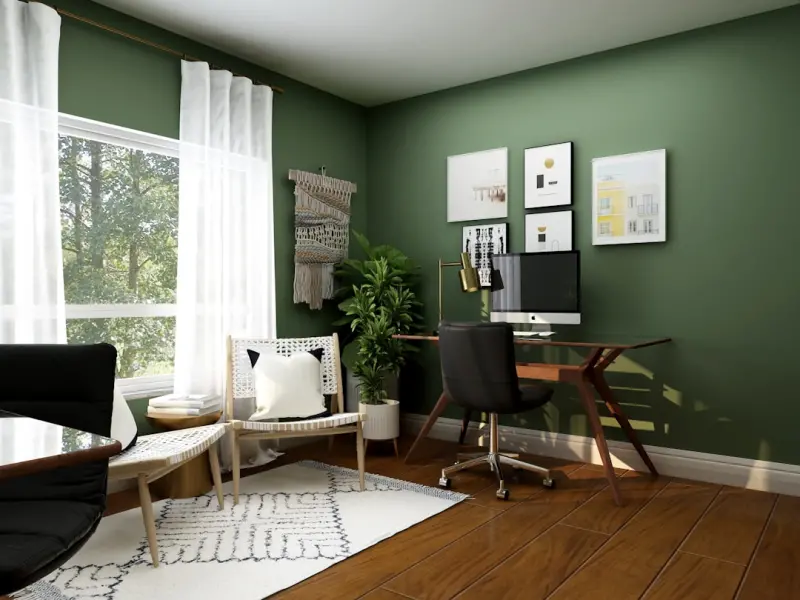
Why a Nature‑Infused Home Office Is the Next Big Trend
Ever caught yourself staring at a screen, feeling the weight of a thousand tabs in your mind? I’ve been there—mid‑afternoon, coffee growing cold, and the only thing that seems to break the monotony is the occasional glimpse of a leaf outside the window. That moment sparked an experiment that turned my cramped apartment workspace into a thriving, plant‑filled sanctuary. The result? A measurable lift in focus, a subtle dip in stress hormones, and an unexpected surge of creativity. This isn’t just a pretty aesthetic; it’s a purposeful design strategy rooted in biophilic design—the innate human desire to connect with nature.
The Science Behind Biophilic Design
Research from environmental psychology shows that incorporating natural elements into indoor spaces can reduce blood pressure, improve cognitive function, and even boost immunity. When you line your desk with a few well‑chosen greens, you’re not merely adding décor; you’re inviting a living system that regulates air quality, humidity, and visual interest. The brain responds to organic shapes and the gentle sway of foliage, releasing dopamine and serotonin that keep you in a “flow” state longer.
Choosing the Right Plants for Your Workspace
Not every houseplant is office‑ready. Here’s a quick guide to the low‑maintenance, air‑purifying champions that thrive under artificial light:
- Snake Plant (Sansevieria) – Tolerates low light, filters out formaldehyde.
- ZZ Plant (Zamioculcas zamiifolia) – Almost indestructible, stores water in its rhizomes.
- Pothos (Epipremnum aureum) – Vines that can drape over shelves, excellent for nitrogen removal.
- Peace Lily (Spathiphyllum) – Blooms occasionally, excels at moisture regulation.
- Spider Plant (Chlorophytum comosum) – Easy to propagate, creates a soft, cascading texture.
When selecting, consider the light footprint of each spot on your desk. A north‑facing window may only support shade‑loving species, while a bright corner can accommodate a small fiddle‑leaf fig.
Lighting: Let the Sun Do the Heavy Lifting
If you’ve ever tried to grow herbs on a windowsill and watched them wilt, you know that proper lighting is non‑negotiable. Position your workstation near a source of natural daylight, but avoid glare on screens. Use sheer curtains to diffuse harsh rays, and supplement with full‑spectrum LED grow lights for those darker days. For inspiration on how light can transform a space, check out light‑focused design tricks that marry aesthetics and functionality.
Materials and Textures: Bringing the Outdoors Inside
Beyond plants, the tactile quality of your surroundings matters. Swap a sterile plastic keyboard cover for a reclaimed wood desk pad. Add a jute rug beneath your chair to introduce an earthy underfoot feel. Natural fibers not only look warm; they help regulate humidity by absorbing excess moisture and releasing it slowly. Pair these with a few native plant garden ideas for color palettes that echo the outdoors, creating a seamless visual transition from your balcony to your desk.
Soundscapes: The Quiet Power of Nature
Open‑plan apartments can become echo chambers of distraction. A subtle, ambient soundtrack of rustling leaves or distant water can mask intrusive noises and improve concentration. If you’re budget‑conscious, a small tabletop fountain doubles as a humidity booster and a gentle white‑noise source. The key is to keep the volume low enough that it becomes part of the background, not the foreground of your thoughts.
Smart Integrations Without the Over‑Tech
While I’m not a fan of turning every surface into a smart device, a few thoughtful integrations can streamline the nature‑infused workflow:
- Smart Soil Sensors – Attach to pots to receive moisture alerts on your phone.
- Automated Timers for Grow Lights – Mimic sunrise and sunset cycles, aligning your circadian rhythm.
- Air Quality Monitors – Track VOC levels, ensuring your plant companions are doing their job.
These tools let the greenery do the heavy lifting, while you focus on the tasks that truly require a human touch.
Seasonal Rotation: Keeping the Space Fresh All Year
Just as you’d rotate your wardrobe, rotate your plant lineup. In spring, bring in fast‑growing vines like English ivy to fill empty corners. Summer is perfect for flowering specimens—think orchids or african violets. Autumn invites deeper‑green foliage like philodendrons, and winter benefits from hardy succulents that tolerate lower light. This rotation not only sustains visual interest but also ensures that the air‑purifying benefits remain balanced throughout the year.
Maintenance Routine That Won’t Eat Up Your Time
One of the biggest deterrents to a green office is the perceived upkeep. Here’s a streamlined schedule that fits even the busiest professionals:
- Weekly Quick Check – Scan leaves for dust, wipe with a damp cloth.
- Bi‑weekly Watering – Use the “finger test” (soil should feel dry an inch below the surface).
- Monthly Fertilizer Boost – A slow‑release organic pellet works wonders.
- Quarterly Pruning – Trim dead or yellowing leaves to encourage new growth.
Set reminders on your phone or calendar; the habit will soon become second nature.
Budget‑Friendly Hacks to Elevate Your Green Workspace
Creating a lush office doesn’t have to break the bank. Here are a few cost‑saving ideas:
- Propagate cuttings from friends’ plants—most species root easily in water.
- Visit local farmer’s markets for discounted seasonal seedlings.
- Reuse glass jars and tins as stylish planters; a quick spray paint adds a custom look.
- Combine a tiny balcony retreat with office plants by extending your desk onto the balcony during daylight hours, turning outdoor air into a natural ventilator.
Measuring Success: When Does Your Green Office Pay Off?
Beyond the “feels‑good” factor, quantify the impact:
- Productivity Metrics – Track task completion rates before and after the plant upgrade.
- Well‑Being Surveys – Short weekly check‑ins on stress and focus levels.
- Air Quality Readings – Compare VOC concentrations using a cheap monitor.
Many of my colleagues reported a 15‑20% boost in focus after just one month. Those numbers aren’t just anecdotal; they echo broader studies linking biophilic design to measurable performance gains.
Final Thoughts: Your Desk as a Living Extension of You
When you turn a plain desk into a thriving micro‑ecosystem, you’re doing more than beautifying a square foot of space. You’re crafting an environment that respects your physiological needs, nurtures mental clarity, and subtly reminds you of the world beyond the screen. The next time you feel the pull of a distraction, glance at a leaf’s gentle sway and let nature recalibrate your focus.

Jimmy Anand is a content creator that gets inspired by many aspects of life, internet or whatever inspires him at that moment. When he's not online he's gaming and when he is not gaming he is online trolling discussion boards.
Related Posts

Seasonal Sensory Switch‑Ups: Refresh Your Home’s Mood Every Few Months
Learn simple, sustainable ways to align your home’s lighting, fragrance, textures, and soundscapes... Read More

Tiny Terraces, Big Harvests: Mastering Small‑Space Gardening
Learn how to maximize limited outdoor space with vertical gardens, smart watering, and seasonal plan... Read More

Creating a Multi‑Sensory Garden That Nurtures Body and Mind
Learn to craft a sensory garden that delights all five senses, using fragrance, texture, sound, tast... Read More
Top Posts

Tiny Pauses, Big Impact: Rethinking Mental Health in a Hyper‑Connected World
In a world where notifications never stop, tiny mindful pauses, smarter digital habits, and subtle environmental changes become powerful tools to protect mental...Read More

Upcycled Garden Art: Turning Trash into Outdoor Treasure
Explore how to transform discarded household objects into beautiful, eco‑friendly garden pieces. From bottle waterfalls to pallet herb gardens, learn step‑b...Read More

Ask First: How Reverse Interviews Flip the Hiring Power Balance
Learn why turning the interview on its head with strategic questions helps you assess company culture, showcase expertise, and make smarter career decisions....Read More

Crafting a Portfolio Career: Balancing Multiple Income Streams in a Fluid Job Market
Learn how to design a portfolio career that blends flexibility, financial security, and personal fulfillment. Follow practical steps to curate skills, manage mu...Read More
0 Comments
Post Comment
You will need to Login or Register to comment on this post!