
Why a Sketchbook Becomes Your Best Travel Companion
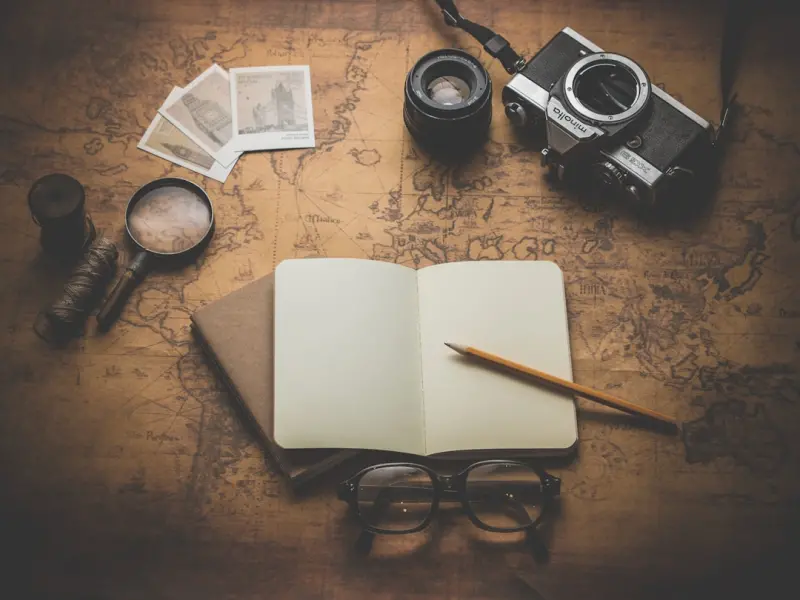
When you slip a well‑bound sketchbook into the side pocket of your backpack, you are inviting a tactile dialogue with every destination, allowing the rhythm of pen on paper to echo the cadence of footsteps and the whisper of distant markets, a practice that subtly reshapes the way you notice textures, colors, and fleeting moments that cameras often overlook; this analog ritual cultivates a heightened sense of presence, turning ordinary layovers into opportunities for mindful observation, and it empowers you to capture the soul of a place in a single, unhurried line. Travel journaling in this form is not about perfect artistry but about preserving the emotional fingerprint of an experience, a personal archive that grows richer with each page, reminding you that the journey is as much an internal expedition as it is a geographic one. For those who crave inspiration beyond the snapshot, consider reading train journeys that inspire creativity, where the steady motion of rails offers a moving canvas for spontaneous doodles and reflective thoughts.
Curating Visual Stories Without Digital Distraction
In an age where smartphones dominate our perception of place, opting for a physical journal creates a purposeful pause, a sanctuary where the urge to swipe is replaced by the deliberate act of sketching a bustling street vendor, the curve of an ancient arch, or the play of light on a mountain ridge, each stroke serving as a meditative anchor that steadies the mind amid the sensory overload of airports and tourist hotspots; this intentional slowdown not only sharpens your observational skills but also builds a narrative thread that connects disparate locales into a cohesive storybook of your wanderings. By embracing the imperfect lines and occasional smudges, you grant yourself permission to experience travel as a fluid, evolving dialogue rather than a checklist of must‑see sights, and you discover that the act of drawing itself becomes a portable meditation, fostering resilience against the fatigue that long itineraries can impose. If your palate craves a parallel sensory adventure, explore culinary trails that feed both body and imagination, intertwining taste with visual memory.
Choosing the Right Tools for Every Terrain
Selecting a sketching kit that adapts to deserts, rain‑soaked streets, or alpine villages involves balancing durability with portability, and many seasoned travelers swear by lightweight water‑color pencils, a compact fountain pen with quick‑dry ink, and a fold‑out sketch pad made from recycled fibers that can withstand humidity without warping, ensuring that even a sudden downpour does not halt your creative flow; these tools become extensions of your curiosity, allowing you to capture the delicate translucence of a sunrise over a fjord or the gritty texture of a stone‑laden alleyway with equal fidelity. Additionally, integrating a small set of colored markers or a pastel stick can inject bursts of hue into monochrome outlines, echoing the vivid palettes you encounter in bustling bazaars or serene coastal towns, while a tiny eraser and a ruler keep your compositions tidy without sacrificing spontaneity. For those who value sustainability, consider pairing your artistic gear with the principles outlined in eco‑friendly travel practices, creating a harmonious loop where mindful consumption supports both your creative output and the environments you explore.
Transforming Sketches into Shared Experiences
After days of wandering and filling pages with inked impressions, the true magic unfolds when you share your illustrated travel diary with fellow explorers, whether by hosting an intimate gathering at a local café, projecting pages onto a community board, or digitizing select sketches for a modest online gallery that invites comments and stories from strangers who recognize a familiar skyline, thereby turning solitary observation into a collaborative tapestry of human connection; this exchange not only validates your artistic effort but also sparks conversations that reveal hidden histories, local legends, or insider tips that no guidebook can provide, enriching future trips for both you and your audience. Moreover, the act of revisiting your sketches months later serves as a powerful reminder of personal growth, allowing you to trace how your perception of space and self‑identity evolved, and it often inspires new travel aspirations, as each drawing becomes a seed for the next adventure. By treating your sketchbook as a living document rather than a static souvenir, you cultivate a legacy of curiosity that continues to influence your wanderlust long after the plane lands and the passport is tucked away.
Integrating Sensory Details Beyond the Visual
While the pen captures shape and shade, true immersion demands that you also record the sounds, scents, and tactile sensations that define a place, and many travel diarists enrich their pages with brief annotations—such as the distant call of a market vendor, the lingering aroma of fresh pine in a mountain cabin, or the gritty feel of cobblestones underfoot—transforming a simple illustration into a multi‑dimensional snapshot that can transport you back to the exact moment you first felt the sea breeze on a cliffside; these layered details act as mnemonic anchors, ensuring that the memory remains vivid long after the colors have faded. To deepen this practice, experiment with attaching tiny pressed leaves, dried flower petals, or even a sliver of sand tucked into the margin, creating a tactile collage that engages the fingers as much as the eyes, and consider noting temperature changes or wind direction, subtle cues that often escape the hurried tourist’s notice yet profoundly shape the atmosphere of a locale. Such comprehensive documentation not only elevates the artistic value of your journal but also aligns with the broader trend of holistic travel storytelling, where every sense contributes to a richer, more authentic narrative.
Balancing Exploration with Restful Reflection
Even the most enthusiastic wanderer can fall prey to relentless itineraries, and a sketchbook offers a built-in sanctuary for restful reflection, inviting you to pause on a sun‑dappled bench, sip a steaming tea, and let your hand glide across the page as thoughts settle like sediment in a calm lake, a practice that restores mental clarity and counters the fatigue that accumulates from constant movement; this deliberate downtime becomes a strategic component of sustainable travel, ensuring that you remain present, energized, and receptive to the subtle wonders that often hide in quiet corners. By scheduling regular “drawing breaks” into your travel agenda, you create rhythmic intervals that balance adventure with introspection, fostering a healthier relationship with the road and preventing burnout, a principle echoed in modern wellness circles that champion mindfulness as essential to long‑term enjoyment. As you cultivate this habit, you’ll notice that each sketch not only records an external scene but also maps an internal journey, charting the evolution of your mindset as you traverse new horizons.
Preserving Your Journey for Future Generations
When the final page of your travel sketchbook is filled, the collection transforms into a treasured heirloom, a tangible chronicle that can be passed down to family members, displayed in a home gallery, or bound into a custom coffee‑table book that invites curious eyes to wander through your experiences, thereby extending the impact of your adventures far beyond the moment of creation; this physical artifact stands in stark contrast to fleeting digital galleries, offering durability, intimacy, and a sense of permanence that resonates with anyone who values storytelling rooted in personal touch. To enhance longevity, consider using archival‑grade paper and acid‑free sleeves, and store the finished journal in a climate‑controlled environment, preserving the vibrancy of colors and the integrity of pressed souvenirs for decades to come. Ultimately, by committing your wanderings to paper, you honor the timeless tradition of explorers who once chronicled their voyages by hand, ensuring that the spirit of discovery continues to inspire future travelers who seek authenticity over immediacy.

Karen Edwards is a seasoned freelance writer with a passion for all things furry, feathered, and scaled. With a dedicated focus on pets, she brings a wealth of knowledge and a keen eye for detail to her writing.
Related Posts

Turning Layovers Into Mini‑Adventures: A New Travel Playbook
Learn to transform ordinary layovers into intentional mini‑adventures that sharpen adaptability, d... Read More

Travel Light, Live Large: The Minimalist Packing Playbook
Discover a step‑by‑step minimalist packing strategy that frees you from heavy luggage, enhances ... Read More
Culinary Cartography: Charting Unseen Flavors on the Road
Journey beyond guidebooks with a flavor‑focused travel guide that blends tech, sustainable packing... Read More
Top Posts

AI as the Silent Strategist: Elevating Decision‑Making Beyond Automation
Generative AI is evolving from a tool to a silent strategist, offering contextual insights, scenario simulations, and bias detection that empower leaders to mak...Read More

Daylight & Digital Boundaries: A Fresh Prescription for Mental Wellness
Explore a practical, science‑backed approach to mental health that combines daylight exposure with digital boundaries, offering simple habits to improve mood,...Read More

AI as Your Personal Knowledge Curator: Turning Information Overload into Insightful Action
Learn why treating AI as a personal knowledge curator—not just a tool—helps teams cut through information overload, make better decisions, and unlock faster...Read More
Travel Minimalism: How to Pack Light and Experience More
Discover the art of travel minimalism with practical packing strategies, versatile gear tips, and real‑world stories that show how lighter luggage leads to ri...Read More
0 Comments
Post Comment
You will need to Login or Register to comment on this post!