

Why Breath is the Unsung Hero of Modern Health
When I first started coaching executives, the biggest thing I heard was, “I’m so busy I can’t even remember to eat.” The answer, surprisingly, wasn’t more time‑management tools—it was a deeper, quieter skill that most of us have been doing all our lives without thinking about: breathing. The way we inhale and exhale shapes our nervous system, hormone balance, and even our gut microbiome. In a world saturated with apps that track steps, calories, and heart‑rate variability, a simple, intentional breath can be the most powerful health hack you’re not using.
The Science Behind the Breath
Every breath you take triggers a cascade of physiological responses. The diaphragm, the primary breathing muscle, doesn’t just move air in and out; it massages internal organs, improves lymphatic flow, and creates a gentle pressure wave that helps flush toxins from the chest cavity. When you breathe shallowly from the chest, you activate the sympathetic “fight‑or‑flight” branch of your autonomic nervous system. Conversely, slow, diaphragmatic breathing engages the parasympathetic “rest‑and‑digest” branch, lowering cortisol, stabilizing blood sugar, and priming the body for recovery.
Researchers have shown that a handful of minutes of purposeful breathing can:
- Reduce perceived stress by up to 30%.
- Increase heart‑rate variability, a gold‑standard metric of resilience.
- Boost the activity of natural killer cells—your body’s frontline immune soldiers.
These findings aren’t just academic; they translate directly to everyday performance. Think about the last time you felt “on‑edge” before a big presentation. A quick box breathing (inhale 4 seconds, hold 4, exhale 4, hold 4) can calm that jitter without a single cup of coffee.
Four Breathwork Practices You Can Start Today
Below are the four breath techniques that have become staples in my personal routine and my client playbooks. Each is designed to address a specific health goal, whether that’s better sleep, stronger immunity, or sharper focus.
1. 4‑7‑8 “Sleep‑Inducing” Breath
Developed by Dr. Andrew Weil, this pattern is a favorite for winding down. Inhale quietly through the nose for a count of four, hold for seven, then exhale slowly through the mouth for eight. The extended exhale triggers the vagus nerve, coaxing the brain into a theta‑wave state that’s ideal for sleep architecture optimization.
Do it for two minutes before lights out, and you’ll notice a smoother transition into REM sleep, less nighttime tossing, and a more refreshed morning.
2. Box (Square) Breath for Focus
Box breathing is a favorite among Navy SEALs and CEOs alike. Inhale for four seconds, hold for four, exhale for four, hold for four, then repeat. The rhythmic symmetry stabilizes heart‑rate variability and sharpens attention. I use it in the middle of a long Zoom call to reset my mental bandwidth without reaching for a snack.
3. Alternate Nostril Breathing (Nadi Shodhana)
Rooted in yoga, this practice balances the brain’s hemispheres. Close the right nostril with the thumb, inhale through the left, then close the left nostril with the ring finger, release the right, and exhale through the right. Continue alternating for five minutes. The result is a calmer mind, reduced anxiety, and even a subtle boost to lung capacity.
4. Wim Hof “Cold‑Shock” Breath (Paired with cold water immersion)
While the Wim Hof Method is famous for its icy challenges, the breathing component alone is powerful. Perform 30 deep breaths—full inhale, relaxed exhale—followed by a breath hold after the final exhale until the urge to breathe returns. This technique spikes adrenaline in a controlled way, training your body to tolerate stress and enhancing immune response. If you pair it with a quick cold shower or a dip in a chilly pool, you’ll experience a synergistic boost to both circulation and immune vigilance.
Integrating Breathwork Into a Busy Day
One of the biggest objections I hear is, “I don’t have time.” The truth is, breathwork can be woven into existing habits—no extra “slot” needed.
- Morning Commute: While waiting for the train, practice the 4‑7‑8 breath. It turns idle waiting into a restorative mini‑session.
- Desk Breaks: Every hour, set a timer for a 60‑second box breath. You’ll reset posture, reduce eye strain, and lower cortisol spikes.
- Pre‑Meal Reset: Before each meal, take three deep diaphragmatic breaths. This primes digestion by activating the parasympathetic system.
- Evening Wind‑Down: Combine a short alternating nostril session with a dimmed environment to cue your brain for sleep architecture recalibration.
Breathwork’s Ripple Effect on Other Health Pillars
When you master breath, other health domains naturally improve:
Gut Health & Mood
The gut is often called the “second brain.” Stressful breathing patterns elevate cortisol, which can disrupt the gut barrier and alter the microbiome. By consistently engaging the parasympathetic response, you create a calmer internal environment that encourages the growth of beneficial bacteria, which in turn produces more serotonin—a key mood regulator.
Hormonal Balance
Intuitive breathing can modulate the hypothalamic‑pituitary‑adrenal (HPA) axis. Regular diaphragmatic breathing lowers baseline cortisol, stabilizes insulin sensitivity, and even supports thyroid function by reducing chronic inflammation.
Physical Performance
Athletes have long used breath control to enhance endurance. Slow exhalations improve oxygen‑carbon dioxide exchange, leading to better VO₂ max. In the office, the same principle translates to more sustained focus and fewer “brain fog” episodes.
Skin Health
When the body is in a relaxed state, blood flow to the skin improves, delivering nutrients and facilitating waste removal. This can result in clearer complexion and a natural glow—an added perk for those who spend hours behind a screen.
Common Pitfalls & How to Avoid Them
Even simple practices can go sideways if you’re not mindful. Here are the three most common missteps and quick fixes:
- Shallow Chest Breathing: If you feel light‑headed, you’re likely not engaging the diaphragm. Place one hand on your belly and one on your chest; the belly should rise more than the chest.
- Over‑Breathing (Hyperventilation): Too rapid breaths can cause tingling and anxiety. Slow the tempo, count each inhale and exhale, and aim for a rhythm of 4–6 breaths per minute.
- Forgetting Consistency: One intense session won’t offset years of shallow breathing. Build a habit—use phone reminders or tie breathing to existing cues (e.g., after brushing teeth).
Tech Tools That Complement, Not Replace, Breathwork
While I’m a firm believer in the analog nature of breathing, technology can help you stay accountable. Apps that provide gentle vibration reminders, or smartwatches that track respiration rate, can serve as nudges. Just remember: the goal is to make breath awareness a habit, not a data point.
Case Study: From Burnout to Balanced
One of my clients, Maya, a product leader at a fast‑growing SaaS startup, was experiencing chronic fatigue, poor sleep, and a gut upset that made her feel “wired but exhausted.” We introduced a three‑step breath protocol:
- Morning 4‑7‑8 (5 minutes).
- Hourly box breath (60 seconds).
- Evening alternate nostril (3 minutes).
Within three weeks, Maya reported:
- Improved sleep continuity (she moved from waking 4 times a night to 1).
- Reduced anxiety scores by 40% on a standard questionnaire.
- Fewer digestive complaints, which she later linked to a drop in coffee intake—a downstream effect of feeling less stressed.
This transformation underscores that breathwork isn’t a gimmick; it’s a foundational lever for systemic health.
Putting It All Together: Your 30‑Day Breath Blueprint
Ready to test the power of breath? Here’s a simple 30‑day plan. Mark each day on a calendar, and notice any shifts in energy, mood, or sleep.
| Day | Practice | Duration |
|---|---|---|
| 1‑7 | 4‑7‑8 before bed | 2 min |
| 8‑14 | Box breath hourly | 1 min |
| 15‑21 | Alternate nostril (morning) | 3 min |
| 22‑28 | Wim Hof breath + cold shower | 5 min + 30 sec cold |
| 29‑30 | Combine any two practices | as desired |
Track your observations in a simple journal: note energy levels, sleep quality, and any physical sensations. By the end of the month, you’ll have a data‑backed story of how breath reshapes your health.
Final Thoughts: The Breath is Your Superpower
We spend a fortune on gadgets, supplements, and premium wellness programs, yet the most potent tool lives inside us—literally. By committing to intentional breathwork, you’re not just managing stress; you’re reprogramming your nervous system, fortifying immunity, and creating a ripple effect that touches every facet of health.
Take a moment right now, close your eyes, inhale deeply through the nose for four counts, hold, then exhale slowly for six. Feel the subtle shift. That’s the beginning of a lifelong partnership with the most accessible health hack on the planet.

Steph Sanderson is a Toronto-based freelance writer and content creator with a clear passion: crafting compelling articles. With a dedication to clear, engaging prose and a knack for storytelling, Steph brings a wealth of experience to every project.
Related Posts

Forest Bathing: How Urban Dwellers Can Reconnect with Nature for Better Health
Explore the science and practical steps behind forest bathing, a nature‑based practice that helps ... Read More
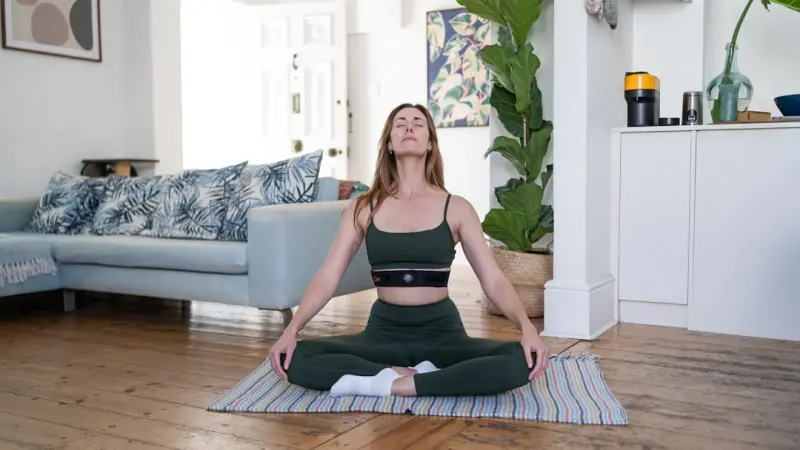
How Breathwork Can Reboot Your Health in a Screen‑Heavy World
A practical guide to integrating breathwork into daily routines, showing how a few mindful breaths c... Read More

Why Desk Movement Bursts Are the New Wellness Frontier
Short, intentional movement bursts at your desk can combat sedentary stress, improve focus, and elev... Read More
Top Posts

Quiet Corners: DIY Acoustic Hacks for a Calmer Home
Learn practical, low‑cost ways to improve your home’s sound environment—from soft surfaces and DIY panels to strategic furniture placement—creating quie...Read More

Beyond Automation: How Ambient AI Is Quietly Rewriting Our Workday
Ambient AI, the invisible layer of intelligence woven into everyday tools, subtly guides decisions, reduces cognitive load, and enhances productivity. This post...Read More

Scent‑Driven Garden Design: Crafting Aromatic Spaces for Home Wellness
Explore the art of designing a fragrant garden that nurtures mental health, supports pollinators, and brings natural perfume indoors, all while staying low‑ma...Read More
Fermented Skincare: Harnessing the Gut‑Skin Axis for Natural Radiance
Explore the gut‑skin connection and learn simple fermented food recipes, DIY toners, and micro‑goal strategies that turn everyday eating into a powerful per...Read More
0 Comments
Post Comment
You will need to Login or Register to comment on this post!