
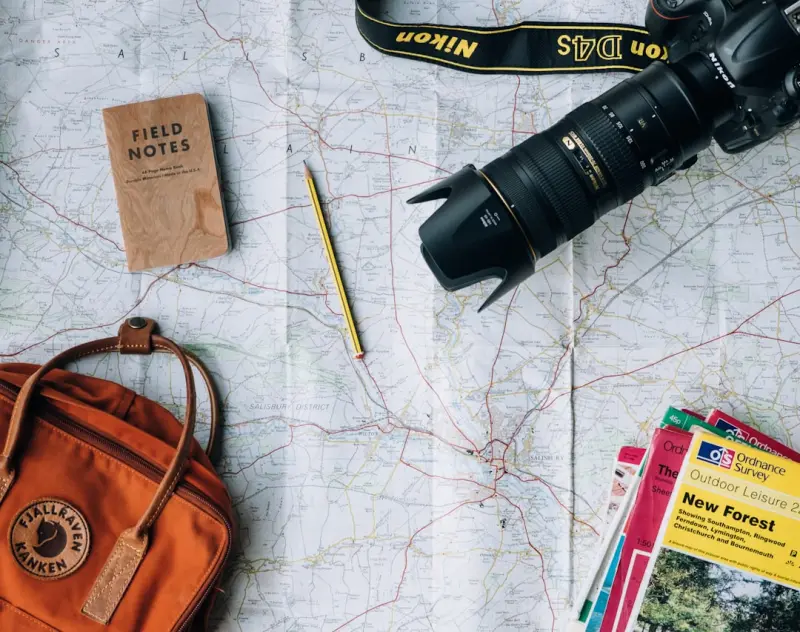
Why Travel Should Be a Classroom, Not Just a Vacation
When I booked my first solo trek through the Andes, I thought the itinerary would be a list of scenic peaks, Instagram‑ready sunsets, and a handful of hostel nights. What I didn’t anticipate was how each mile would become a lesson in adaptability, empathy, and even leadership. Travel, in its purest form, isn’t a break from learning—it’s an immersive, hands‑on syllabus that the world writes for us.
The Myth of “Relax‑Only” Trips
Every travel guide seems to promise a “relaxation‑focused” escape: lounge by the pool, sip a cocktail, scroll through curated playlists. That narrative sells a product, not an experience. It assumes we can compartmentalize growth and leisure, when in reality the most memorable journeys blur those lines. The real magic happens when you let the environment push you out of your comfort zone and into a state of purposeful curiosity.
From Tourist to Student: Shifting Your Mindset
Imagine arriving in a bustling market in Marrakech. Instead of snapping photos of the vibrant textiles, you ask the vendor about the history of the dyes, the supply chain that brings those fabrics to their stall, and the cultural significance of the patterns. You’re not just a consumer of scenery—you’re a participant in a living lesson.
This shift starts with three simple questions:
- What can I learn from the people here? Every community has a story that can broaden your perspective on work, relationships, and purpose.
- How does the environment shape daily life? From high‑altitude farming techniques to coastal fishing rituals, geography is a teacher.
- What skills am I practicing without realizing it? Navigation, negotiation, cross‑cultural communication—these are all transferable to the office.
Travel as a Skills‑First Playground
In the corporate world, Skills‑First Hiring is reshaping how teams are built. The same principle applies when you’re on the road. Rather than focusing on the destination’s “must‑see” list, prioritize the capabilities you want to sharpen.
For example, if you’re aiming to improve rapid problem‑solving, sign up for a local cooking class that uses unfamiliar ingredients. If public speaking feels like a hurdle, volunteer to lead a short cultural exchange session at a community center. Each activity becomes a live case study where you can measure growth in real time.
Micro‑Movements: The Secret to Jet‑Lag‑Proof Travel
While most travelers rely on caffeine or long naps to combat jet lag, I’ve adopted a practice borrowed from the health tech world: micro‑movements. These are brief, intentional stretches or posture resets you perform every 30 minutes—think ankle circles on a cramped flight, neck rolls during a layover, or a quick wall sit before boarding a train.
Why does this matter? Small bursts of movement keep blood circulating, reduce swelling, and reset your internal clock faster than a cup of coffee ever could. Moreover, they act as a mental anchor, reminding your brain that you’re still in control of your body, even when the time zones are fighting for dominance.
The AI Travel Companion: More Than a Booking Engine
We’ve all heard about AI curating itineraries based on price or popularity. What if you flipped the script and let AI become a silent mentor that nudges you toward experiences aligned with your growth goals? By feeding the algorithm your learning objectives—say, “improve cross‑cultural negotiation” or “experience sustainable tourism”—you’ll get suggestions for workshops, local NGOs, or community projects that match those criteria.
Think of it as a digital mentor that whispers, “Hey, there’s a farmer’s cooperative meeting tomorrow that could teach you about cooperative economics. Interested?” This approach transforms a generic vacation into a targeted development sprint, all while keeping the spontaneity that makes travel feel alive.
Designing a “Learning‑First” Itinerary
Creating a travel plan that feels like a semester abroad doesn’t require a university budget. Here’s a framework I use, refined over dozens of trips:
- Identify Core Themes. Choose two or three high‑level topics you want to explore—e.g., “urban resilience,” “indigenous art,” “food sovereignty.”
- Map Local Touchpoints. Research community centers, co‑working spaces, or cultural festivals that align with those themes. Websites like Meetup, Eventbrite, and local tourism boards are gold mines.
- Allocate “Learning Blocks.” Block out half‑day slots for deep‑dive activities (workshops, volunteer days) and keep the other half for organic exploration.
- Build a Reflection Routine. Each evening, spend 10‑15 minutes journaling about what you learned, the challenges you faced, and how you might apply those insights back home.
This method ensures you’re not just ticking boxes but actually integrating travel into your personal development roadmap.
Case Study: A Week in Kerala’s Eco‑Villages
Last spring, I spent seven days in a network of eco‑villages along Kerala’s backwaters. The itinerary was simple: two days of community gardening, three days assisting in a solar‑power installation, and two days exploring local cuisine under the guidance of a resident chef.
What emerged was a layered learning experience:
- Technical Skills. Assisting with solar panels gave me a hands‑on understanding of renewable energy logistics—a conversation starter in any boardroom.
- Collaborative Mindset. Working side‑by‑side with villagers who had no formal engineering background taught me the value of diverse problem‑solving approaches.
- Empathy in Action. Sharing meals prepared from locally sourced ingredients opened dialogues about food security and cultural identity.
By the end of the week, my “travel report” was less about the scenery and more about a portfolio of new competencies.
Travel Minimalism: Packing Light, Learning Heavy
Carrying a massive suitcase often feels like a metaphor for the mental baggage we bring on trips. I’ve embraced a minimalist packing philosophy that mirrors the learning‑first mindset: bring only the tools you need to engage, not just to observe.
Key items include:
- A small notebook or digital note‑taking app for real‑time observations.
- A portable charger to keep your AI mentor app humming.
- Versatile clothing that lets you transition from a workshop to a street market without a wardrobe overhaul.
- A reusable water bottle—because sustainability is a lesson you can practice on the go.
This approach reduces physical strain and frees up mental bandwidth for deeper engagement.
Measuring the ROI of Learning‑Centric Travel
In business, we love metrics. The same rigor can apply to personal development on the road. Here are three simple KPIs you can track:
- Skill Acquisition Rate. Count the number of new, tangible skills (e.g., “basic Arabic phrases,” “solar panel wiring basics”) you acquire per trip.
- Network Expansion Index. Tally the meaningful contacts you make—those you could realistically collaborate with or learn from back home.
- Reflection Depth Score. Rate your post‑travel journal entries on a scale of 1‑5 based on depth of insight, actionable takeaways, and emotional resonance.
When you review these numbers after a series of trips, you’ll see a clear trajectory of growth that transcends typical vacation satisfaction surveys.
Balancing Spontaneity with Structure
One of the biggest fears travelers have is that a “learning‑first” plan will make the trip feel rigid. The truth is, structure acts like a safety net, allowing you to take bold, spontaneous leaps without losing the overarching purpose.
For instance, if you’ve earmarked a morning for a cooking class but discover a local festival happening at the same time, you can decide on the spot to swap activities. The framework remains intact; the details flex.
Takeaway: Turn Every Trip Into a Masterclass
Travel doesn’t have to be a break from the grind; it can be an accelerated masterclass in the subjects you care about most. By aligning your itinerary with skill development, leveraging micro‑movements to stay physically and mentally sharp, and enlisting AI as a silent mentor, you transform vacation days into high‑impact learning sprints.
The next time you stare at a boarding pass, ask yourself: “What will I bring back besides souvenirs?” If the answer leans toward new capabilities, deeper empathy, or a broader network, you’ve just booked a trip that will pay dividends long after the flight lands.

Tyler Johnson is a seasoned freelance writer with a keen eye for detail and a passion for crafting compelling narratives. His years of experience have honed his ability to adapt his style to suit diverse client needs and project requirements.
Related Posts

Unplanned Paths: How Serendipity Transforms Travel
When you surrender the itinerary and follow unexpected cues, travel becomes a living story of surpri... Read More

Crossing Borders: Building a Purpose‑First Travel Playbook
Learn to design travel experiences that align with your values, build skills, and create lasting imp... Read More
Chasing the Unscripted: How Unplanned Detours Redefine Modern Travel
Exploring the hidden benefits of spontaneous travel, this article shows how unplanned detours boost ... Read More
Top Posts
Silent Sanctuaries: How Acoustic Zoning Transforms Your Home
Discover how to map, prioritize, and treat sound in each room, using DIY solutions and smart devices to craft acoustic zones that enhance focus, sleep, and rela...Read More
Smart Home Office Makeover: Boost Productivity Without Breaking the Bank
Discover budget‑friendly ways to upgrade your home office, from lighting and temperature hacks to ergonomic fixes and smart tech, to enhance productivity and ...Read More
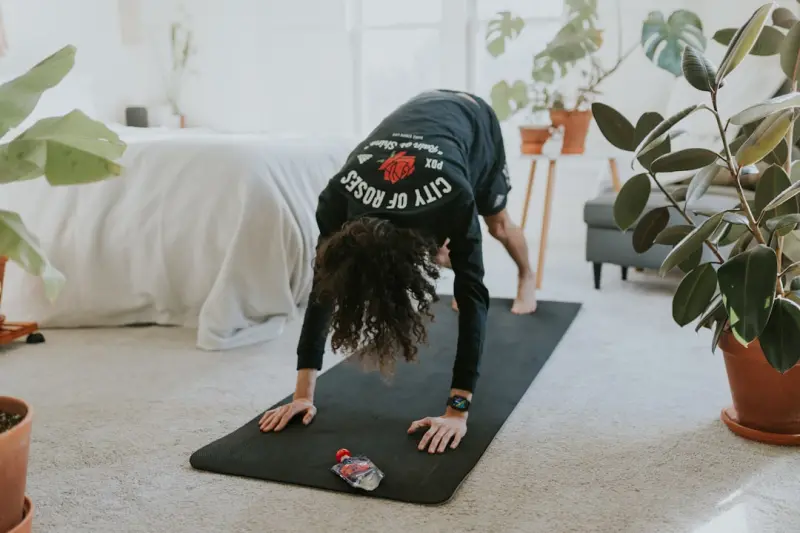
Turn Your Home Into a Personal Wellness Retreat
Learn step‑by‑step how to craft a personal wellness sanctuary at home, using light, scent, nature, and minimalist design to nurture body and mind....Read More

Colorful Minds: How Palette Choices Shape Workplace Well‑Being
A deep dive into how the hues surrounding us impact stress, focus, and morale, offering actionable design strategies that turn any office into a mental‑wellne...Read More
0 Comments
Post Comment
You will need to Login or Register to comment on this post!