
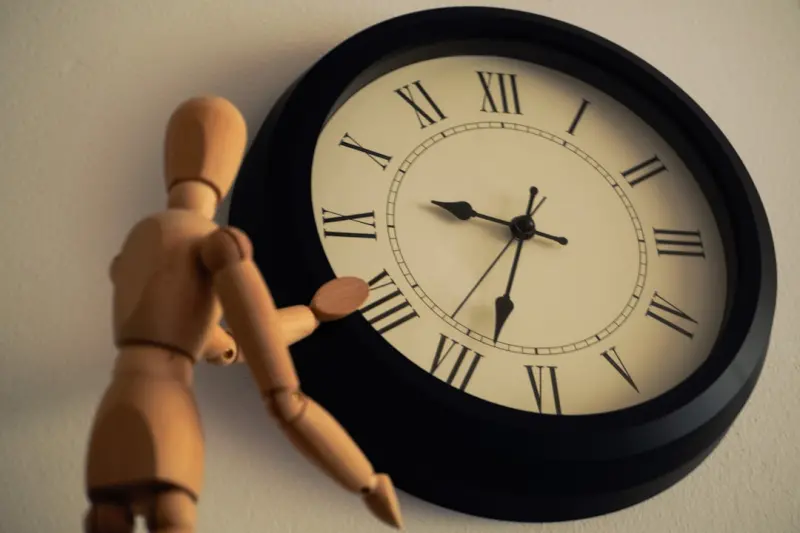
Why Your Internal Clock Deserves a Second Look
When I first started tracking my sleep, I thought I was just a night‑owl looking for an excuse to stay up late. It turned out I was living out of sync with the most powerful regulator in my body: the circadian rhythm. This 24‑hour internal clock governs everything from hormone release to metabolism, mood, and even the way our immune system responds to threats. In a world that glorifies hustle and constant connectivity, most of us are unintentionally sabotaging this delicate system. The result? Brain fog, cravings at odd hours, and a chronic feeling that something is “off.”
The Science Behind the Rhythm
At its core, the circadian clock is a network of genes and proteins that cycle every 24 hours, driven primarily by light exposure. The suprachiasmatic nucleus (SCN), a tiny cluster of neurons in the hypothalamus, receives direct input from retinal ganglion cells that detect blue‑light wavelengths. When morning sunlight hits these cells, the SCN tells the pineal gland to suppress melatonin, the hormone that makes us sleepy. As daylight wanes, melatonin production ramps up, signaling the body that it’s time to wind down.
But light isn’t the only cue. Meal timing, physical activity, temperature, and even social interactions can nudge the clock forward or backward. When these cues—called “zeitgebers”—are out of phase, the clock drifts, leading to a state scientists refer to as “circadian misalignment.” This misalignment has been linked to insulin resistance, increased inflammation, and higher risks for mood disorders.
What Happens When the Clock Goes Awry?
Think of your body as a symphony. When every instrument follows the same tempo, the music flows beautifully. When the percussionist decides to play a different beat, the whole piece feels disjointed. Similarly, a misaligned circadian rhythm creates a cascade of physiological discord:
- Sleep disturbances: Difficulty falling asleep, frequent night awakenings, and non‑restorative sleep.
- Metabolic chaos: Heightened cravings for sugary foods, weight gain, and impaired glucose tolerance.
- Mood swings: Increased irritability, anxiety, and susceptibility to depressive episodes.
- Reduced cognitive sharpness: Slower reaction times, diminished focus, and poorer memory consolidation.
- Weakened immune response: Higher frequency of colds and slower recovery from illness.
Re‑Engineering Your Day for Clock Harmony
The good news? You can deliberately “reset” your clock with a handful of low‑effort habits. Below is a step‑by‑step blueprint that blends cutting‑edge research with everyday practicality.
1. Capture the Dawn Light
Within the first 30‑45 minutes after waking, spend at least 10 minutes outdoors. Direct sunlight, even on a cloudy day, delivers enough blue light to activate the SCN. If stepping outside isn’t feasible, a light therapy box set to 10,000 lux can do the trick.
2. Tame the Evening Glow
Blue light from screens is a notorious circadian disruptor. Implement a “digital sunset” at least an hour before bedtime:
- Switch devices to “night mode” or use blue‑light‑filtering glasses.
- Replace screen time with low‑intensity activities like reading a paperback, gentle stretching, or journaling.
3. Anchor Meals to Your Clock
When you eat can be just as important as what you eat. Align your biggest meals with daylight hours—preferably before 7 p.m. Research suggests that a gut‑friendly diet paired with early dinner supports the body’s natural insulin rhythm, reducing late‑night glucose spikes.
4. Move with Purpose
Physical activity serves as a potent zeitgeber. Aim for moderate exercise in the morning or early afternoon. If you’re a night‑owl, a brief walk after dinner can still reinforce the clock without overstimulating the nervous system.
5. Optimize Your Sleep Environment
Temperature, sound, and darkness are silent influencers:
- Cool down: Keep the bedroom at 60‑67 °F (15‑19 °C). A slight dip in core temperature signals the body that it’s time to sleep.
- Block light: Blackout curtains or a sleep mask prevent stray photons from tricking the SCN.
- White noise or earplugs: Reducing auditory disruptions helps maintain deep‑sleep stages.
6. Add a “Cold‑Shock Reset” for Extra Resilience
While the primary focus of this article is light and timing, you might wonder how cold‑shock reset fits in. A brief, controlled exposure to cold—think a 2‑minute cold shower or a quick dip in chilly water—can boost norepinephrine, improve alertness, and even modestly shift circadian timing. Use it sparingly, preferably in the morning, to reinforce your wake‑up signal.
7. Harness Laughter as a Stress Antidote
Stress is a hidden clock‑breaker. Chronic cortisol spikes interfere with melatonin production and disrupt sleep architecture. Incorporating spontaneous humor or watching a funny clip before bed can lower stress hormones. For a deeper dive, see the insights on why laughter is the unexpected prescription for modern stress. Even a few genuine chuckles can act as a gentle “reset button” for your nervous system.
Putting It All Together: A Sample Day
Below is a realistic schedule that blends the above tactics. Feel free to tweak it to match your work hours or personal preferences.
- 06:30 am – Sunrise exposure: Step onto the balcony or walk briskly outdoors for 15 minutes.
- 07:00 am – Light movement: 20‑minute yoga flow or bodyweight circuit.
- 07:45 am – Protein‑rich breakfast: Eggs, avocado, and a side of fermented kefir (for gut‑brain support).
- 12:30 pm – Midday sun break: 10‑minute walk outside.
- 01:00 pm – Balanced lunch: Lean protein, leafy greens, and a small serving of whole grains.
- 05:30 pm – Light dinner: Grilled fish, roasted vegetables, and a side of kimchi (another fermented ally).
- 06:30 pm – Digital sunset: Turn off all screens, dim lights, and engage in a calming hobby.
- 07:30 pm – Cold‑shock reset (optional): 2‑minute cold splash to signal wakefulness, then a warm shower.
- 08:00 pm – Wind‑down ritual: Light reading, gratitude journaling, and a brief laugh‑inducing video.
- 09:30 pm – Lights out: Bedroom cool, dark, and quiet.
Measuring Success Without Obsessing Over Numbers
Tracking progress can be motivating, but it doesn’t have to become another source of stress. Here are three low‑key metrics you can monitor:
- Sleep latency: How many minutes it takes to fall asleep after lights out. Aim for under 20 minutes.
- Energy peaks: Note the times of day when you feel most alert. Over a few weeks, they should align more closely with daylight.
- Mood consistency: Keep a simple three‑point mood rating (low, moderate, high) each evening. A gradual shift toward “moderate” or “high” suggests better circadian alignment.
Common Pitfalls and How to Overcome Them
“I can’t get enough morning sunlight.” If you live in a high‑latitude region or have a schedule that limits outdoor time, invest in a quality light therapy box. Use it consistently for 20‑30 minutes upon waking.
“My job requires night shifts.” Shift workers face unique challenges. In those cases, use blackout curtains for daytime sleep, wear orange‑tinted glasses during night‑shift hours to reduce blue‑light exposure, and keep meals light and early before the shift starts.
“I’m too wired after evening screen time.” Gradually dim the brightness on your devices over a week. Pair screen time with a mindfulness app that guides you through a 5‑minute breathing exercise, helping signal the brain that it’s time to shift gears.
The Bottom Line: Your Clock Is a Superpower You Can Train
Our modern environment constantly pulls us in opposite directions—bright screens at midnight, caffeine at 4 p.m., and a 24‑hour news cycle that never sleeps. By intentionally shaping light, food, movement, and stress‑relief practices, you can coax your circadian rhythm back into its natural, restorative rhythm. The payoff is not just a few extra minutes of sleep; it’s sharper cognition, steadier mood, better metabolic health, and a resilient immune system.
Start with one change—maybe catching the sunrise tomorrow—and build from there. Your body will thank you, and you’ll soon notice that the days feel brighter, the nights feel deeper, and the whole experience of being alive feels, well, in sync.

Shawn DesRochers is a certified Microsoft technician and Programmer with 30+ year's experience. He has written many reviews on computer related products, software, and SEO related topics. When he's not writing reviews he can be found at one of the Oldest Directories Online Blogging Fusion Business Directory which he is the CEO of.
Related Posts

Sleep Architecture: Crafting Nighttime Rituals for Deep, Restorative Rest
Explore the hidden structure of sleep, learn practical steps to fine‑tune your bedroom environment... Read More

Breathing New Life into Remote Work: A Practical Guide to Breathwork for Health
Learn how intentional breathwork can transform remote‑work health, offering easy techniques, integ... Read More

Micro‑Movement Mastery: Tiny Actions, Big Health Gains
Learn practical micro‑movement routines you can integrate into any workday, combine them with ment... Read More
Top Posts

Why Employee Benefits Should Evolve Into Career‑Growth Communities
A fresh look at employee benefits: turning them into dynamic, community‑driven growth tools that align personal development with company success....Read More
The Art of Invisible Storage: Clever Ways to Hide Clutter in Every Room
Learn how to create a calm, clutter‑free home using invisible storage techniques. From pull‑out pantry panels to hidden bathroom cabinets, this guide shows ...Read More

AI Experimentation Labs: Fast‑Track Innovation Inside Your Company
AI experimentation labs turn data noise into actionable insight, enabling rapid, low‑cost testing of ideas across product, pricing, and customer experience, w...Read More

How to Grow a Backyard Micro‑Forest: A Hands‑On Blueprint
Discover a step‑by‑step guide to building a backyard micro‑forest that enhances biodiversity, offers fresh produce, and creates a tranquil outdoor retreat...Read More
0 Comments
Post Comment
You will need to Login or Register to comment on this post!