
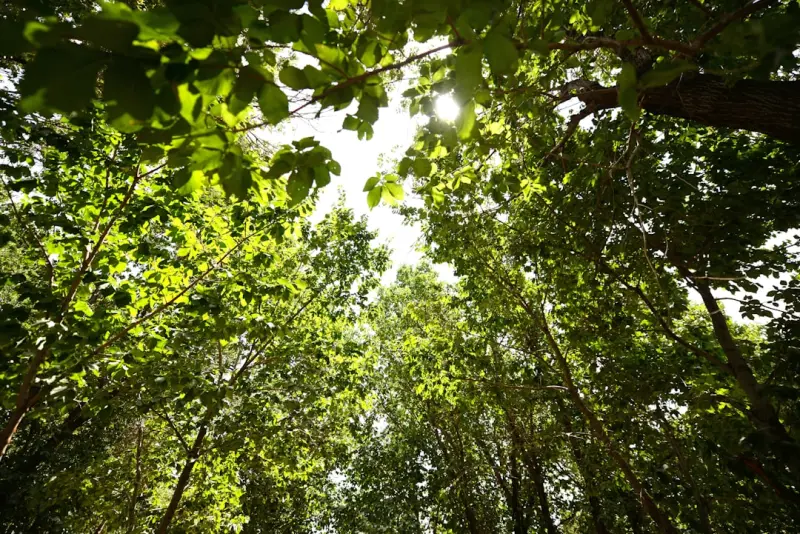
Finding Calm in Concrete: The Rise of Urban Forest Bathing
Living in a city can feel like stepping into a perpetual white noise station—honking horns, flickering screens, and the relentless buzz of notifications. Yet, nestled between glass towers and asphalt sidewalks are pockets of green that hold a surprisingly potent antidote to modern stress. The practice of forest bathing, or shinrin‑yoku, originated in Japan as a mindful immersion in nature, but today it’s spilling over into city parks, rooftop gardens, and even cleverly designed green corridors. In this post, I’ll explore how intentional, sensory‑rich encounters with urban foliage can reboot our nervous systems, sharpen focus, and boost immune health—without the need for a weekend retreat.
The Science Behind Green‑Induced Calm
When you stroll through a leafy boulevard, your body isn’t just enjoying a pleasant view; it’s undergoing a cascade of measurable physiological changes. Studies show that exposure to natural environments lowers cortisol levels, reduces heart rate, and increases the activity of the parasympathetic nervous system—the branch of the autonomic nervous system responsible for “rest‑and‑digest” functions. Even a brief 15‑minute walk among trees can elevate natural killer cell activity, a key component of the immune response. These findings are especially relevant for urban dwellers, whose daily routines often suppress these restorative processes.
From Forests to Facades: Translating the Concept to City Streets
While the classic image of forest bathing conjures remote woodlands, the core principle is simple: immerse yourself in a multisensory natural setting. In a city, this can mean:
- Meandering through a mature park with a diversity of trees, shrubs, and water features.
- Finding a quiet corner of a community garden where the scent of soil and herbs greets you.
- Pausing on a rooftop terrace lined with potted evergreens, listening to the distant rustle of leaves.
The key is intentionality. Instead of treating green spaces as a backdrop for a quick coffee, approach them as a therapeutic environment. Slow your pace, tune in to the sounds of wind through branches, notice the subtle shifts in temperature, and let your senses lead the way.
Designing Your Personal Urban Forest Bath
Creating a routine that leverages urban greenery doesn’t require a major lifestyle overhaul. Start by mapping out the green assets within a 15‑minute walk from your home or office. Use city GIS tools or simple Google Maps searches for “parks,” “greenways,” and “community gardens.” Once identified, schedule a regular “green appointment”—perhaps a 20‑minute walk after lunch or a sunrise stroll before the commute.
To deepen the experience, consider incorporating digital boundaries. Turn off notifications, leave your phone on airplane mode, or use a minimalist timer to remind you when the session ends. This separation from the digital sphere amplifies the calming impact of nature and reinforces the habit of unplugging.
Micro‑Movements Within Green Spaces: Amplifying the Benefits
Even small physical actions performed amid foliage can compound the health payoff. Think of gentle neck rolls while leaning against a tree trunk, mindful toe‑to‑heel walking on a soft grass path, or simple stretching poses that align your spine with the natural verticality of surrounding trees. These “micro‑movements” echo the philosophy of tiny moves but are uniquely framed within a nature context, creating a synergistic blend of physical activity and sensory immersion.
Boosting Mental Resilience Through Green Reflection
Beyond the physiological metrics, urban forest bathing is a powerful mental rehearsal space. The calming backdrop allows the brain to shift from a state of hyper‑vigilance to one of reflective calm. This transition is crucial for building resilience: when we regularly practice stepping out of the “fight‑or‑flight” loop, we train our nervous system to recover more swiftly from stressors.
Consider pairing the walk with a brief journaling exercise. Write down three observations—what you saw, heard, and felt. Over time, you’ll notice patterns in your mood and stress levels, providing valuable data for personal wellbeing tracking.
Community‑Driven Forest Bathing: Turning Green Spaces into Shared Healing Zones
One of the most exciting developments is the emergence of community‑led forest bathing groups. Neighborhood associations are organizing “green walks” that blend social connection with nature immersion. These gatherings create a sense of belonging while reinforcing the health benefits of collective exposure to greenery.
If you’re interested in starting a group, begin with a simple invitation to coworkers or neighbors. Choose a park with diverse flora, set a regular cadence (weekly or bi‑weekly), and keep the focus on mindful presence rather than conversation. Over time, participants often report heightened community cohesion and a shared sense of purpose.
Integrating Green Therapy Into Corporate Wellness Programs
Forward‑thinking companies are recognizing that a brief walk in the park can be more effective than a high‑tech meditation app. By designating “green breaks” and providing employees with maps to nearby natural spaces, organizations can reduce burnout, improve focus, and lower absenteeism. Some firms have even partnered with city planners to create pocket parks adjacent to office complexes, ensuring that employees have convenient access to restorative greenery.
When pitching this idea to leadership, frame it with concrete data: a 15‑minute forest bath can improve attention span by up to 20% and reduce perceived stress levels. These metrics translate directly into productivity gains, making a compelling business case for green‑centric wellness initiatives.
Technology Meets Nature: Wearables That Encourage Green Time
Wearable tech isn’t limited to step counters or heart‑rate monitors. Emerging devices now incorporate environmental sensors that detect air quality, ambient light, and even tree canopy density. By syncing these metrics with mobile apps, users receive nudges to step outside when the environment is optimal for restorative exposure.
Imagine a smartwatch that vibrates gently when you’ve logged 45 minutes of sedentary time, suggesting a “green reset” at the nearest park. This blend of data‑driven insight and nature immersion creates a feedback loop that makes healthy habits feel effortless.
Seasonal Strategies: Embracing the Changing Palette of Urban Green
Each season offers a distinct sensory palette that can enrich your forest bathing practice. In spring, focus on the burst of blossoms and the chorus of birds. Summer invites the cooling shade and the scent of damp earth after a rain shower. Autumn brings a visual feast of amber leaves and a crisp, invigorating breeze. Winter, while bare, offers stillness, the crunch of frosted grass, and the gentle glow of low‑sunlight filtering through evergreens.
Adapting your routine to seasonal cues not only keeps the practice fresh but also aligns your body’s circadian rhythms with the natural world, further supporting sleep quality and hormonal balance.
Measuring Your Progress: Simple Metrics for Green Wellness
To ensure you’re reaping the benefits, track a few key indicators:
- Heart Rate Variability (HRV): A higher HRV after green exposure signals improved autonomic balance.
- Stress Rating: Use a quick 1‑10 scale before and after each session.
- Mood Journal: Note any shifts in anxiety, optimism, or focus.
Over weeks, trends will emerge, reinforcing the habit and providing concrete evidence of the practice’s impact on your health.
Take the First Step: Your Urban Forest Bath Blueprint
Ready to integrate forest bathing into your urban routine? Here’s a quick starter guide:
- Identify a green spot: Find a park or garden within a 10‑minute walk.
- Set a schedule: Commit to a 15‑minute session three times a week.
- Unplug: Switch off notifications and leave devices in your pocket or bag.
- Engage senses: Notice colors, textures, sounds, and scents.
- Reflect: End with a brief journaling note or a mental gratitude list.
By treating each walk as a deliberate health investment, you’ll soon discover that the city’s green oases are not just decorative—they’re powerful, accessible tools for holistic wellness.

Miranda Murphy: Experienced freelance writer with a decade of storytelling expertise. Let's create something amazing together!
Related Posts

Harnessing Natural Light to Reset Your Body’s Clock and Boost Health
Learn practical ways to use sunrise, midday sun, and evening darkness to synchronize your circadian ... Read More

Personalized Nutrition: Decoding Your DNA for a Healthier You
Discover how genetic testing can transform your eating habits. Learn to interpret DNA reports, make ... Read More

Illuminating Health: How Intelligent Lighting Transforms Well‑Being at Home and Work
Explore the science behind circadian lighting and learn practical, tech‑savvy ways to use smart LE... Read More
Top Posts

Unlocking Growth: How Internal Talent Marketplaces Redefine Modern Employment
Internal talent marketplaces transform static job roles into fluid, project‑based opportunities, driving faster innovation, higher employee engagement, and lo...Read More

Creating a Multi‑Sensory Garden That Nurtures Body and Mind
Learn to craft a sensory garden that delights all five senses, using fragrance, texture, sound, taste, and light to turn any backyard into a healing sanctuary....Read More

Micro‑Zones: Tiny Home Transformations for Big Daily Wins
Learn to carve out micro‑zones—focused corners for work, cooking, relaxation, fitness, and creativity—that streamline daily life, improve productivity, an...Read More
Scented Garden Pathways: A Fragrant Walk Through Your Backyard
Discover how to design a scented garden pathway that delights the senses, attracts pollinators, and requires minimal upkeep, turning every walk into an aromatic...Read More
0 Comments
Post Comment
You will need to Login or Register to comment on this post!