
Why One‑Size‑Fits‑All Diets Are Losing Their Edge
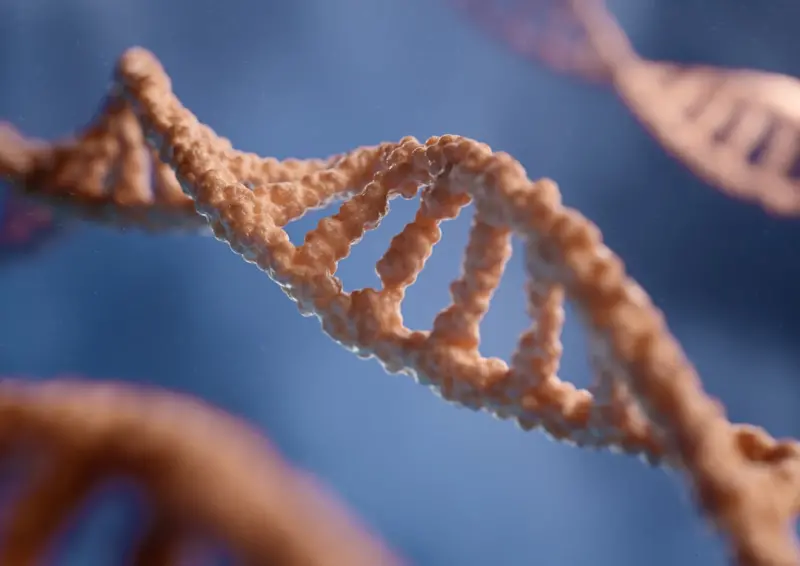
For decades the nutrition world has handed us broad, sweeping guidelines—eat more veggies, cut the sugar, watch the carbs. While those principles are sound, they ignore a critical variable: your unique genetic makeup. Two people can follow the exact same meal plan and experience dramatically different results. One might feel energized, while the other battles fatigue, bloating, or cravings. The reason lies in the tiny variations coded in our DNA, influencing everything from how we metabolize fats to how our gut microbiome responds to certain fibers. When nutrition finally embraces that individuality, it transforms from a generic checklist into a precision tool that can prevent disease, optimize performance, and sustain long‑term wellness.
The Science Behind DNA‑Based Nutrition
Genetic testing companies now offer consumer‑grade kits that analyze dozens of single‑nucleotide polymorphisms (SNPs). These SNPs act like switches, turning metabolic pathways up or down. For example:
- FTO gene variants are linked to increased appetite and a higher risk of obesity.
- MTHFR mutations can impair folate metabolism, affecting mood and cardiovascular health.
- LCT gene determines lactase persistence, dictating whether dairy is a friend or foe.
By mapping these markers, you gain a roadmap of where your body excels and where it may need extra support. The data isn’t a magic bullet, but it gives you a starting point for tailoring macronutrient ratios, micronutrient supplementation, and even meal timing.
From Data to Plate: Translating Genetics into Everyday Meals
The biggest hurdle for most people is moving from a lab report to a grocery list. Here’s a step‑by‑step framework to help you convert genetic insights into practical eating habits:
- Identify Your Core Metabolic Traits. Look for recurring themes in your report—do you have a predisposition toward slower fat oxidation? Are you sensitive to caffeine?
- Set Prioritized Goals. Decide whether your primary focus is weight management, mental clarity, or athletic performance.
- Adjust Macro Ratios. If your DNA indicates a preference for higher fat oxidation, experiment with a modestly higher fat‑to‑carb ratio.
- Choose Targeted Micronutrients. For a compromised MTHFR pathway, prioritize folate‑rich foods like leafy greens, lentils, and fortified grains.
- Iterate and Track. Use a simple journal or an app to record energy levels, digestion, and mood after each dietary tweak.
Real‑World Food Swaps Based on Common Gene Variants
Below are practical substitutions that align with frequently observed genetic patterns. Feel free to cherry‑pick the ones that match your own results.
- FTO‑related appetite spikes: Replace refined carbs with low‑glycemic, high‑fiber options such as quinoa, chia seeds, and berries.
- Lactose intolerance (LCT variant): Swap cow’s milk for fortified almond or oat milk, and experiment with lactase enzyme supplements when dairy is unavoidable.
- Slow caffeine metabolism (CYP1A2 variant): Limit coffee to one cup before noon, and explore herbal teas like rooibos for an afternoon boost.
- Elevated inflammation markers (IL6 or TNF‑α variants): Incorporate anti‑inflammatory foods—turmeric, wild‑caught salmon, and walnuts—into daily meals.
Integrating Lifestyle Hacks for Maximum Impact
Genetics set the stage, but lifestyle choices script the performance. Pairing a DNA‑driven diet with proven wellness practices creates a synergistic effect. For instance, simple breath techniques can calm the nervous system, allowing your gut to focus on nutrient absorption. Likewise, incorporating tiny movement rituals throughout the day supports metabolic flow, especially for those with a predisposition to sluggish calorie burning.
Beyond the Plate: Gut Microbiome and Genetic Interplay
Your DNA isn’t the sole architect of health; the trillions of microbes residing in your intestines play an equally pivotal role. Recent research shows that certain genetic variants influence the composition of the gut microbiome, which in turn affects how we process food. A practical way to nurture this partnership is by consuming a variety of prebiotic fibers (e.g., garlic, onions, asparagus) and probiotic foods (e.g., kefir, kimchi, kombucha). This dual approach can help mitigate genetic predispositions toward inflammation or insulin resistance.
Addressing Common Misconceptions About DNA Nutrition
There’s a lot of hype surrounding genetic testing, and it’s easy to fall into myths:
- Myth: One test gives a complete health picture. Reality: DNA is a piece of the puzzle; lifestyle, environment, and epigenetics fill in the rest.
- Myth: Results are deterministic. Reality: Genes indicate tendencies, not fate. You can often offset a risk factor with targeted habits.
- Myth: You need a nutritionist for every change. Reality: While professional guidance is valuable, many people successfully self‑experiment using the framework above.
How to Choose a Reliable DNA Testing Service
Not all kits are created equal. When evaluating providers, consider the following criteria:
- Scientific Validation: Look for peer‑reviewed studies supporting the test’s algorithms.
- Transparency: The company should explain which genes they analyze and why.
- Privacy: Ensure your data is encrypted and not sold to third parties without consent.
- Actionable Reporting: Reports should include clear, step‑by‑step recommendations—not just raw data.
Investing in a reputable service pays dividends in clarity and confidence as you embark on your personalized nutrition journey.
Putting It All Together: A Sample Day for a DNA‑Optimized Lifestyle
Below is a snapshot of how a day might look for someone with the following genetic highlights: a tendency toward slower carbohydrate metabolism (PPARG variant), reduced folate processing (MTHFR), and a moderate caffeine sensitivity (CYP1A2).
| Time | Meal / Activity | Why It Works |
|---|---|---|
| 07:00 | Warm lemon water + 5‑minute mindfulness breathing | Activates digestion, leverages breath reset to set a calm tone. |
| 08:30 | Spinach and avocado omelet with smoked salmon; green tea (no caffeine after 10 am) | High‑folate greens compensate for MTHFR; healthy fats support slower carb metabolism. |
| 10:30 | 10‑minute standing stretch + tiny movement ritual | Boosts circulation, aids glucose handling. |
| 12:30 | Quinoa bowl with roasted vegetables, chickpeas, and turmeric‑tahini dressing | Low‑glycemic carb, anti‑inflammatory turmeric aligns with inflammation‑linked genes. |
| 15:00 | Herbal rooibos tea; 15‑minute walk outside | Provides antioxidants, avoids caffeine spike. |
| 18:00 | Grilled mackerel, kimchi side, steamed broccoli | Omega‑3s support heart health; kimchi adds probiotics for gut‑gene synergy. |
| 20:30 | Light stretching + 5‑minute diaphragmatic breathing | Preps body for sleep; reinforces breath practice. |
| 22:00 | Lights dimmed, blue‑light filters on devices off | Improves melatonin production, complementing any circadian insights from other resources. |
Future Trends: From Gene Panels to Real‑Time Metabolic Feedback
We’re on the cusp of a new era where wearable biosensors will continuously monitor glucose, lactate, and even micronutrient levels, feeding that data back to AI‑driven nutrition platforms. Imagine a system that adjusts your macro ratios on the fly based on real‑time metabolic readouts—a true closed‑loop health ecosystem. While that future is still emerging, the groundwork you lay today with DNA‑informed eating positions you to adopt these technologies seamlessly when they become mainstream.
Take the First Step Today
Personalized nutrition isn’t a distant sci‑fi concept; it’s a practical, evidence‑backed strategy you can start implementing now. Begin by:
- Ordering a reputable DNA test.
- Reviewing your report with the framework above.
- Making one or two targeted dietary swaps each week.
- Tracking how you feel, and iterating based on data.
The journey from generic guidelines to a diet that truly resonates with your biology may feel like a marathon, but each small adjustment compounds into a healthier, more vibrant you.

Jimmy Anand is a content creator that gets inspired by many aspects of life, internet or whatever inspires him at that moment. When he's not online he's gaming and when he is not gaming he is online trolling discussion boards.
Related Posts

Why Breathwork Should Be Your Office Super‑Power
Learn why intentional breathing is the most accessible health tool for office professionals, backed ... Read More

How Breathwork Can Reboot Your Health in a Screen‑Heavy World
A practical guide to integrating breathwork into daily routines, showing how a few mindful breaths c... Read More

Why Urban Forest Bathing Is the Next Health Revolution
Discover the science and simple steps behind urban forest bathing, a practice that transforms city p... Read More
Top Posts

Why My Garden Desk Became the Heartbeat of Home Living
A garden desk turned my backyard into a vibrant hub, merging work, family, and nature. Learn the benefits, design tips, and how to start your own outdoor sanctu...Read More

Travel as a Living Museum: Curating Sensory Adventures on the Road
A fresh take on travel encourages explorers to treat each destination as a living museum, using a sensory map to capture sounds, tastes, textures, and aromas fo...Read More

Cultivating Curiosity: Turning Your Backyard into a Living Laboratory
Learn to treat your backyard like a living laboratory—track data, embrace sensory planting, and share knowledge for a thriving, curiosity‑driven garden expe...Read More

Cultivating Productivity: How Garden Desks Transform Home Life
A garden desk isn’t just furniture; it’s a lifestyle upgrade that merges work, wellness, and the outdoors into one inspiring home hub....Read More
0 Comments
Post Comment
You will need to Login or Register to comment on this post!