
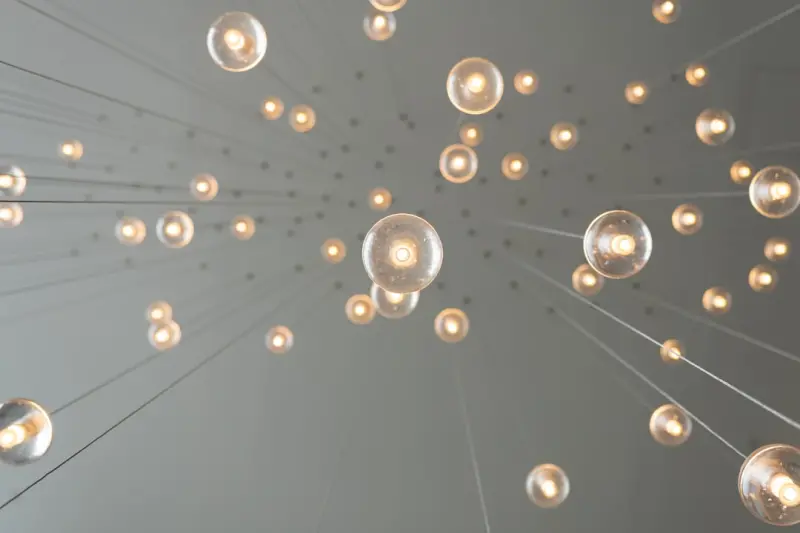
Illuminating Health: How Intelligent Lighting Transforms Well‑Being at Home and Work
When I first swapped my old fluorescent ceiling panel for a sleek, programmable LED strip, I expected only a boost in aesthetic appeal. What I didn’t anticipate was a subtle, yet profound shift in my daily rhythm—my mood lifted, my focus sharpened, and even my evening wind‑down felt more natural. This experience sparked a deeper curiosity: could light, something we often take for granted, be a silent architect of our health?
In the last decade, scientists have unraveled the intricate dance between light exposure and our biological clocks. The term circadian rhythm might sound like a buzzword, but it’s the very engine that regulates sleep, hormone release, metabolism, and even immune function. By aligning our indoor environments with these natural cycles, we can harness light as a therapeutic tool rather than a source of disruption.
Beyond Brightness: The Science Behind Light and Health
At its core, light is a spectrum of wavelengths, each interacting differently with the cells in our eyes and skin. Two key photoreceptors—rods (which detect brightness) and cones (which discern color)—feed visual information to the brain. But there’s a third player that’s often overlooked: intrinsically photosensitive retinal ganglion cells (ipRGCs). These specialized cells are exquisitely sensitive to blue‑rich light (around 460‑480 nm) and directly signal the suprachiasmatic nucleus, the master clock that orchestrates circadian rhythms.
- Morning light exposure—especially in the blue spectrum—suppresses melatonin, the hormone that makes us feel sleepy, and boosts cortisol, sharpening alertness.
- Afternoon light helps sustain concentration and supports cognitive performance.
- Evening light, particularly low‑intensity amber or red tones, encourages melatonin production, easing the transition to sleep.
When indoor lighting ignores these natural cues—think bright, cool‑white fluorescents at 10 p.m.—it can throw the clock out of sync, leading to what researchers call “social jetlag.” The consequences range from mild fatigue to chronic metabolic disorders.
Smart Lighting Solutions: From Novelty to Necessity
Today’s smart lighting ecosystems go far beyond simple on/off switches. Integrated with sensors, mobile apps, and AI algorithms, they can:
- Automatically adjust color temperature throughout the day.
- Sync with personal calendars to provide a gentle “sunrise” alarm before a scheduled meeting.
- Coordinate with other wellness devices—such as stress trackers—to create a holistic health dashboard.
For instance, a workspace might start the morning with a 5,000‑lux, cool‑white illumination that mimics sunrise, boosting alertness for a critical brainstorming session. After lunch, the lights shift to a neutral white, preserving focus without overstimulation. As the day winds down, they transition to a warm, low‑intensity amber glow, signaling the brain it’s time to unwind.
Practical Steps to Rewire Your Lighting for Health
Implementing intelligent lighting doesn’t require a full home renovation. Here are actionable steps you can take right now:
- Audit Your Current Lighting. Walk through each room with a smartphone light meter app. Note the intensity (measured in lux) and color temperature (Kelvin). Ideally, aim for 300–500 lux in workspaces and 100–200 lux in relaxation zones.
- Introduce Tunable LEDs. Replace static bulbs with tunable LED equivalents. Many models allow you to slide between 2,700 K (warm) and 6,500 K (cool) via a simple remote or app.
- Leverage Natural Light. Position desks near windows and use sheer curtains to diffuse harsh glare while preserving daylight’s beneficial spectrum.
- Integrate with Other Health Hacks. Pair lighting with air‑quality improvements—like plants or air purifiers—to create an environment where breath and sight work in harmony.
- Set Timed Routines. Use your smart home hub to schedule lighting changes that align with your sleep‑wake schedule. Even a 30‑minute dimming routine before bed can signal your body to prepare for rest.
Case Study: A Remote Team’s Productivity Leap
One tech startup, operating fully remote, decided to pilot intelligent lighting across its global workforce. Employees received a “light kit” containing a desk lamp with programmable color temperature and a mobile app synced to the company’s shared calendar.
After three months, the team reported:
- A 22% reduction in self‑reported fatigue during afternoon meetings.
- Improved focus scores in weekly performance assessments.
- Higher satisfaction with work‑life balance, attributing it to the gentle “sunset” lighting that helped delineate work from personal time.
The data corroborated existing research: aligning indoor light cues with circadian biology can boost both subjective well‑being and objective productivity.
Lighting and Mental Well‑Being: A Subtle but Powerful Connection
While our recent post on mental‑health superpowers explored curiosity as a resilience tool, light influences mood in a more physiological way. Seasonal Affective Disorder (SAD) is a prime example where insufficient daylight triggers depressive symptoms. Light therapy boxes—delivering 10,000 lux of bright, cool‑white light for 20–30 minutes each morning—have become a mainstream recommendation.
Smart lighting can emulate these therapeutic effects without the need for a separate device. By programming a high‑intensity, blue‑rich “morning boost” in rooms where you start your day, you can create a gentle, continuous form of light therapy.
Beyond the Office: Light’s Role in Sleep Hygiene
Many of us end our evenings scrolling on phones, exposing our eyes to blue light that suppresses melatonin. While blue‑light‑filtering apps help, the ambient environment often remains bright. Transitioning to low‑intensity amber lighting in the bedroom—using smart bulbs set to 2,700 K or lower—can dramatically improve sleep onset latency.
Research shows that a consistent “light wind‑down” routine can reduce the time it takes to fall asleep by up to 30%. Pair this with a cool‑down period where all screens are turned off, and you set the stage for deep, restorative sleep.
Integrating Light with Other Wellness Technologies
Our ecosystem of health gadgets is expanding. Imagine a scenario where your stress tracker detects elevated heart rate variability, prompting the smart lighting system to shift to a soothing hue and dim the intensity, creating an instant calming atmosphere. This kind of biofeedback loop blurs the line between passive environment and active health partner.
Similarly, coupling lighting with air‑quality sensors can trigger alerts—if CO₂ levels rise, the system could increase fresh‑air circulation while adjusting lighting to a brighter, more alerting tone, counteracting the lethargy that often follows poor ventilation.
Choosing the Right Products: What to Look For
When selecting smart lighting, keep these criteria in mind:
- Full Spectrum Tunability. The ability to adjust both intensity and color temperature across the entire daylight range.
- Integration Capability. Compatibility with major ecosystems (Apple HomeKit, Google Home, Amazon Alexa) and health platforms.
- Sensor‑Driven Automation. Built‑in ambient light sensors that adapt to external daylight conditions.
- Energy Efficiency. Look for ENERGY STAR certification to ensure low power consumption.
- User‑Friendly Interface. A straightforward app or voice control that doesn’t add complexity to your routine.
Potential Pitfalls and How to Avoid Them
While the benefits are compelling, it’s easy to fall into a “more is better” trap. Over‑automation can lead to a loss of personal agency, making you feel controlled by the very system meant to support you. Here’s how to strike a balance:
- Start Small. Implement changes in one room first, observe the impact, and adjust before scaling.
- Maintain Manual Override. Ensure you can switch off or manually adjust settings without navigating multiple menus.
- Avoid Excessive Blue Light at Night. Even with dimming, keep the color temperature warm after sunset.
- Regularly Review Data. Use the app’s analytics to track sleep, mood, and productivity trends, and refine lighting schedules accordingly.
The Future: Light as a Health‑Centric Service
Looking ahead, we can expect lighting to evolve from a hardware product to a subscription‑based health service. Companies are already experimenting with AI that predicts optimal lighting patterns based on personal biometrics—heart rate, skin temperature, and even emotional state captured via wearable sensors.
Such anticipatory lighting could pre‑emptively adjust the environment before you even feel the need, turning your home or office into a proactive health ally.
Takeaway: Light Up Your Well‑Being
From the moment we open our eyes in the morning to the last flicker before we fall asleep, light is an invisible thread weaving through every facet of our health. By consciously curating the spectrum and intensity of the illumination around us, we can align our bodies with natural rhythms, sharpen focus, elevate mood, and nurture deeper, more restorative sleep.
Whether you’re a remote worker seeking a productivity edge, a parent crafting a calming bedtime routine, or simply someone who enjoys a brighter, healthier living space, smart lighting offers a tangible, science‑backed pathway to better health. So, turn the lights down, warm them up, and let your environment become a silent partner in your well‑being journey.

Margaret Thomson is a seasoned freelance writer specializing in the dynamic worlds of marketing and advertising. With a career deeply rooted in the marketing field, Margaret brings a wealth of practical experience and insightful knowledge to her writing.
Related Posts

Illuminating Health: How Light Shapes Your Body and Mind
Light is a silent regulator of our hormones, mood, and sleep. This article unpacks the science of li... Read More

Playful Movement: The Secret Weapon for Modern Health and Productivity
Miranda Murphy shares a fresh take on health by reintroducing childhood play into adult routines, sh... Read More
Micro-Movements: The Tiny Exercise Revolution Redefining Daily Wellness
Micro‑movements, the practice of short, frequent activity bursts, can dramatically improve circula... Read More
Top Posts
Reprogramming Your Body Clock: Practical Hacks for Healthier Sleep in the Remote Age
Discover practical, science‑backed strategies to reset your body clock, from morning light exposure to meal timing and digital sunsets, and reap long‑term h...Read More

When AI Becomes Your Silent Partner: Rethinking Decision‑Making in B2B SaaS
Explore a fresh perspective on AI as a collaborative teammate that transforms raw data into actionable decisions, embeds intelligence into daily workflows, and ...Read More
AI as Your Personal Decision‑Partner: Turning Data Overload into Insight
Learn how to transform AI from a distant tool into a trusted decision‑partner that surfaces insights, boosts confidence, and streamlines daily workflows for p...Read More

Unlock Hidden Storage: 12 Clever Hacks for Small Spaces
Learn 12 innovative, low‑cost storage hacks that turn everyday furniture and walls into hidden compartments, helping you declutter and maximize space in any s...Read More
0 Comments
Post Comment
You will need to Login or Register to comment on this post!