

Why Light Matters More Than You Think
When we think about health, the conversation often drifts toward nutrition, exercise, or sleep, yet the invisible force of natural light silently orchestrates every physiological rhythm, from hormone secretion to cellular repair, acting as the master conductor of our internal orchestra; this silent conductor, known as the circadian system, interprets photons that strike the retina and translates them into biochemical cues that tell our bodies when to wake, eat, and even when to mend damaged DNA, a process so fundamental that disruptions can manifest as chronic inflammation, metabolic imbalance, or mood disorders, underscoring why light is not merely a backdrop but a primary nutrient for our biology. Moreover, scientific research increasingly reveals that exposure to appropriate wavelengths at the right times can sharpen cognitive performance, stabilize blood pressure, and enhance immune function, creating a cascade of benefits that extend far beyond the aesthetic pleasure of a sunny day; the ripple effect of aligning daily activities with natural light patterns can therefore be viewed as a low‑cost, high‑impact strategy that complements any wellness regimen, offering a non‑pharmacological lever to boost resilience in an increasingly stressful world. Understanding this profound connection invites us to rethink daily schedules, indoor environments, and even technology use, prompting a shift from passive illumination toward intentional light hygiene that respects the body’s evolutionary blueprint.
Morning Light: The Natural Alarm Clock
As dawn breaks, the surge of blue‑rich photons that flood our eyes serves as an evolutionary alarm clock, instantly suppressing melatonin production and triggering the release of cortisol, a hormone that not only jump‑starts alertness but also mobilizes energy stores, enabling the brain and muscles to transition smoothly from sleep to activity; by deliberately stepping outside within the first hour of sunrise or positioning a bright, full‑spectrum lamp near a breakfast nook, individuals can harness this natural surge to sharpen mental clarity, improve mood, and set a hormonal tone that supports metabolic efficiency throughout the day. This early light exposure also fine‑tunes the suprachiasmatic nucleus, the brain’s central time‑keeper, which synchronizes peripheral clocks in organs such as the liver and pancreas, ensuring that glucose processing and digestive enzymes operate at peak efficiency when food is consumed later, thereby reducing the risk of insulin spikes and weight gain. In practice, a simple ritual—like sipping coffee on a sun‑lit balcony while scanning the horizon—can transform a groggy start into a potent physiological upgrade, reinforcing the body’s expectation that daylight equals activity and nightfall signals rest.
Midday Sun: Fuel for Metabolism and Mood
Between 10 a.m. and 2 p.m., the sun emits its most intense spectrum, delivering not only vitamin D‑synthesizing ultraviolet B rays but also a balanced mix of wavelengths that stimulate nitric oxide release in the skin, a process that dilates blood vessels, lowers blood pressure, and improves circulation, thereby delivering oxygen and nutrients more efficiently to muscles and the brain; this physiological boost translates into heightened physical performance, sharper focus, and an uplifted emotional state, creating a natural antidote to the post‑lunch slump that plagues many office workers. Capitalizing on this window doesn’t require a full hour outdoors; even a brief 10‑minute walk on a sun‑lit path, or positioning a workstation near a window with unobstructed sky view, can infuse the body with the benefits of midday light, enhancing mitochondrial function and supporting the synthesis of serotonin, the neurotransmitter that underpins feelings of happiness and well‑being. By aligning lunch breaks, exercise sessions, or creative work with this luminous peak, we can turn sunlight into a metabolic catalyst, reinforcing the body’s innate rhythm and fostering a sense of vitality that persists well into the evening hours.
Evening Darkness: Preparing the Body for Restoration
As the sun dips below the horizon, the gradual decline in light intensity signals the pineal gland to ramp up melatonin production, a hormone that not only facilitates sleep onset but also orchestrates a suite of restorative processes, including DNA repair, immune modulation, and the consolidation of memory, making the quality of evening darkness a decisive factor in how well the body recovers from daily stressors; however, modern lifestyles—filled with artificial lighting, screens, and late‑night obligations—often blunt this signal, leading to fragmented sleep, hormonal imbalances, and heightened inflammation that can erode long‑term health. To counteract this, establishing a dimming routine that transitions from bright indoor lighting to warm, low‑intensity lamps at least an hour before bedtime can mimic the natural twilight, allowing the brain’s melatonin surge to proceed unhindered while also reducing exposure to blue wavelengths that suppress its release. Additionally, incorporating blackout curtains, removing electronic devices from the bedroom, and perhaps using a gentle aromatherapy diffuser can create a sanctuary of darkness that signals the body it is safe to enter deep, restorative sleep, ultimately supporting cellular regeneration, mood stability, and cognitive sharpness for the following day.
Tech Intersections: Managing Blue Light Without Becoming a Luddite
In a world where screens dominate work, leisure, and social connection, the challenge is not to abandon technology but to wield it wisely, especially given that blue‑light emissions from smartphones, tablets, and computer monitors can linger well into the night and sabotage the natural melatonin curve, a problem that many readers have already tackled through digital declutter strategies; the key lies in selective filtering—using built‑in night‑mode settings, blue‑light‑blocking glasses, or software that automatically shifts color temperature after sunset—while also scheduling technology‑free zones in the evening to preserve the integrity of the darkness signal. Moreover, pairing these digital safeguards with mindful habits, such as reading a physical book under a soft amber lamp or engaging in a brief meditation before sleep, can amplify the protective effect, ensuring that the brain receives a clear, unambiguous cue that it is time to wind down, thereby safeguarding the circadian rhythm without sacrificing the productivity and connectivity that modern devices provide. By treating technology as a tool rather than a master, we can maintain the benefits of digital innovation while honoring the body’s ancient need for darkness.
Practical Light Hacks for Every Lifestyle
Whether you’re a remote worker, a commuter, or a retiree, small, intentional adjustments to your environment can make natural light a consistent ally; for instance, placing a mirror opposite a window can bounce additional sunlight deeper into a room, creating a brighter space that supports alertness without the need for harsh artificial fixtures, while a strategically timed sunrise alarm clock can simulate early dawn for those who struggle to rise before the sun appears, easing the transition from sleep to wakefulness. In urban apartments where outdoor exposure is limited, investing in a light therapy box that delivers 10,000 lux of full‑spectrum light for 20‑30 minutes each morning can replicate the hormonal benefits of genuine sunrise, helping to reset the circadian clock and improve mood, especially during winter months when daylight is scarce. For fitness enthusiasts, scheduling workouts in sun‑lit areas or near large windows can boost performance by leveraging the natural boost in heart rate variability that daylight provides, while outdoor lunchtime walks can double as a metabolic primer and a mental reset, turning a routine break into a potent health enhancer.
Synergizing Light with Other Health Pillars
Light hygiene does not exist in isolation; when combined with complementary practices such as cold exposure and strategic rest, it can amplify overall resilience, a synergy highlighted by research that links morning sunlight with enhanced tolerance to cold water immersion, a practice many readers explore for its invigorating effects; the combined stimulus of bright light and a brief plunge triggers a surge of norepinephrine, sharpening focus and fortifying the immune system, an interplay you can explore further through our guide on cold water immersion. Additionally, aligning nap times with the body’s natural dip in alertness—typically in the early afternoon—while ensuring that the nap environment is dimly lit can prevent interference with nighttime melatonin production, creating a harmonious rhythm that supports both restorative sleep and daytime vigor. By viewing light exposure as the foundation upon which nutrition, movement, and recovery build, individuals can craft a holistic wellness architecture where each pillar reinforces the others, leading to sustainable health gains that are greater than the sum of their parts.
Measuring Success: Simple Metrics to Track Your Rhythm
To determine whether your light‑focused adjustments are delivering results, start by recording sleep onset latency, total sleep time, and morning alertness levels in a journal or a wearable device, noting any correlations with sunrise exposure or evening dimming routines; improvements such as falling asleep faster, experiencing deeper REM cycles, or waking feeling refreshed often signal that the circadian system is aligning more closely with natural light cues. Complement these subjective measures with objective markers like heart rate variability (HRV) taken each morning, as higher HRV frequently reflects better autonomic balance and recovery, both of which are enhanced by consistent light exposure. Finally, pay attention to mood fluctuations, energy levels, and digestive comfort throughout the day, as a well‑synchronized rhythm typically translates into steadier blood sugar, reduced irritability, and a more stable appetite, providing a comprehensive picture of how effectively light is supporting your overall health.
Conclusion: A Light‑Led Path to Sustainable Vitality
By re‑imagining light not merely as illumination but as a fundamental health nutrient, we unlock a simple yet profoundly powerful lever that can reshape sleep quality, metabolic health, emotional balance, and cognitive performance, all without expensive supplements or complex regimens; integrating sunrise exposure, midday sun breaks, evening dimming, and mindful technology use creates a rhythmic tapestry that honors the body’s evolutionary design while accommodating modern demands, offering a sustainable blueprint for thriving in any environment. As you experiment with the practical hacks and synergistic practices outlined above, remember that consistency is the secret ingredient—just as the sun rises each day, a steady commitment to light hygiene will gradually harmonize your internal clock, fostering a resilient, vibrant self ready to meet the challenges and joys of everyday life.

Seth Samual is a name that's quickly becoming synonymous with compelling and insightful writing. As a freelance writer, Seth has carved a niche for himself by delivering high-quality content across a diverse range of subjects.
Related Posts

Why Micro‑Posture Breaks Are the Unsung Heroes of Workplace Health
Micro‑posture breaks—brief, intentional stretches every 10‑15 minutes—reset circulation, red... Read More
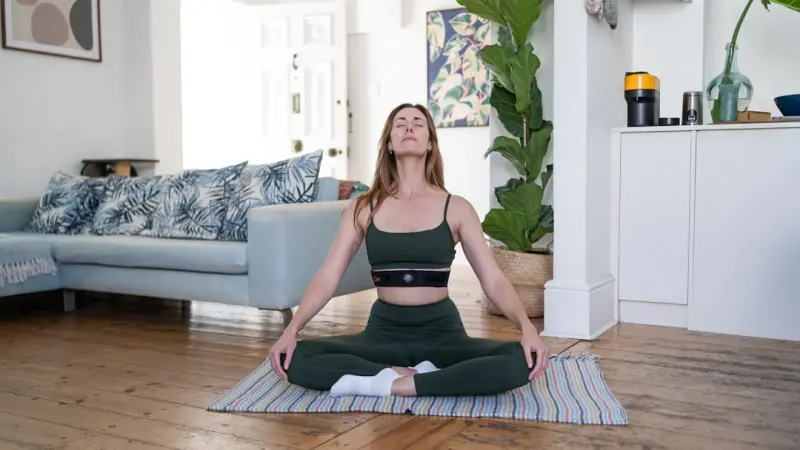
How Breathwork Can Reboot Your Health in a Screen‑Heavy World
A practical guide to integrating breathwork into daily routines, showing how a few mindful breaths c... Read More

Why Structured Breathwork Is the Secret Weapon for Modern Professionals
A deep dive into structured breathwork reveals how simple breathing patterns can dramatically improv... Read More
Top Posts

Unlocking the Hidden Potential of Everyday Spaces: A Homeowner’s Guide to Smart Organization
A fresh take on home organization, this guide reveals creative ways to repurpose overlooked spaces, streamline daily routines, and bring lasting order to your h...Read More

Peer‑to‑Peer Mentoring: The Secret Weapon for Career Growth
Peer‑to‑peer mentoring flips traditional learning on its head, creating a culture where every employee both teaches and learns, accelerating career growth a...Read More

Breathing Into Your Routine: Elevate Personal Care with Intentional Breathwork
Learn to integrate simple breathwork techniques into your daily personal care regimen, enhancing skin health, calming the nervous system, and turning routine ta...Read More

Movement Snacks: Tiny Exercise Bursts That Supercharge Health and Productivity
Movement Snacks turn brief, intentional exercise bursts into powerful health tools for busy professionals. Learn the science, design a personal snack schedule, ...Read More
0 Comments
Post Comment
You will need to Login or Register to comment on this post!