
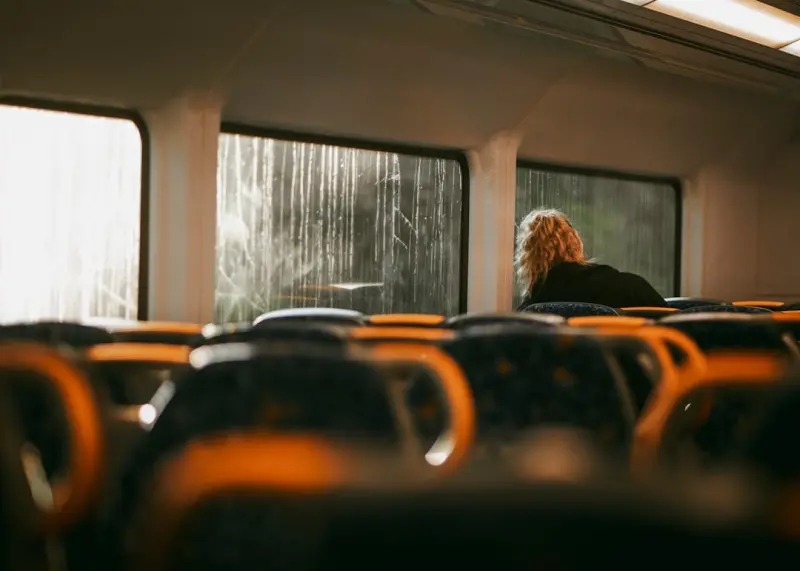
Why Trains Feel Like Time Machines
Ever since I first boarded a vintage sleeper on a mist‑kissed coastline, the rhythmic clatter of steel on rails has whispered to me that travel can be both motion and meditation, a paradox that modern planes rarely honor; the world blurs outside the window, yet each mile feels deliberate, as if the train itself is urging me to breathe in the journey rather than sprint toward a destination. In an age where speed is prized above all, I’ve discovered that the slower cadence of rail travel invites a deeper intimacy with geography, culture, and even my own thoughts, turning a simple commute into an unfolding narrative that reads like a novel written in real time. Over the next several sections, I’ll share how to craft micro‑adventures on rails, turn stations into cozy sanctuaries, and use a sketchbook to capture fleeting moments, all while keeping the experience sustainable and soul‑nourishing.
The Allure of the Iron Road
The moment the locomotive pulls out of the depot, a chorus of sounds—whistling brakes, the low hum of the engine, the occasional chatter of fellow travelers—creates a soundtrack that feels almost cinematic, and because the journey stretches across diverse landscapes, you can watch cities dissolve into rolling fields, mountains rise like ancient guardians, and rivers snake beneath bridges, all without the fatigue of constant road changes; this ever‑changing panorama becomes a moving gallery that feeds the eyes and steadies the mind. Moreover, the predictability of train schedules offers a rare sense of structure: you know when you’ll arrive, you can plan a coffee break at a historic town, and you can still improvise—there’s an elegant balance between control and spontaneity that trains uniquely provide. As a result, the rail experience feels less like a checklist and more like a story you co‑author, each stop a new chapter that invites reflection and curiosity.
Designing a Micro‑Rail Adventure
To begin a micro‑rail adventure, start by mapping a short corridor—perhaps a coastal line, a mountain pass, or a historic corridor—using tools like regional rail apps that highlight off‑peak fares, scenic routes, and hidden gems; the key is to pick a stretch that can be explored within a weekend, allowing you to dive deep without the pressure of a multi‑day itinerary. Once you’ve chosen your line, research “stop‑over” stations that offer day‑room rentals or quiet lounges, and consider purchasing a flexible pass that lets you hop on and off without committing to a single ticket, a tactic that not only saves money but also encourages serendipitous detours to local markets or festivals you might otherwise miss. Finally, pack light but thoughtfully: a compact journal, a reusable water bottle, and a pair of comfortable shoes become your essential companions, ensuring you stay agile and ready to capture the unexpected moments that trains so often deliver.
Station Stays: Turning Platforms into Home Bases
Stations are more than transit hubs; they’re micro‑cities brimming with character, from vaulted Victorian concourses to sleek modern terminals that host art installations, cafés, and boutique shops, and by embracing a “station stay” mindset, you can transform these spaces into temporary homes where the rhythm of arrivals and departures becomes a comforting backdrop rather than a source of anxiety. Many larger stations now offer day rooms, quiet pods, or even budget cabins that let you rest, read, or work amidst the gentle hum of commuters, providing a unique blend of privacy and community that hotel lobbies can’t replicate; the soft lighting and occasional announcement become a gentle lullaby that eases you into a restorative pause. By choosing stations strategically—those with green spaces, local eateries, or easy access to walking trails—you can curate a series of mini‑retreats that stitch together a broader adventure while keeping your carbon footprint low and your sense of wonder high.
Connecting with Locals Between Stops
One of the most rewarding aspects of rail travel is the organic opportunities to chat with locals who are also waiting, boarding, or disembarking; a shared table at a station café, a spontaneous invitation to a nearby street festival, or a simple exchange over a regional snack can open doors to stories that guide you to hidden courtyards, family‑run bakeries, or quiet museums that rarely appear in guidebooks. To foster these connections, learn a few key phrases in the local language, carry a small notebook to jot down names or recommendations, and adopt a curious, open‑hearted posture—people often respond positively when they sense genuine interest, and a brief conversation can evolve into an invitation to join a community event or explore a lesser‑known neighborhood. These impromptu interactions enrich the travel narrative, turning a solitary journey into a tapestry woven with the threads of diverse lives, cultures, and perspectives.
Sketchbook Journeys: Capturing the Unseen
While photos freeze moments in pixels, a sketchbook captures the essence of a scene through line, shading, and personal interpretation, allowing you to translate the fleeting glint of sunrise over a river or the intricate architecture of a station into a lasting, tactile memory that you can revisit long after the journey ends; I always keep a compact water‑proof journal, a set of fine‑point pens, and a palette of charcoal sticks, ready to pause on a balcony or a quiet carriage compartment to render what the eye sees and the heart feels. By dedicating a few minutes each day to sketch, you train yourself to observe details you might otherwise overlook—a weathered ticket stub, the pattern of rain on the windowpane, or the way light dances across a train’s steel body—and these sketches become a personalized map that tells a richer story than any itinerary ever could. For those who love culinary exploration, pairing your visual notes with brief annotations about local dishes can also inspire future food‑focused itineraries, linking back to the idea of food‑focused itineraries that celebrate both sight and taste.
Eco‑Friendly Footprints on the Rails
Traveling by train already reduces emissions compared to car or air travel, but you can amplify that benefit by adopting simple yet effective eco‑friendly travel hacks such as bringing a refillable bottle, using biodegradable utensils for onboard meals, and choosing accommodations that prioritize renewable energy; many train operators now offer discounts for travelers who present digital tickets, reducing paper waste while streamlining the boarding process. Additionally, consider offsetting any remaining carbon impact through reputable programs that fund reforestation or clean‑energy projects, and support local economies by purchasing souvenirs directly from artisans rather than mass‑produced items, ensuring that your journey leaves a positive imprint on both the environment and the communities you visit. By weaving sustainability into each decision—from route planning to snack choices—you transform a simple ride into a conscious act of stewardship, aligning your wanderlust with the planet’s well‑being.
Integrating Purpose into the Rail Experience
Beyond the scenic vistas and comfortable seats, rail travel offers a platform to embed deeper meaning into your adventures, whether you’re volunteering at a community garden in a stop‑over town, attending a workshop on regional crafts, or simply using the journey as a time for personal reflection and goal setting; these purposeful touches turn a vacation into a catalyst for growth, echoing the sentiment of meaningful travel experiences that resonate long after you’ve returned home. By aligning your itinerary with personal values—such as supporting local economies, learning new skills, or contributing to environmental projects—you create a travel narrative that feels both fulfilling and authentic, a reminder that exploration can be an act of giving as much as receiving. This intentional approach also encourages you to document insights in your sketchbook or journal, weaving together visual art, notes, and reflections into a holistic record of a journey that nourishes both the body and the soul.
Closing the Loop: Your Next Rail Invitation
In the end, the magic of train travel lies not just in the destinations, but in the rhythmic passage between them, a space where curiosity, creativity, and conscience intersect, inviting you to slow down, look outward, and turn inward all at once; I hope the tips, stories, and resources shared here inspire you to hop aboard a nearby line, pack a sketchbook, and let the rails guide you toward unforgettable moments that linger long after the final station whistle blows. Remember, each ticket is an invitation to explore—whether it’s a short hop to a neighboring town or a cross‑country odyssey—and with a mindful approach, you can transform ordinary rides into extraordinary chapters of your personal travel anthology. So next time you hear the distant rumble of a train, consider it a friendly nudge toward adventure, and let the journey begin.

Miranda Murphy: Experienced freelance writer with a decade of storytelling expertise. Let's create something amazing together!
Related Posts

Travel With Purpose: Turning Trips Into Positive Impact
Travel is evolving from sightseeing to purpose‑driven experiences. Learn how to design trips that ... Read More

Why Train Journeys Are the New Adventure Frontier
Trains aren’t just a way to get from point A to point B; they’re moving laboratories for cre... Read More

Microadventures: Small Escapes, Big Transformations
Microadventures let you explore nearby wonders in short, intentional bursts—boosting creativity, w... Read More
Top Posts

Elevate Your Yard: The Ultimate Guide to Vertical Gardening
Turn blank walls and fences into productive, beautiful vertical gardens with our step‑by‑step guide, covering plant choices, DIY structures, irrigation, and...Read More

Why Structured Day‑Offs Are the Secret Weapon for Modern Professionals
A deep dive into how deliberately scheduled rest days can rejuvenate energy, spark creativity, and boost productivity, with actionable steps for individuals and...Read More

Recharging Your Body’s Bio‑Circuit: Light, Motion, and Sound for Everyday Resilience
Discover a practical framework that blends daylight exposure, micro‑movement habits, and soothing soundscapes to enhance cellular vitality, improve sleep, and...Read More

Curiosity Rituals: A Fresh Tool for Mental Clarity
A practical guide to using curiosity rituals as a simple, daily practice that shifts mental stress into insight, blending seamlessly with existing mental‑heal...Read More
0 Comments
Post Comment
You will need to Login or Register to comment on this post!