
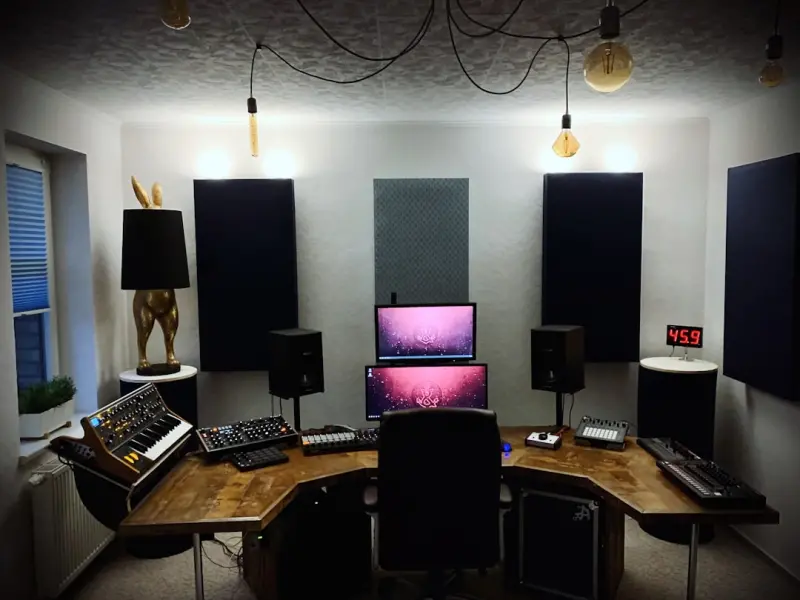
Why Acoustic Comfort Matters More Than You Think
We hear the term “home office” tossed around like a buzzword, but most of us focus on the desk, the chair, and the lighting. What we often overlook is the soundscape that surrounds us. Even the most ergonomic setup can crumble under a barrage of background noise—traffic, a buzzing refrigerator, the neighbor’s late‑night TV marathon, or the echo of your own footsteps in a hard‑floored room. The difference between a space that fuels creativity and one that saps it can be as subtle as a soft rug or as strategic as a DIY acoustic panel.
Understanding the Basics of Home Acoustics
Before diving into the “how,” let’s unpack the “why.” Sound travels in waves, bouncing off hard surfaces and getting absorbed by soft ones. In a typical living room or bedroom, the ratio of reflective to absorptive surfaces is heavily skewed toward reflection. This leads to:
- Reverberation—the lingering echo that makes it hard to concentrate.
- Sound masking—unwanted noises blend together, creating a murky auditory background.
- Acoustic fatigue—your brain works harder to filter out distractions, increasing mental fatigue.
By rebalancing this equation, you can create quiet zones that naturally support focus, calm, and even better sleep.
Step‑by‑Step Acoustic Makeover (No Contractor Needed)
Below is a practical, budget‑friendly roadmap that anyone can follow, whether you live in a studio apartment or a sprawling house.
1. Conduct a Quick Sound Audit
Spend a weekday afternoon walking through each room with a smartphone recorder. Play back the clips and note:
- Where the loudest external sounds penetrate (windows, doors).
- Which rooms have the most “hard” surfaces (bare walls, tile floors).
- Any echo hotspots—usually corners or large open spaces.
Mark these spots on a simple floor plan; they’ll become your priority targets.
2. Soft‑Surface Swap
The easiest win is to introduce soft, porous materials. Here’s a quick checklist:
- Rugs and runners: A 5 × 7 ft rug under your desk can cut floor reflections by up to 30 %.
- Curtains: Heavy, woven curtains (think linen or blackout) block both light and sound from outside.
- Upholstered furniture: Swap a hard‑backed chair for a padded one, or add a throw blanket to a wooden chair.
Even a modest investment—one well‑placed rug and a set of curtains—can dramatically lower ambient noise.
3. DIY Acoustic Panels
If you’re handy, you can craft your own panels for under $20 each:
- Purchase a 10 × 10 in. acoustic foam sheet or repurpose dense moving‑blanket material.
- Attach the foam to a thin wooden frame using spray adhesive.
- Hang the panel on the wall at ear level, especially opposite your primary listening position.
For a decorative twist, cover the foam with fabric that matches your décor. The panels not only dampen echo but also become a visual focal point.
4. Seal the Gaps
Sound loves to sneak through the smallest cracks. Seal window gaps with weatherstripping, and add draft stoppers to doors. A quick foam tape strip can block up to 80 % of external noise infiltration.
5. Add Natural Sound Absorbers
Plants aren’t just for aesthetics; their leaves and soil act as natural sound dampeners. Consider a cluster of large‑leafed houseplants—such as monstera, rubber plant, or peace lily—near windows or on shelving. They’ll absorb mid‑range frequencies while improving indoor air quality.
6. Create a “White Noise” Buffer
When outside noise is unavoidable, a gentle white‑noise machine or a fan can mask disruptive sounds. Choose devices that emit a low‑frequency hum, which your brain interprets as a constant, non‑intrusive backdrop.
7. Optimize Your Layout
Position your work zone away from high‑traffic areas. If you live on a busy street, face your desk toward an interior wall rather than the window. This reduces direct sound exposure and helps you stay in control of your auditory environment.
Beyond the Basics: Integrating Tech Wisely
While the focus of this guide is low‑tech solutions, a few smart devices can enhance acoustic comfort without dominating the space:
- Smart plugs for scheduling fans or white‑noise machines to run only when needed.
- AI‑driven ambient sound apps that analyze ambient noise levels and suggest optimal volume settings for your white‑noise generator.
- Voice‑controlled lighting to dim lights without breaking your concentration—less visual strain means you’re less likely to tune out the acoustic improvements you’ve made.
These tools complement, rather than replace, the foundational changes you’ve already implemented.
Measuring Success: How to Know It’s Working
After the upgrades, run another quick sound audit. Compare decibel readings from before and after (you can use free smartphone apps). You’ll likely see a reduction of 5‑10 dB—a noticeable improvement. More importantly, pay attention to how you feel:
- Do you finish tasks faster?
- Is your mind less likely to wander?
- Do you feel a subtle sense of calm when you walk into the room?
If the answer is “yes,” congratulations—you’ve turned a noisy backdrop into a supportive acoustic environment.
Real‑World Inspiration: From My Apartment to a Home Office
When I first tried these tricks in my own apartment, I was skeptical. My tiny studio faced a bustling street, and I thought I’d need a full‑scale soundproofing renovation. Instead, I started with a thick rug and a set of blackout curtains. The next week, I added two DIY panels in the corner opposite my desk and placed a large fiddle‑leaf fig plant near the window. The transformation was immediate—my video calls no longer sounded like they were happening on a highway, and my focus during writing sessions sharpened.
If you’re looking for more inspiration, check out forest bathing for focus. While it’s a nature‑based practice, the underlying principle is the same: curate your environment to support mental clarity.
Maintaining Your Acoustic Oasis
Acoustic upgrades, like any home improvement, require occasional upkeep:
- Rugs and curtains: Vacuum regularly to keep dust from muffling the absorption qualities.
- Plants: Prune and water them to maintain leaf density.
- DIY panels: Dust off fabric covers and check adhesive bonds.
With a little attention, your quiet zone will stay effective for years.
Final Thoughts: The Quiet Advantage
In a world that constantly clamors for our attention, carving out an acoustically soothing space is a form of self‑advocacy. It’s not about isolating yourself; it’s about giving your brain the auditory bandwidth it needs to operate at its best. By implementing these simple, cost‑effective strategies, you’ll notice a ripple effect: better focus, reduced stress, and a home that feels more like a sanctuary for the senses—not just the eyes.
Ready to start your acoustic makeover? Begin with a single rug, a set of curtains, or a handful of plants, and let the quiet transformation unfold.

Laura Wilson is a freelance writer specializing in the dynamic and ever-evolving field of health. With a passion for translating complex medical information into accessible and engaging content, Laura brings a wealth of knowledge and a fresh perspective to topics ranging from preventative care and nutrition to cutting-edge research and innovative treatments.
Related Posts

Illuminating Your Home: How Ambient Lighting Transforms Everyday Living
A deep dive into using layered ambient lighting, smart bulbs, and air‑purifying plants to create a... Read More

The Secret Power of Ambient Light: Turning Your Home Into a Wellness Engine
Learn practical, budget‑friendly strategies to map light zones, choose smart fixtures, and integra... Read More

Embracing Natural Materials: A Low‑Tech Path to a Healthier Home
Explore low‑tech strategies for using natural wood, stone, and textiles to boost comfort, air qual... Read More
Top Posts

Learning Pods: The Secret Weapon for Hybrid Teams
Learning pods—a small, peer‑driven group model—are reshaping hybrid work by fast‑tracking upskilling, breaking down silos, and boosting employee retenti...Read More

How Sunlight, Breath, and Community Walks Can Rewire Your Health
Explore the powerful trio of sunlight exposure, breathwork, and community walking as simple, science‑backed practices that elevate both body and mind, offerin...Read More

Silent Power: How Smart Lighting Transforms Mood and Energy at Home
Learn to turn any room into a mood‑responsive sanctuary with smart lighting, from morning focus boosts to evening wind‑downs, while saving energy and enhanc...Read More

Turning the Everyday Workspace into an Employee‑Driven Innovation Lab
A practical guide to transforming any office into a continuous innovation lab, empowering staff to experiment, collaborate across functions, and drive meaningfu...Read More
0 Comments
Post Comment
You will need to Login or Register to comment on this post!