
Why Posture Matters Beyond the Back
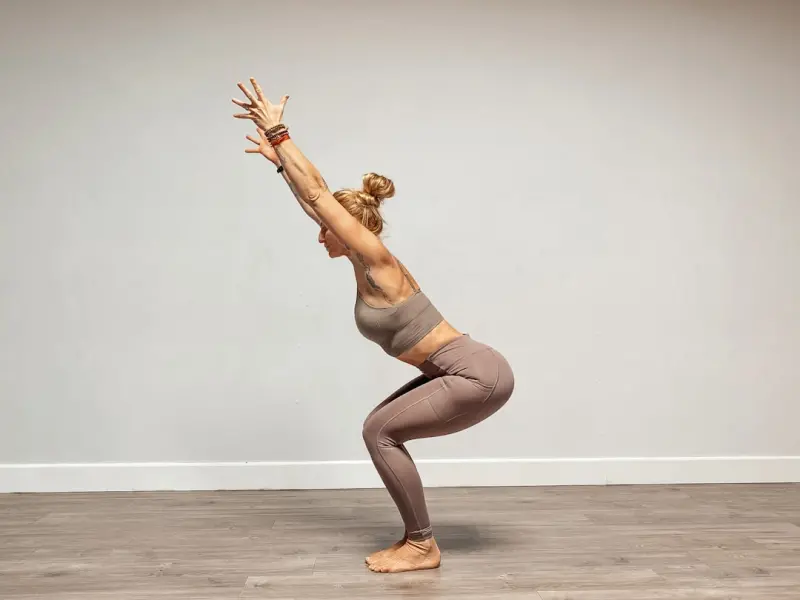
When I first realized that the way I sat at my desk was influencing more than just my occasional twinge of back pain, I began to notice subtle shifts in my energy levels, my appetite, and even the tone of my conversations; the body, I learned, is an integrated system where alignment sends constant feedback to the brain, hormones, and organs, creating a cascade of physiological responses that can either amplify vitality or trigger fatigue. This insight came after months of experimenting with standing desks, ergonomic chairs, and mindful sitting, and the data was unmistakable: on days when my shoulders relaxed and my spine maintained its natural curves, my focus sharpened, my digestion felt smoother, and my mood stayed buoyant without the need for caffeine spikes. The takeaway is simple yet profound—intentional posture is a low‑cost, high‑impact health hack that can rewire how our bodies handle stress, process nutrients, and sustain mental clarity throughout the day.
The Hidden Link Between Alignment and Digestion
It might sound surprising, but the angle of your torso and the positioning of your pelvis directly influence the efficiency of your gastrointestinal tract; when you slouch, the abdominal cavity compresses, limiting space for the stomach and intestines to expand, which can lead to slower transit, bloating, and even irregular appetite cues, a phenomenon I observed firsthand after a week of marathon coding sessions hunched over a laptop. By consciously opening the chest, lengthening the spine, and engaging the core muscles, you create a vertical conduit that encourages peristalsis, allowing food to move more freely and nutrients to be absorbed with fewer obstacles, a change that translated into steadier blood sugar levels and a noticeable reduction in post‑meal sluggishness for me. Integrating brief posture resets every ninety minutes—standing, rolling shoulders, and gently extending the spine—has become a ritual that not only supports a healthier gut but also reinforces a sense of bodily awareness that underpins broader wellness goals.
Boosting Mood and Energy Through Simple Adjustments
Science tells us that posture can affect neurotransmitter balance, and my own experiments confirmed that sitting upright for just a few minutes can lift serotonin and dopamine spikes, giving a natural mood boost without the crash associated with sugary snacks or energy drinks; the act of aligning the spine signals the brain that you are ready for action, which in turn activates the sympathetic nervous system in a controlled way, sharpening alertness while keeping cortisol in check. I paired these posture breaks with curated playlists that feature uplifting rhythms, noticing that the combination amplified the feel‑good effect—a synergy that reminded me of the power of multisensory cues in shaping emotional states, much like the insights shared in music for mood articles. Over time, this practice replaced my reliance on caffeine, delivering a steadier, more sustainable energy flow that kept me productive from morning meetings to late‑night creative brainstorming sessions.
Practical Micro‑Posture Practices for Busy Lives
In a world that prizes speed, the idea of dedicating long stretches of time to posture work feels unrealistic, which is why I advocate for micro‑posture interventions that can be woven into everyday tasks; for instance, while waiting for a coffee brew, I roll my shoulders backward, tuck the chin slightly, and lengthen the spine, a simple three‑second reset that recalibrates alignment without interrupting the workflow. Another tactic involves the “standing phone call”—instead of slumping into a chair, I stand tall, feet shoulder‑width apart, and engage the core, turning a routine conversation into an opportunity to reinforce muscular memory and improve circulation, a habit that has noticeably reduced the fatigue I once felt after long conference calls. These bite‑size practices accumulate over the day, creating a cumulative effect that mirrors the benefits of a dedicated yoga session, yet fit seamlessly into a hectic schedule, proving that consistency, not duration, is the real driver of lasting postural health.
Integrating Breath and Core Engagement
Breathing is the bridge between conscious intention and involuntary function, and when paired with core activation, it becomes a powerful tool for stabilizing the spine and enhancing overall vitality; I discovered that diaphragmatic breathing—inhale deep through the nose, allowing the belly to expand, then exhale slowly through the mouth—creates a natural brace for the lumbar region, reducing strain and promoting a relaxed yet alert state, a technique that feels almost meditative yet yields tangible physical benefits. By synchronizing each breath with a subtle drawing in of the lower ribs and a gentle pull of the pelvic floor, you engage the transverse abdominis, the deep core muscle that acts like a corset around the spine, supporting posture without the need for heavy lifting or intense workouts. Incorporating this breath‑core combo into daily rituals—such as before checking emails or during a brief pause before a meeting—has helped me maintain a sense of groundedness and reduce the mental jitter that often accompanies high‑pressure environments.
Tech‑Free Tips: When Screens Meet Spine
Our devices are indispensable, yet the habit of craning our necks toward glowing screens creates a forward head posture that compresses the cervical spine, strains neck muscles, and can trigger tension headaches, a cascade I experienced after endless scrolling sessions that left me with a persistent sore at the base of my skull. To counteract this, I instituted a simple rule: every time I pick up a phone, I first set a small stack of books or a tablet stand at eye level, forcing the gaze upward and encouraging a neutral neck alignment, a tweak that dramatically reduced the frequency of those nagging aches. This practice dovetails nicely with the broader benefits of unplugging, as highlighted in the article on digital detox benefits, where reduced screen time not only clears the complexion but also gives the body a chance to reset its posture without constant visual pull. By creating intentional screen‑free zones—like the kitchen table during meals—I give my spine a break, support better digestion, and foster a more mindful relationship with technology.
Tracking Progress Without Obsessing
Metrics can be motivating, but the key is to choose measurements that reflect genuine functional improvements rather than vanity numbers; for posture, I rely on simple self‑assessment cues such as the ease of taking deep breaths, the absence of neck tension after a workday, and the consistency of feeling energized without caffeine spikes, indicators that align closely with everyday wellbeing. I also keep a brief journal—nothing elaborate, just a few bullet points each evening noting how my back felt, any digestive quirks, and my overall mood, a habit that mirrors the reflective practices discussed in AI‑enhanced journaling guides, yet remains low‑tech and intimate. Over weeks, patterns emerge, revealing which micro‑posture tricks are most effective for me, allowing adjustments without the pressure of daily perfection, and reinforcing the notion that sustainable health is built on incremental, observable gains rather than rigid perfectionism.
Community and Accountability: Sharing the Journey
Human beings thrive on connection, and sharing posture goals with friends, family, or online groups creates a supportive network that amplifies accountability; I started a weekly “posture check‑in” with a few colleagues, where we each spend five minutes describing any aches, successes, or new tricks we tried, turning what could be a solitary struggle into a collaborative learning experience. This communal approach not only surfaces fresh ideas—like a coworker suggesting the use of a lumbar roll during long video calls—but also fosters a sense of camaraderie that fuels motivation, especially on days when the temptation to slump is strongest. By celebrating small victories together and offering gentle reminders when posture slips, the group dynamic turns personal health into a shared adventure, echoing the power of collective storytelling in fostering resilience and growth.
Final Thoughts: Making Alignment a Lifestyle
Ultimately, intentional posture is less about rigid rules and more about cultivating a fluid awareness that adapts to the rhythms of daily life, a philosophy that aligns with the broader pursuit of holistic health where small, consistent actions yield outsized returns; when you treat your spine as a central nervous system hub that influences digestion, mood, and energy, every adjustment becomes an investment in your overall vitality. By integrating micro‑posture practices, breathwork, tech‑free habits, and community support, you create a sustainable ecosystem that nurtures both body and mind, turning ordinary moments—like waiting for a kettle to boil or standing in line at the grocery store—into opportunities for alignment and empowerment. Embrace the journey with curiosity, patience, and a willingness to experiment, and you’ll discover that a well‑aligned body not only feels better but also opens the door to a more vibrant, resilient version of yourself.

Tyler Johnson is a seasoned freelance writer with a keen eye for detail and a passion for crafting compelling narratives. His years of experience have honed his ability to adapt his style to suit diverse client needs and project requirements.
Related Posts

Unplug to Recharge: A Practical Digital Detox Guide
Digital overload silently erodes mental and physical health. This guide offers step‑by‑step stra... Read More

The Wild Prescription: How Forest Bathing Boosts Modern Health
Forest bathing, rooted in Japanese shinrin‑yoku, offers measurable health benefits—from reduced ... Read More

Movement Snacks: Tiny Exercise Bursts That Supercharge Health and Productivity
Movement Snacks turn brief, intentional exercise bursts into powerful health tools for busy professi... Read More
Top Posts

AI as a Thought Partner: Elevating Business Writing and Idea Generation
Discover the power of AI as a thought partner that amplifies business writing, accelerates ideation, and uncovers hidden blind spots, turning routine content cr...Read More

Hidden Home Hacks That Supercharge Your Daily Productivity
Learn seven subtle, science‑backed tweaks—from lighting and airflow to smart storage and night routines—that transform any home into a productivity‑boos...Read More

Why Financial Wellness Is the Missing Piece in Modern Employment Strategies
Financial stress undermines performance and retention. This article shows why integrating financial wellness into employee benefits is essential and offers a st...Read More

Unlocking Hidden Potential: Transforming Attic Spaces into Multi‑Purpose Creative Hubs
Learn practical steps to assess, design, and personalize an attic, creating a versatile creative hub that blends function, comfort, and style....Read More
0 Comments
Post Comment
You will need to Login or Register to comment on this post!