
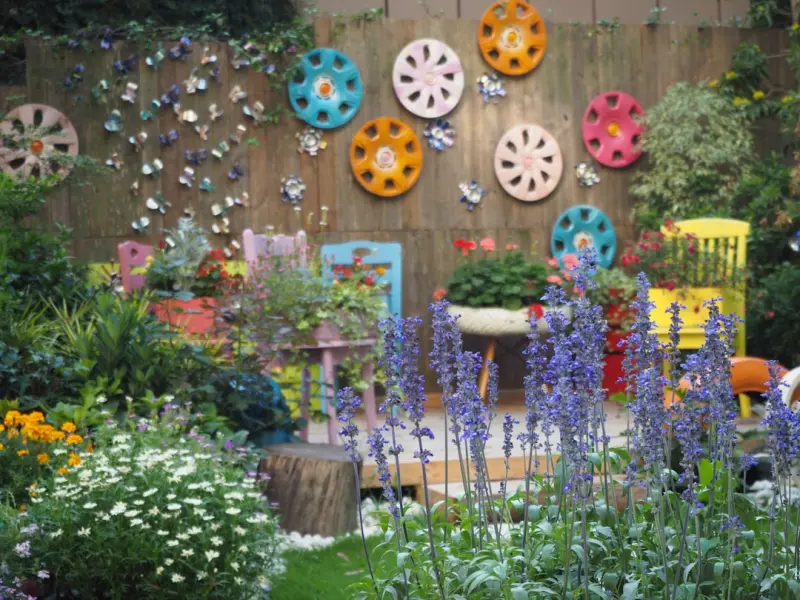
Why a Garden Should Be More Than Just Green
When most people think about gardening, they picture rows of vegetables, a tidy lawn, or a few ornamental shrubs. I’ve spent countless weekends in my own backyard, and what kept me coming back wasn’t just the harvest or the aesthetic. It was the way my garden made me feel—how the scent of lavender soothed my nerves, how the rustle of bamboo leaves turned a simple walk into a meditation, how the cool touch of a stone bench invited me to pause. A garden that engages sight, sound, touch, and scent transforms a patch of earth into a living, breathing sanctuary. In today’s hyper‑stimulating world, designing a multi‑sensory garden is a quiet rebellion, a way to reclaim calm and curiosity without logging onto a screen.
The Visual Palette: Color, Texture, and Light
Visual impact is the most obvious element, but it’s also the most nuanced. Start by selecting a color scheme that evolves throughout the seasons. Pair early‑spring crocuses (soft purples) with summer marigolds (vibrant oranges) and finish with winter‑hardy hellebores (deep reds). The goal isn’t a static tableau; it’s a dynamic story that unfolds month by month.
Texture adds depth that color alone can’t provide. Combine the feather‑light fronds of ferns with the glossy leaves of hostas and the rough bark of ornamental grasses. When sunlight filters through these varied surfaces, you’ll notice subtle shadows dancing across the garden floor—a visual rhythm that changes from dawn to dusk.
Don’t underestimate the power of natural light. While lighting hacks often focus on interiors, outdoor lighting can be a design tool too. Position low‑lying LED strips along a stone pathway to highlight a texture contrast or use solar‑powered lanterns to cast gentle pools of light that invite nocturnal exploration.
Soundscapes: Turning the Garden into an Auditory Retreat
Sound is an often‑overlooked sense in garden design, yet it can profoundly affect mood. A well‑placed water feature creates a soothing backdrop, but you don’t need a grand fountain. A simple DIY bamboo water chime—bamboo stalks placed over a shallow bowl—produces a gentle, rhythmic tinkling when the wind passes.
Plants themselves can become instruments. Ornamental grasses like Pennisetum or Miscanthus sway and rustle with the slightest breeze, producing a natural percussion. Even the strategic placement of wind‑catching seed heads, such as those from the Japanese maple, can add a soft whisper to the evening air.
Birds are the original garden musicians. By installing a few discreet bird feeders and nesting boxes, you invite a chorus of chirps, trills, and warbles. Choose native seed mixes to attract species that thrive in your climate; their songs will become an ever‑changing soundtrack that marks the passage of time.
Tactile Elements: The Power of Touch in Outdoor Spaces
Touch is the sense most people forget when they step outside. Yet a garden can be a tactile playground. Incorporate a variety of surfaces—smooth river stones, rough bark mulch, soft moss, and cool ceramic tiles. A winding pathway that alternates between these textures encourages barefoot walking, a practice known as “earthing” that has been linked to reduced inflammation and stress.
Consider adding interactive installations: a reclaimed wooden swing, a swinging bench made from reclaimed pallet wood, or a low, sturdy table crafted from an old wine barrel. These pieces invite people to sit, lean, or sway, creating a physical connection that deepens the emotional bond with the space.
For families with children, a sensory garden box filled with sand, pea‑gravel, and smooth pebbles offers a sandbox‑like experience that encourages exploratory play. The tactile feedback of moving grains between fingers can be meditative for adults and developmental for kids.
Scent: Aromatherapy in the Open Air
If you’ve ever walked past a row of rosemary and felt an instant lift in mood, you’ve experienced the power of scent. Aromatherapy isn’t just for indoor diffusers; it can be an integral part of garden design. Choose plants that release fragrance at different times of day: night‑blooming jasmine or sweet alyssum for evenings, while citrus‑scented rosemary or lemon verbena thrive in the morning sun.
Layering scents creates a complex olfactory journey. Plant lavender near rosemary—lavender calms, rosemary invigorates. The contrast keeps the sensory experience fresh and balanced. For a subtle, ground‑hugging aroma, incorporate low‑growing thyme or creeping sage along pathways; as you step, the scent rises with each footfall.
Don’t forget the power of scented mulch. Adding crushed citrus peel or dried rosemary to your mulch not only repels pests but releases gentle fragrance as it breaks down, enhancing the garden’s scent profile without any extra planting.
Seasonal Transitions: Keeping the Sensory Experience Alive Year‑Round
One mistake many gardeners make is planning only for the growing season. A truly multi‑sensory garden thrives in winter, too. Evergreen foliage provides visual continuity and a backdrop for winter‑blooming plants like hellebores and winter jasmine, which add color and scent when most gardens look dormant.
For sound, consider a wind‑driven kinetic sculpture—metal rods or glass chimes that catch the cold breezes and create a crystalline tinkling that echoes across the frost‑kissed lawn. Tactilely, a heated stone bench invites you to sit and soak in the crisp air without shivering, while a fire pit provides warmth and the primal crackle of burning wood.
Finally, incorporate edible components that persist through colder months. Hardy herbs such as sage and mint can be grown in pots and brought indoors, letting you harvest fresh flavor and scent even when the garden outside is dormant.
Integrating Sustainable Practices Without Sacrificing Sensory Richness
Sustainability and sensory design are not mutually exclusive. In fact, many eco‑friendly practices enhance the sensory experience. Rain barrels capture water for irrigation, reducing the need for municipal water and giving your garden a subtle, rhythmic sound as water drips into the container.
Using reclaimed materials for pathways and furniture not only reduces waste but adds a story layer to the garden. A repurposed glass bottle turned into a wind spinner, for example, glints in the sun and creates a soft tinkling sound as it rotates. For more ideas, check out this guide on creative garden transformations that turn everyday items into focal points.
Composting is another sensory goldmine. The earthy aroma of a thriving compost heap signals a healthy soil ecosystem. Adding a small, covered compost bin near a seating area lets you monitor the decomposition process while enjoying the occasional whiff of rich, dark soil.
Health‑Focused Air Quality: A Breath of Fresh Air
While scent adds pleasure, plants also play a crucial role in purifying the air. Species like spider plant, peace lily, and Boston fern actively filter indoor pollutants, and many of these can thrive in shaded garden corners or pergolas. By extending these air‑cleaning benefits outdoors, you create a breathable micro‑climate that feels fresher after a long day.
To maximize these benefits, incorporate healthy home air tips such as planting a mix of evergreen and broad‑leaf species that capture particulate matter year‑round. Pair them with strategically placed stone or water features that increase humidity, which can alleviate dry‑air irritation during hot months.
Putting It All Together: A Step‑by‑Step Blueprint
- Map Your Space. Sketch a rough layout, marking sunny, shady, and wind‑exposed zones. Identify where you want visual focal points, sound sources, and tactile stations.
- Choose a Color Story. Pick three primary hues and two accent colors that will rotate through the seasons. Select plants that fit those palettes and have complementary textures.
- Layer Sound Elements. Install a water feature, add wind‑chime plants, and set up bird feeders. Test the acoustics by walking the path at different times of day.
- Incorporate Touch. Lay out a mixed‑material pathway, place a reclaimed swing or bench, and add a sensory box for tactile play.
- Plan Scent Zones. Group fragrant plants by the time of day they release aroma. Use scented mulch to amplify the effect.
- Integrate Sustainability. Add rain barrels, compost bins, and reclaimed décor. Ensure each element serves both an ecological and sensory purpose.
- Maintain Year‑Round Interest. Plant evergreens, winter bloomers, and install kinetic sculptures that function in cold weather.
Final Thoughts: Your Garden as a Living, Breathing Companion
Designing a garden that speaks to all five senses isn’t a one‑time project; it’s an evolving relationship. As you nurture plants, listen to the wind, feel the textures underfoot, and inhale the ever‑changing aromas, you’ll discover a deeper connection to the natural world that no screen can replicate. The garden becomes a mirror of your own rhythms—a place where you can celebrate the present, reflect on the past, and anticipate the future, all through the simple act of being present in a space that engages every sense.

Seth Samual is a name that's quickly becoming synonymous with compelling and insightful writing. As a freelance writer, Seth has carved a niche for himself by delivering high-quality content across a diverse range of subjects.
Related Posts
Designing a Low‑Maintenance Native Plant Garden that Attracts Pollinators
Discover how to build a low‑maintenance native garden that invites bees, butterflies, and birds, w... Read More
From the Cubicle to the Garden: How My Outdoor Desk Redefined Home Life
A personal journey from a cramped cubicle to a thriving garden desk, revealing how outdoor workspace... Read More
Transform Your Small Balcony into a Year‑Round Green Retreat
Discover practical steps to convert a modest balcony into a vibrant, year‑round green sanctuary us... Read More
Top Posts

Seasonal Window‑Box Mastery: Turning Your Sill into a Living Canvas
A step‑by‑step guide to turning a simple window sill into a vibrant, seasonal garden that boosts mood, offers fresh herbs, and brings nature into small‑sp...Read More
The Rise of the Living Kitchen: Merging Gardens with Culinary Spaces
Learn how to integrate herbs, microgreens, and smart growing tech into your kitchen, creating a sustainable, flavorful space that boosts wellness and reduces wa...Read More

From Garden Soil to Office Success: How Rose DesRochers Is Redefining Home & Garden Living
Rose DesRochers shares her personal transformation of a garden desk into a thriving green workspace, highlighting health benefits, smart tools, and community ti...Read More

Garden Desks: The Employment Power Play Shaping 2026
In 2026, garden desks have become the go‑to solution for boosting focus, health, and employee satisfaction, turning backyards into thriving productivity hubs....Read More
0 Comments
Post Comment
You will need to Login or Register to comment on this post!