

Why We All Need a Travel Reset
There’s a strange paradox about modern travel: the more we can book a flight with a tap, the harder it becomes to truly be somewhere. Notifications ping, emails linger in the background, and the urge to capture every moment for the feed can turn a soulful adventure into a frantic sprint. I’ve spent the last decade hopping between continents, and I’ve learned that the most transformative trips aren’t the ones where my inbox is empty—but the ones where my mind is deliberately quiet.
The Power of Intentional Disconnect
When you choose to unplug—to set boundaries around Wi‑Fi, social media, and the relentless stream of news—you give space for the subtle, often‑overlooked aspects of travel to surface. Those quiet mornings watching mist roll over a mountain ridge, the unexpected conversation with a local market vendor, the feeling of sand between your toes that isn’t filtered through a camera lens. All of these become richer when you’re not constantly checking the next notification.
Research in neuroscience shows that sustained digital overload can fragment attention, making it harder to absorb new cultures and environments. By deliberately stepping back, you allow the brain’s default mode network to activate, fostering creativity, reflection, and deeper emotional processing. In short, a digital detox isn’t just a break—it’s a catalyst for a more authentic travel experience.
Designing a Trip That Prioritizes Unplugging
Planning a journey with intentional disconnect starts long before you pack your bags. It’s about framing the trip as a series of experiences rather than a checklist of destinations. Here are the core steps I follow:
- Define the purpose. Are you seeking creative renewal, deeper connection with a partner, or simply a mental reset? Your purpose will guide every subsequent decision.
- Choose a location with natural buffers. Remote villages, national parks, and islands often have limited connectivity by design, which makes it easier to stay offline.
- Set clear digital boundaries. Decide which devices (if any) will accompany you, and establish “offline windows” each day—maybe sunrise meditation or an evening walk without screens.
- Plan low‑tech activities. Think guided hikes, cooking classes, pottery workshops, or even stargazing nights. Activities that require your full attention naturally discourage screen time.
Finding the Perfect Destination for a Digital Detox
Not every place is created equal when it comes to fostering unplugged moments. Below are three categories that consistently deliver the quiet you crave:
- Mountain retreats. High‑altitude lodges in the Rockies, the Alps, or the Andes often have limited cellular coverage, encouraging you to look up at the sky rather than down at a screen.
- Coastal hideaways. Small fishing villages along the Mediterranean or the Pacific coast of Central America offer slow‑paced life and a natural rhythm dictated by tides, not timelines.
- Desert sanctuaries. The stark beauty of places like the Atacama or the Namib desert provides a profound sense of isolation that can be incredibly grounding.
Even if you’re not venturing to a remote corner, you can still draw inspiration from micro‑escapes that emphasize staying close to nature while still feeling far removed from daily digital demands.
Mastering Minimalist Packing for a Mindful Journey
When you commit to disconnecting, your luggage should reflect that intention. A lighter bag means less physical clutter, which in turn reduces mental clutter. Here’s my go‑to packing list for a week‑long unplugged adventure:
- One versatile daypack (preferably water‑resistant)
- Three moisture‑wicking shirts, two layers for warmth, and one lightweight rain jacket
- One pair of sturdy hiking boots and a pair of comfortable sandals
- Reusable water bottle, travel journal, and a compact fountain pen
- Two essential tech items: a phone set to airplane mode and a portable solar charger (for emergencies only)
By stripping down to essentials, you free up mental space for observation, curiosity, and spontaneous interaction—key ingredients for a truly immersive trip.
Creating Rituals That Anchor Your Experience
Rituals act as gentle anchors, reminding you of your intention to stay present. On my recent trip to a secluded lakeside cabin, I adopted three simple practices:
- Sunrise silence. I’d sit on the dock each morning, watch the light emerge, and breathe without reaching for my phone.
- Evening gratitude sketch. Instead of a digital photo log, I drew a quick sketch of the day’s highlight—whether a mountain silhouette or a shared laugh over dinner.
- Midday mindfulness walk. A 20‑minute stroll with no destination, focusing solely on the sounds of birds, wind, and my own footsteps.
These rituals not only deepened my connection to the environment but also cultivated a habit of mindful observation that I’ve carried into my everyday life.
The Role of Journaling and Creative Mapping
Writing by hand is a powerful antidote to digital overload. A travel journal becomes a sanctuary for thoughts, sketches, and sensory details that might otherwise be lost in the scroll of a social feed. I often combine journaling with creative mapping techniques—drawing mind maps of the places I visit, the people I meet, and the emotions they stir.
Beyond personal reflection, these hand‑crafted records serve as unique keepsakes. Years later, flipping through the pages can transport you back to a moment far richer than any Instagram carousel.
Connecting with Locals Without the Distraction of Screens
When you’re not glued to a device, you become more approachable. In my experience, locals are far more willing to engage in conversation when they sense you’re truly present. Here are a few strategies to foster authentic connections:
- Learn a few key phrases. Even a simple “good morning” or “thank you” in the local language signals respect and curiosity.
- Participate in community activities. Whether it’s a local cooking class, a communal harvest, or a traditional dance, immersion offers organic interaction.
- Offer help. Volunteering for a brief task—like assisting a farmer with a small chore—opens doors to deeper storytelling and cultural exchange.
Sustaining the Benefits When You Return Home
One of the biggest challenges is translating the calm and clarity of a digital‑detox trip back into everyday life. To preserve the gains, I integrate two post‑travel habits:
- Scheduled “offline” windows. Just as I had sunrise silence abroad, I now reserve 30 minutes each morning for a phone‑free start.
- Home environment tweaks. I applied lessons from energy‑saving hacks—like dimming lights and using natural scents—to create a calming sanctuary that mirrors the tranquility of my travel spot.
These practices ensure the mental reset isn’t a fleeting souvenir but a lasting shift in how I engage with the world, both near and far.
Final Thoughts: Travel as a Deliberate Pause
Travel, at its core, is an invitation to step out of the familiar and into the unknown. By intentionally disconnecting, you grant yourself permission to truly listen—to the wind, to strangers, and to the quiet voice within. The result is a journey that doesn’t just fill your photo album, but enriches your mind, fuels your creativity, and deepens your sense of belonging.
So the next time you plan a getaway, ask yourself: What will I leave behind to fully arrive? The answer might just be the most rewarding part of the adventure.

Armed with a degree in English Literature, Jill’s journey into the digital space wasn't just a career move; it was a natural extension of her lifelong love affair with storytelling. While some writers view search engine optimization (SEO) as a rigid constraint, Jill sees it as a creative puzzle. She understands the delicate art of balancing the algorithmic demands of search engines with the human desire for resonance, emotion, and value. To Jill, keywords aren't just targets to hit; they are the breadcrumbs that lead eager readers straight to the answers they’ve been searching for.
Related Posts

Beyond the Guidebook: Crafting a Personal Travel Laboratory
Learn how to transform ordinary vacations into intentional experiments by setting research questions... Read More

The Art of Nomadic Productivity: Turning Transit into a Creative Engine
Discover practical strategies to turn every leg of a journey—from airport lounges to train ridesâ€... Read More

Micro‑Getaways: How Short Trips Supercharge Creativity
Micro‑getaways—compact, purpose‑driven trips of one to two days—offer a powerful alternative... Read More
Top Posts

Culinary Time Travel: Tasting History on the Road
Discover a fresh travel angle that treats food as a time machine—learn to map historic dishes, pack for culinary adventures, and responsibly bring centuriesâ€...Read More

Bringing the Wild Inside: How to Design a Biophilic Home That Feeds the Soul
A guide to transforming any space into a nature‑infused sanctuary, covering light, greenery, tactile textures, soothing sounds, and aromatic accents for lasti...Read More

Micro‑Rituals: Redefining Personal Care in a Hyper‑Connected World
Learn how to integrate quick visual, scent, and touch practices into your remote workday, enhancing skin vitality and mental clarity without adding extra tasks....Read More
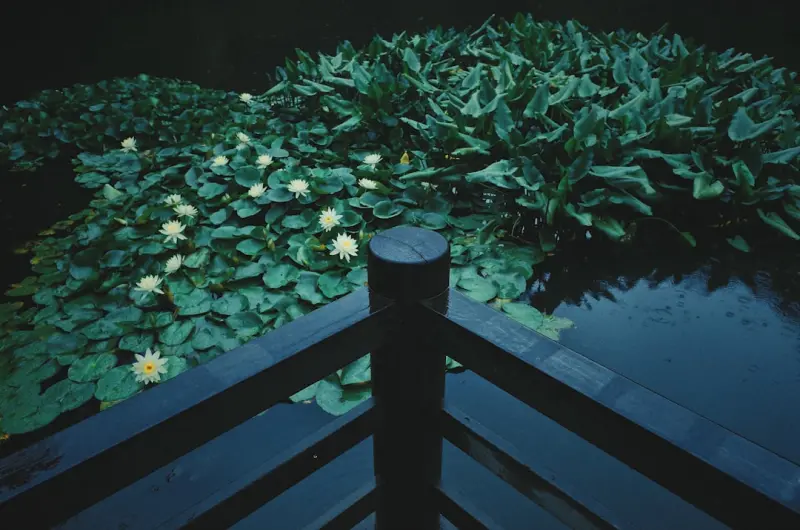
Evening Garden Retreat: Light, Water, and Comfort After Dusk
Discover how to transform your backyard into a soothing evening retreat using layered lighting, gentle water features, comfortable seating, and smart organizati...Read More
0 Comments
Post Comment
You will need to Login or Register to comment on this post!