
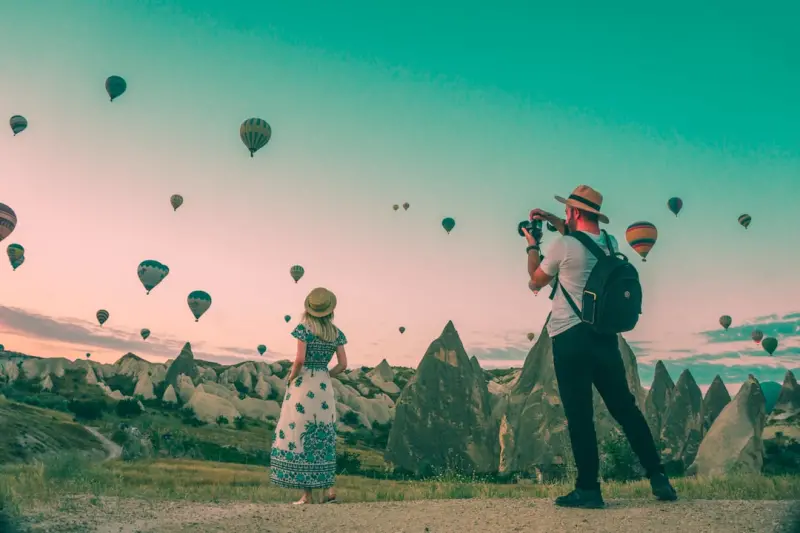
Reframing the Road: Travel as a Personal Innovation Lab
When I book a flight, I no longer see it as a simple escape; I view it as a sandbox for micro‑experiments that can reshape my habits, mindset, and creativity. Each destination becomes a lab bench where I can test a new skill, challenge a pre‑existing belief, or prototype a habit that feels out of reach at home. This shift turns ordinary sightseeing into purposeful play, allowing the journey to serve both the soul and the intellect. By framing travel this way, the mundane—like waiting at an airport—transforms into an opportunity to sketch ideas, rehearse conversations, or even practice a foreign language with strangers. The key is intentional curiosity: arriving with a question rather than a checklist, and letting the environment provide the answer.
Designing the Experiment: Setting Up Your Travel Hypotheses
Before I step onto a train, I outline a few hypotheses I want to explore. For instance, “Will I be able to cook a traditional dish using only local market ingredients?” or “Can I navigate a city without any digital maps for a full day?” These questions act as a compass, guiding daily activities without feeling restrictive. I keep a lightweight notebook—sometimes a digital one—to jot down observations, successes, and failures. This practice mirrors the iterative process of design thinking: empathize with the locale, define a challenge, ideate solutions, prototype on the spot, and reflect afterward. The beauty of travel is that the stakes are low; a failed experiment merely becomes a memorable story rather than a costly setback. Over time, this habit of hypothesis‑driven exploration spills over into everyday life, making routine problem‑solving feel adventurous.
Skill‑Building on the Move: From Language to Handcrafts
One of my favorite labs is language immersion, but I push it further by pairing it with a tangible skill. In a coastal village, I might spend mornings learning to weave fish‑net patterns while afternoons practice conversational phrases with local artisans. The tactile engagement reinforces memory, turning abstract words into lived experiences. Similarly, I’ve taken up street photography in bustling markets, using each snap to capture not just a scene but an emotion I’m trying to convey. These dual‑track exercises keep the brain active, forging neural pathways that blend cultural insight with practical ability. By the end of a trip, I often return home with a new recipe, a handful of idioms, and a fresh portfolio piece—all evidence that travel can be a catalyst for continuous learning.
Creative Playgrounds: Turning Public Spaces into Studios
Public squares, train stations, and even hostel lounges become impromptu studios when you approach them with a playful mindset. I once set up a makeshift journal booth in a bustling plaza, inviting passersby to share a one‑sentence story about their day. The resulting collage of voices sparked a collaborative narrative that I later expanded into a short blog series. These spontaneous projects break the barrier between traveler and local, fostering a sense of community ownership over the creative process. Moreover, they generate authentic content that can be repurposed for future storytelling, marketing, or even personal reflection. The act of turning ordinary spaces into creative labs underscores the idea that innovation isn’t confined to formal settings—it thrives wherever curiosity is welcomed.
Data‑Driven Wanderlust: Capturing Insights Without Overload
While I love the freedom of a paper notebook, I occasionally employ lightweight digital tools to track patterns across trips. A simple spreadsheet can log variables like “hours spent walking,” “new foods tried,” and “confidence rating in local language.” Over multiple journeys, this data reveals trends—perhaps I’m most productive in the early mornings or I retain language better when I practice with street vendors. The key is to keep data collection minimal and purposeful, avoiding the trap of becoming a tourist‑tech obsessive. By analyzing these insights, I can refine future itineraries, focusing on activities that yield the highest personal growth. This modest analytics approach complements the more organic, anecdotal observations, creating a balanced picture of my travel experiments.
Building Community‑Centric Experiments: Learning from Locals
Even though I avoid repeating the exact angle of community‑driven experiences, I still value the depth that local mentorship provides. I often seek out a resident who can act as a temporary coach—perhaps a baker teaching me the art of sourdough or a fisherman sharing sustainable catch practices. These mentorship moments are structured like short‑term apprenticeships, where the learning curve is steep but the payoff is immediate. By respecting the expertise of locals and offering my own skills in return—like helping with social media promotion—I create reciprocal relationships that enrich both parties. This exchange transforms a typical sightseeing stop into a collaborative laboratory, where cultural exchange fuels personal development.
Documenting the Lab: The Power of a Travel Memory Vault
At the end of each trip, I consolidate my notes, photos, sketches, and data into a digital “memory vault.” This repository isn’t just a scrapbook; it’s a curated knowledge base that I can revisit when planning future experiments. I tag entries by theme—such as “culinary,” “language,” or “design”—making it easy to retrieve specific insights. Occasionally, I revisit old entries to see how my perspective has shifted, noting patterns of growth or recurring challenges. This practice turns fleeting moments into lasting intellectual assets, reinforcing the notion that travel is an ongoing research project rather than a one‑off adventure. Over years, the vault becomes a personal encyclopedia of lived experiments, inspiring new hypotheses and serving as a reminder of the transformative power of purposeful wandering.
From Experiment to Habit: Translating Travel Gains into Daily Life
The ultimate test of any travel lab is whether its findings survive the return home. To bridge this gap, I select one or two actionable takeaways from each journey and embed them into my weekly routine. For example, after mastering a quick street‑food recipe abroad, I schedule a “global dinner night” every Friday, recreating the dish with locally sourced ingredients. If a language confidence boost was a goal, I continue a ten‑minute daily conversation practice with a language exchange partner. By anchoring these habits to concrete schedules, the momentum generated on the road flows seamlessly into everyday life, ensuring that the personal innovation lab continues to operate long after the passport is tucked away.
Future‑Forward Travel: Embracing Uncertainty as a Design Constraint
In the spirit of experimentation, I now treat uncertainty itself as a design constraint. Rather than over‑planning, I leave intentional gaps in my itinerary—blank spaces where the unknown can dictate the next move. This approach forces me to improvise, negotiate resources, and make decisions on the fly, sharpening problem‑solving muscles that are often dulled by routine. Each unplanned encounter—be it a missed train or a surprise local festival—becomes a data point, informing my next hypothesis. Over time, I’ve learned to appreciate the creative tension that uncertainty brings, recognizing it as the spark that fuels innovative thinking both on the road and at the office desk.
Closing the Loop: Sharing the Lab’s Findings with a Wider Audience
Finally, I close the research cycle by sharing my experiments and outcomes through blog posts, workshops, or community talks. By articulating the process—what worked, what flopped, and the unexpected insights—I invite others to join the conversation, fostering a collective learning environment. Occasionally, I reference related explorations like Crafting a Sensory Diary on the Road to illustrate how different sensory lenses can complement the innovation lab approach. I also point readers toward broader discussions such as Beyond Tourism for those interested in deeper community impact. By publishing these reflections, the personal lab expands into a shared resource, encouraging fellow travelers to view their trips not just as vacations, but as fertile grounds for continual growth and discovery.

When it comes to the world of blogging and writing, Rose DesRochers is a name that stands out. Her passion for creating quality content and connecting with her audience has made her a trusted voice in the industry. Aside from her skills as a writer and blogger, Rose is also known for her compassionate nature.
Related Posts
The Rise of Hyper‑Local Micro‑Escapes: Redefining Wanderlust
Micro‑escapes—short, local getaways—are reshaping travel by delivering dopamine‑boosting exp... Read More

Why the 48‑Hour City Sprint Is the Future of Business Travel
A 48‑hour city sprint blends focused work with intentional cultural immersion, delivering fresh id... Read More
The Phone‑Free Travel Reset: Reclaiming Presence on the Road
A phone‑free day on the road lets you hear market chatter, taste food before photographing it, and... Read More
Top Posts

Micro‑Mentorship: A Low‑Key Strategy to Turbocharge Career Paths
Micro‑mentorship offers brief, focused learning moments that speed up skill acquisition, foster collaboration, and strengthen retention. Learn how to embed th...Read More
Pocket‑Size Fitness: Transforming Desk Hours into Health Wins
Miranda Murphy reveals how micro‑movements at your desk can combat sedentary strain, improve mood, and enhance productivity, turning ordinary work hours into ...Read More
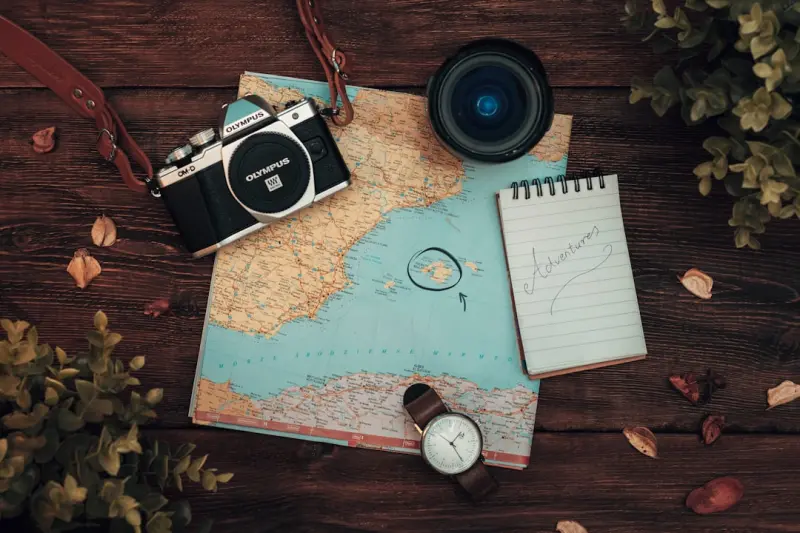
How Travel Journaling Turns Fleeting Moments Into Lasting Memories
Explore why a travel journal is your best travel companion, how to choose the right medium, and tips to keep the habit alive on the go....Read More
Unplanned Paths: How Serendipity Transforms Travel
When you surrender the itinerary and follow unexpected cues, travel becomes a living story of surprise, connection, and personal growth—here’s how to harnes...Read More
0 Comments
Post Comment
You will need to Login or Register to comment on this post!