
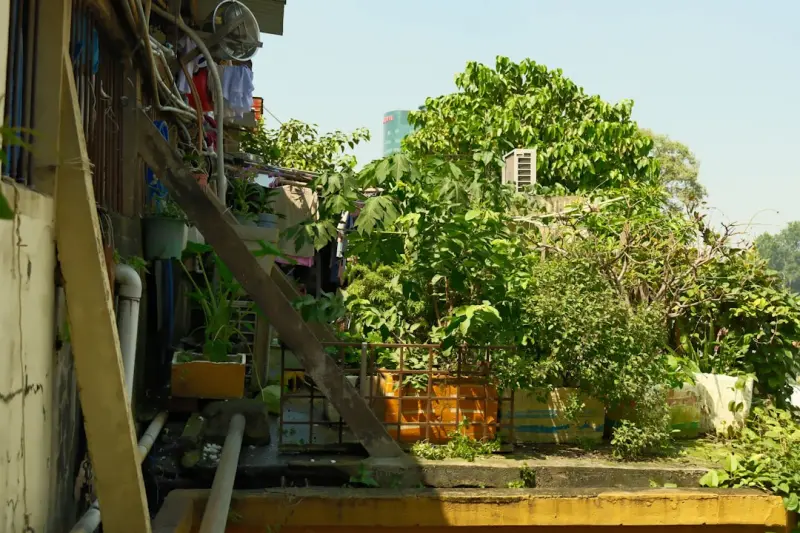
Why a Living Wall Might Be the Next Big Thing for Your Urban Home
When I first moved into a studio apartment in the city, the only green I owned was a wilted pothos on my windowsill. I missed the scent of fresh soil, the gentle rustle of leaves, and the quiet satisfaction of watching a seed turn into a thriving plant. Yet, space was at a premium, and the traditional garden felt like an unattainable luxury.
That’s when I discovered living walls—vertical gardens that cling to a wall, a rail, or even a freestanding frame. They’re not just a decorative trend; they’re a functional, health‑boosting, and surprisingly affordable way to bring the outdoors inside, even in the tiniest of apartments.
The Science Behind Green Walls
Research consistently shows that exposure to plants can lower stress hormones, improve air quality, and even sharpen cognitive performance. While many articles celebrate the benefits of mindful breathing or natural light, a living wall offers a multi‑sensory experience: visual calm, subtle humidity, and the gentle scent of foliage.
Unlike potted plants that sit on a shelf, a vertical garden maximizes surface area. A single 8‑foot wall can host the equivalent of dozens of tabletop plants, creating a micro‑ecosystem that filters pollutants like formaldehyde and benzene, which are common in modern indoor environments.
Choosing the Right System for Your Space
There’s no one‑size‑fits‑all approach. Below are three popular formats, each with its own pros and cons.
- Modular Panels: Pre‑filled panels that snap together like LEGO bricks. Ideal for renters because they’re lightweight and can be removed without damaging walls.
- Frame‑Mounted Planters: A sturdy frame that holds pots or fabric pockets. This style offers flexibility in plant selection and is perfect for larger walls.
- Hydroponic Systems: Soil‑free setups that circulate nutrient‑rich water. They’re low‑maintenance and great for those who struggle with over‑ or under‑watering.
My personal favorite? The modular panel system. I was able to start with a modest 3‑panel kit for under $150, and as my confidence grew, I added two more panels to create a cascading effect that now spans my entire living‑room wall.
Plant Picks That Thrive on a Vertical Canvas
Not every plant is suited for an upright environment. Here’s a curated list of low‑maintenance, shade‑tolerant species that love a vertical home.
- Philodendron heathii – Its trailing vines add a soft, cascading texture.
- ZZ plant (Zamioculcas zamiifolia) – Almost indestructible, tolerates low light and irregular watering.
- Spider plant (Chlorophytum comosum) – Produces baby “spiderettes” that dangle beautifully.
- English ivy – Perfect for creating a lush, green backdrop, but keep an eye on its invasive tendencies.
- Herb mix (basil, thyme, oregano) – A functional addition that lets you snip fresh flavor directly from the wall.
When you’re selecting plants, consider the light conditions of the wall. If the space receives indirect sunlight for most of the day, opt for shade‑loving varieties. For brighter walls, you can incorporate more sun‑hungry plants like succulents or mini‑cacti.
Lighting: The Unsung Hero of Indoor Gardens
Even if your wall gets a decent amount of daylight, you’ll likely need supplemental lighting to keep photosynthesis humming, especially during winter months. Strategic lighting can make all the difference.
LED grow lights are energy‑efficient and come in flexible strips that attach discreetly to the wall’s edge. Aim for a spectrum that mimics natural sunlight (around 5,000–6,500 K). Position the lights 12–18 inches above the foliage and set a timer for 12–14 hours of light per day to simulate a healthy day/night cycle.
DIY Installation: Step‑By‑Step Guide
Ready to roll up your sleeves? Follow this straightforward process to install a modular living wall in your home.
- Assess the Wall: Ensure the surface can support the weight of the panels plus soil and water. Concrete or brick walls are ideal; drywall may need reinforcement.
- Gather Materials:
- Modular panels (or DIY frame)
- Mounting brackets and screws
- Potting mix (a lightweight, well‑draining blend)
- Plants of your choice
- LED grow light strip and timer
- Watering can or drip irrigation kit
- Install Brackets: Use a level to mark bracket locations, drill pilot holes, and secure the brackets firmly. Remember to locate studs for maximum support.
- Attach Panels: Slide each panel onto its brackets, ensuring a tight fit. If you’re using a frame, assemble it first and then mount the frame to the wall.
- Add Soil: Fill each pocket or tray with potting mix, leaving a small margin at the top to prevent overflow.
- Plant: Gently remove each plant from its nursery pot, tease out the roots slightly, and set it into the soil. Pat down gently to eliminate air pockets.
- Water: Give each panel a thorough soak, allowing excess water to drain. In the first week, water once daily to help roots establish.
- Install Lighting: Attach the LED strip to the top edge of the wall, connect to the timer, and set the desired schedule.
- Maintain: Trim any overgrown foliage, check moisture levels weekly, and rotate plants every month for even growth.
It may sound involved, but the entire process took me a Saturday afternoon, and the payoff has been worth every minute.
Integrating Your Living Wall With Home Décor
A living wall isn’t just a plant installation—it’s a design statement. Here are a few ways to make it a cohesive part of your interior.
- Color Coordination: Pair the greens of your wall with muted neutrals in your furniture to let the foliage shine without clashing.
- Texture Play: Combine the softness of leaves with industrial elements like exposed brick or metal shelving for a modern, biophilic vibe.
- Functional Zones: Place a small reading nook or a meditation corner in front of the wall. The gentle rustle of leaves can become a natural white noise, enhancing focus and relaxation.
One of my favorite tricks is to install a slim, floating shelf just below the wall to showcase curated objects—hand‑crafted ceramics, a stack of design books, or even a vintage camera. The juxtaposition of curated objects and thriving greenery creates a layered, lived‑in feel.
Living Walls and Sustainability
Beyond aesthetics, vertical gardens contribute to a greener household in tangible ways:
- Reduced Energy Costs: The evapotranspiration process helps regulate indoor temperature, potentially lowering heating and cooling bills.
- Water Efficiency: Hydroponic systems recycle water, using up to 90% less than traditional potted plants.
- Air Purification: As mentioned, plants absorb VOCs and release oxygen, improving indoor air quality.
If sustainability is a core value for you, consider sourcing reclaimed wood for your frame or using biodegradable planting mediums. Even the containers can be repurposed glass jars or upcycled tin cans.
Common Pitfalls and How to Avoid Them
Every new venture comes with learning curves. Below are mistakes I made early on and the solutions that saved my wall.
- Overwatering: The biggest rookie error. Soil that stays soggy invites root rot. Use a moisture meter or simply feel the top inch of soil—if it’s dry, water.
- Neglecting Light: Even shade‑loving plants need some light. If you notice leaves yellowing, boost your LED intensity or reposition the wall to capture more daylight.
- Ignoring Plant Compatibility: Mixing high‑water‑need succulents with moisture‑loving ferns leads to stress. Group plants with similar water and light needs together.
- Forgetting to Prune: A living wall can become a dense jungle quickly. Trim regularly to maintain airflow and prevent mold.
Taking It Further: From Wall to Community
Once your wall is thriving, you might feel inspired to expand the green footprint beyond your home. Consider collaborating with neighbors to create a shared vertical garden in a communal hallway, or donate cuttings to local schools for educational projects. The ripple effect of a single living wall can inspire a mini‑green movement in your building.
Final Thoughts
Living walls have transformed my apartment from a concrete box into a breathing, dynamic space. They’re not just a fleeting décor fad; they’re a sustainable design solution that aligns with modern lifestyles—compact, low‑maintenance, and deeply rewarding.
If you’ve been yearning for a touch of nature but feel constrained by square footage, give a vertical garden a try. The process may be a little messy at first, but the payoff—a healthier, more vibrant home—is priceless.

Melanie Wilson, Freelance writer with a flare for everything. I am passionate about topics I write crafting stories and compelling content that connect with audiences. Journeying through the realms of creativity as a freelance creator. #WriterLife #ContentCreator
Related Posts
Sunlit Sanctuaries: Designing Light‑Rich Spaces Inside and Out
Learn how to map sunlight, choose reflective materials, and integrate smart shading to create bright... Read More
Cultivating a Year‑Round Indoor Herb Garden: Fresh Flavors for Every Season
Learn to turn every corner of your home into a vibrant herb sanctuary, from soil secrets to vertical... Read More
Cultivating Climate‑Smart Gardens: Small‑Space Strategies for a Resilient Home
Discover how to turn any balcony, yard, or rooftop into a climate‑smart garden using native plants... Read More
Top Posts
The Secret Life of Kitchen Herb Gardens: Growing Flavor Year‑Round
Learn how to turn any kitchen into a year‑round herb haven with practical tips on light, soil, watering, and harvesting, while embracing sustainable practices...Read More

From Cubicle to Garden Desk: How Outdoor Workspaces Are Redefining Career Success
Explore why swapping a cubicle for a garden desk can skyrocket productivity, spark creativity, and fast‑track your career—all while boosting wellness....Read More

The Soundtrack Strategy: How Curated Music Can Elevate Your Mental Health
Learn to transform your mental health with a personalized music strategy—use curated playlists, ambient soundscapes, and intentional silence to reduce stress,...Read More

Why Ambient Light Therapy Is the Secret Weapon for Home Office Health
Learn how tailoring light intensity, color temperature, and timing in your home office can align your circadian rhythm, reduce eye strain, and improve mood and ...Read More
0 Comments
Post Comment
You will need to Login or Register to comment on this post!