

When the walls of a traditional office start feeling like a cage, my mind drifts to the gentle hum of cicadas and the soft rustle of leaves. That’s where the garden desk entered my life—a simple wooden table set among rosemary and lavender, bathed in morning sun. It wasn’t just a piece of furniture; it became a portal to a more balanced, inspired version of myself. I began to notice that deadlines no longer felt like looming clouds, but rather like breezes that could be chased away with a quick step outside.
The Rise of the Outdoor Workspace
Over the past few years, countless professionals have swapped sterile cubicles for open-air desks, and the shift isn’t just a fad. Research shows that exposure to natural light can improve mood, increase focus, and even reduce the risk of eye strain. By positioning a work surface under a canopy of trees, you’re not merely changing scenery—you’re tapping into an ecosystem that fuels cognitive function. My own experience mirrors this trend: a quick glance at blooming roses sparked a breakthrough in a client pitch that had stalled for weeks. The synergy between nature and productivity is no longer a myth; it’s a measurable advantage that many are eager to capture.
Designing Your Backyard Oasis
Creating a functional yet inviting garden desk starts with thoughtful layout. Choose a spot that balances shade and sunlight—perhaps a pergola with adjustable louvers or a sturdy umbrella that can be retracted on sweltering afternoons. The ground beneath should be level, with a weather‑resistant rug that adds comfort and defines the work zone. Incorporate ergonomic seating; a reclaimed wooden chair with a plush cushion does wonders for posture while preserving the rustic vibe. When you blend aesthetics with ergonomics, the space becomes an extension of your home rather than a foreign work annex.
To keep the setup organized, consider these essential items:
- Portable power strip with surge protection for laptops and chargers.
- Bluetooth speaker for ambient nature sounds or focused playlists.
- Weather‑proof notebook and pen set for spontaneous ideas.
- Solar lanterns for evening sessions that double as mood lighting.
Choosing the Right Furniture
Not all desks are created equal, especially when they must brave the elements. Opt for materials like teak, cedar, or sustainably sourced pine that resist moisture and insect damage. A modular design allows you to expand the workspace for collaborative projects or condense it for solo deep work. I found that a reclaimed barn door repurposed as a desktop offered both character and durability—a conversation starter for any virtual meeting. Pair it with a set of stackable stools that can be tucked away when the space transforms into a family gathering spot.
When selecting accessories, think of functionality first. A built-in drawer can hide cables, while a detachable tray offers a quick place to stage coffee mugs or seedlings. By treating each component as part of an ecosystem, you ensure that the desk serves both work and leisure without compromise.
Integrating Plants for Wellness
Plants are the unsung heroes of any outdoor office. They not only purify the air but also provide subtle visual breaks that prevent mental fatigue. I line the perimeter of my desk with potted herbs—basil, mint, and thyme—that I can snip for culinary experiments during lunch breaks. Their aromatic oils double as natural aromatherapy, sharpening focus and uplifting spirits. Larger shrubs like boxwoods or dwarf citrus trees create a backdrop that feels both private and expansive.
Strategically placed greenery also offers seasonal variety. In spring, a burst of azaleas adds color; in summer, hanging ferns create cool shade; autumn brings maples with their fiery foliage, and winter’s evergreen boughs maintain a sense of continuity. By rotating plant selections, you keep the environment fresh and your mind engaged.
Tech Tips for the Outdoor Desk
Modern work demands reliable technology, even under a canopy of leaves. A robust Wi‑Fi extender positioned on a nearby antenna ensures a stable connection, while a solar‑powered battery pack keeps devices charged without relying on indoor outlets. I use a waterproof keyboard cover that protects against dew and occasional rain, and a matte screen protector reduces glare from bright sunlight. These small upgrades prevent interruptions that could otherwise derail a productive day.
Don’t overlook the power of a good headset; it isolates ambient noises—like distant lawnmowers or chirping birds—so you can stay on a conference call without distraction. Pair this with a noise‑cancelling microphone, and you’ll sound as professional from the garden as you would from a boardroom.
Maintaining Your Space Through the Seasons
Seasonal care is essential to preserve the longevity of your outdoor workspace. In spring, clear away debris, trim overgrown foliage, and give the wooden surface a fresh coat of sealant to guard against moisture. Summer calls for regular wiping of dust and checking that the power strip remains dry. Autumn is the perfect time to store lightweight accessories indoors, protecting them from falling leaves and dampness. Finally, winter may require a portable heater or a insulated canopy to keep the area usable during cooler days.
By establishing a simple routine—cleaning, inspecting, and adjusting—you’ll avoid costly repairs and keep the space inviting year after year. This stewardship also teaches children the value of caring for shared environments, turning the garden desk into a family lesson in responsibility.
Boosting Creativity and Family Life
The garden desk does more than improve work output; it weaves creativity into the fabric of daily life. My kids love joining me for “idea picnics,” where we brainstorm art projects while sipping lemonade under the shade. The open environment encourages spontaneous collaboration—whether it’s a teenager sketching a logo on a notepad or a partner suggesting a new recipe using fresh herbs from the garden.
These moments reinforce the notion that work and home life aren’t opposing forces but complementary ones. By sharing the space, we nurture a culture of curiosity and mutual support, turning the backyard into a hub where productivity meets play.
Future Trends and Community Impact
As more households adopt outdoor workstations, neighborhoods begin to evolve. Shared garden desks pop up in community gardens, fostering networking opportunities and collective problem‑solving. I recently attended a “Backyard Business Brunch” where local entrepreneurs exchanged ideas over fresh smoothies, all while seated at neighboring garden desks. This collaborative spirit hints at a future where workspaces are as communal as parks.
Looking ahead, I anticipate innovations like modular, solar‑powered work pods that can be reconfigured for events or quiet focus sessions. The convergence of sustainability, technology, and design promises to make the garden desk not just a personal sanctuary, but a catalyst for community resilience and creative growth.
In the end, the garden desk is more than a trend—it’s a lifestyle shift that redefines how we perceive work, wellness, and home. By thoughtfully curating your outdoor office, you invite nature’s rhythm into your daily routine, turning ordinary tasks into moments of inspiration. Ready to embark on your own backyard transformation? Dive into Garden Desk Mastery and explore Cultivating a Backyard Office for deeper insights and step‑by‑step guidance.

Jimmy Damon loves to right on a large scale of topics with all things Canadian as this Montreal die hard loves hockey. fishing and sports.
Related Posts
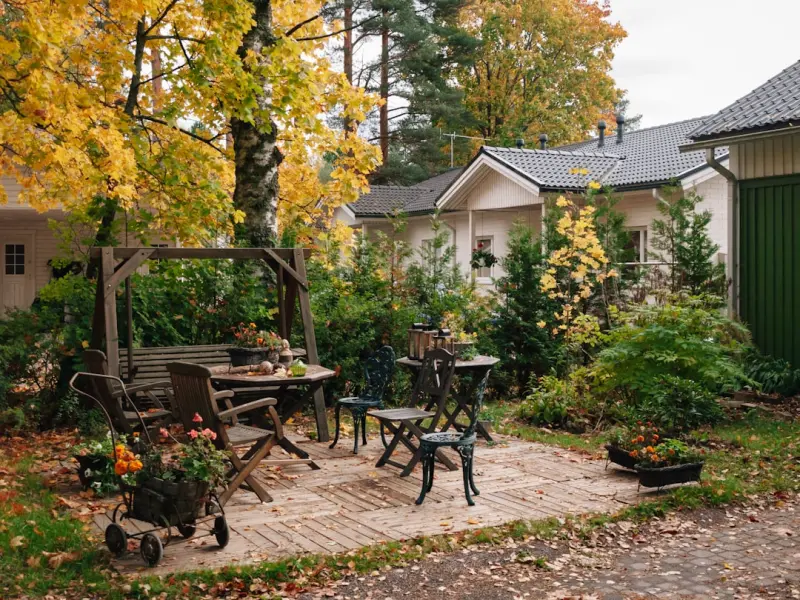
Backyard Micro‑Forests: Small Spaces, Big Impact
Discover the transformative power of backyard micro‑forests, a compact yet dynamic ecosystem that ... Read More
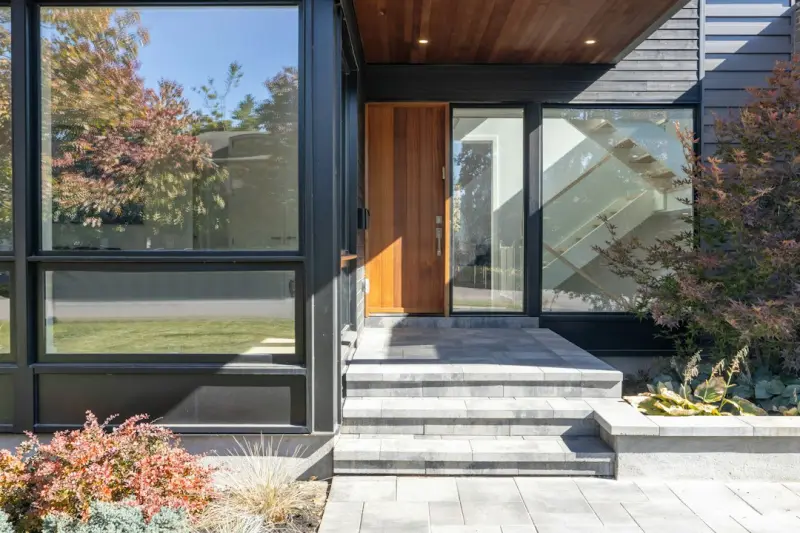
Reclaiming the Front Porch: A Modern Sanctuary for Home & Garden
Discover a step‑by‑step guide to reviving your front porch, turning it into a functional, beauti... Read More

From Backyard to Lounge: Crafting a Year‑Round Outdoor Living Room
Transform your backyard or balcony into a year‑round lounge with strategic design, vertical garden... Read More
Top Posts

Unlocking Your Body’s Internal Clock: A Remote‑Work Health Blueprint
A practical guide shows remote workers how to sync daily routines with their natural circadian rhythm, using light exposure, meal timing, and movement to improv...Read More

How Sunlight, Breath, and Community Walks Can Rewire Your Health
Explore the powerful trio of sunlight exposure, breathwork, and community walking as simple, science‑backed practices that elevate both body and mind, offerin...Read More

The Joy of Unplanned Wandering: How Serendipity Fuels Deeper Travel Experiences
Explore why letting go of strict itineraries and following curiosity leads to unforgettable travel moments and lasting memories....Read More

The Future of Personal Care: Bio‑Smart Grooming in a Hyper‑Connected World
A deep dive into how data‑driven devices, microbiome‑focused formulas, and clutter‑free grooming spaces combine to create a next‑generation personal car...Read More
0 Comments
Post Comment
You will need to Login or Register to comment on this post!