
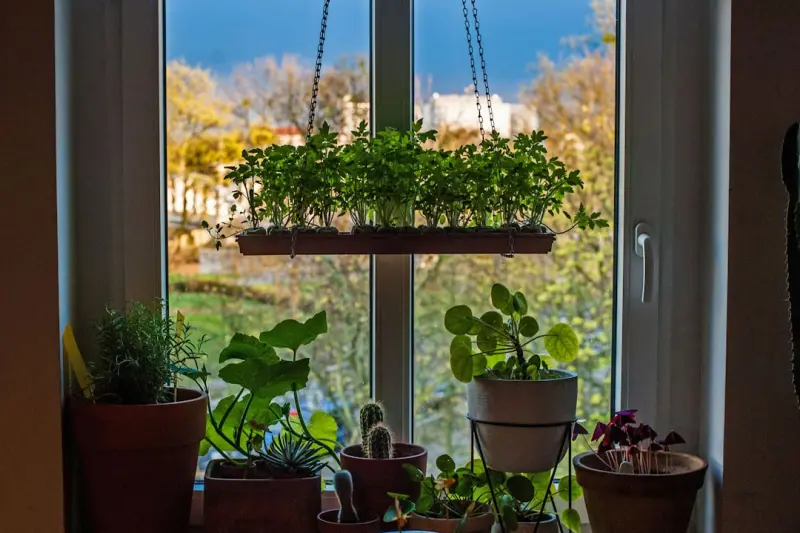
Why I Fell in Love with Vertical Gardens
Living in a compact apartment used to feel like I was constantly fighting for space, especially when I dreamed of bringing nature indoors. One rainy afternoon, while scrolling through home‑improvement forums, I stumbled upon a series of photos showcasing lush living walls that turned bare concrete into thriving ecosystems. The idea struck a chord: what if I could create a green oasis that didn’t sacrifice square footage? I began sketching designs on napkins, visualizing fern fronds cascading beside succulents, all anchored to a single vertical plane. The excitement of turning a blank wall into a living masterpiece reminded me why I fell in love with home design in the first place—every project is a chance to blend art, science, and a little bit of daring.
The Unexpected Benefits of a Living Wall
Beyond the obvious wow factor, a vertical garden offers tangible health perks that often go unnoticed. Plants act as natural air purifiers, absorbing volatile organic compounds and releasing fresh oxygen, which can improve indoor air quality and even boost concentration during work‑from‑home days. Moreover, the sight of verdant foliage has been linked to reduced stress levels and enhanced mood, turning a simple room into a personal sanctuary without the need for a separate “quiet corner.” A living wall also serves as an insulating layer, moderating temperature fluctuations and potentially lowering energy bills—a subtle nod to sustainable living that aligns with my ongoing quest for eco‑friendly home solutions. Smart sustainability tips often highlight how integrating greenery can be both beautiful and functional.
Assessing Your Space: Light, Load, and Layout
Before you rush to the hardware store, take a step back and evaluate the wall you intend to transform. First, consider the amount of natural light the area receives throughout the day; south‑facing walls typically provide the brightest conditions, while north‑facing surfaces may require low‑light tolerant species. Next, assess the structural integrity of the wall—living walls can become surprisingly heavy once the planting medium and water reservoir are added, so you may need to reinforce studs or select a modular system designed for lighter loads. Finally, think about the visual flow: a wall that spans the length of a room can become a dramatic backdrop, whereas a shorter panel works well as an accent above a kitchen backsplash or a hallway nook. Mapping out these variables on graph paper helps you visualize the final composition and avoid costly missteps.
Choosing the Right Plants for Every Pocket of Light
Plant selection is the heart of a successful living wall, and diversity is key to keeping the installation lively year‑round. For bright, sun‑bathed sections, consider hardy varieties like pothos, philodendron, or even dwarf citrus seedlings that relish direct light. In shadier zones, ferns, hostas, and ivy thrive, offering soft texture that balances the bold greens elsewhere. Mixing foliage with contrasting leaf shapes—such as the feather‑like fronds of a Boston fern alongside the glossy, heart‑shaped leaves of a peace lily—creates visual interest and encourages biodiversity, which in turn supports beneficial insects. Don’t forget the occasional splash of color; tiny flowering begonias or purple coleus can add unexpected pops that keep the wall from feeling monotonous.
DIY Framework: Building a Sturdy Yet Stylish Support System
Constructing the backbone of your vertical garden can be as rewarding as the planting itself, and you don’t need a carpenter’s license to get it right. I started with a simple wooden pallet reclaimed from a local market—its rustic charm matched the organic vibe I was aiming for. After sanding the surface to remove splinters, I attached a grid of galvanized steel brackets using stainless‑steel screws, ensuring each panel could support up to 10 pounds of soil and moisture. For those who prefer a sleeker aesthetic, aluminum rain gutters mounted on a metal frame provide a minimalist look while allowing water to flow effortlessly down the wall. Whichever material you choose, seal the wood with a low‑VOC finish to protect against humidity, and double‑check that every joint is level before proceeding to the planting stage.
Smart Irrigation: Keeping Your Wall Hydrated Without the Hassle
One of the most common pitfalls of vertical gardens is uneven watering, which can lead to dry spots or water‑logged roots. To combat this, I installed a drip‑irrigation system that runs through a thin tubing network hidden behind the planting panels. A timer linked to a moisture sensor automatically adjusts water flow based on real‑time readings, ensuring each plant receives just the right amount of moisture. If you’re tech‑savvy, integrate the system with a home automation hub for remote monitoring via smartphone—perfect for those busy weeks when you’re away on a short trip. For a more low‑tech approach, a simple wicking mat placed behind the plant pockets can draw water up from a reservoir, providing a steady, passive supply. Both methods reduce water waste and align with the sustainable garden practices I champion in my own home.
Maintenance Mastery: Pruning, Feeding, and Seasonal Swaps
Once your living wall is thriving, ongoing care becomes a ritual that deepens your connection to the space. Regular pruning prevents overcrowding, allowing light to penetrate deeper into the foliage and encouraging new growth; a clean pair of garden shears works wonders for shaping vines and removing dead leaves. Feeding the plants with a balanced, slow‑release fertilizer every six weeks supplies essential nutrients without overwhelming the soil. As seasons shift, consider rotating plant species to match changing light levels—swap out sun‑loving herbs for shade‑tolerant ferns in the winter months, for example. Monitoring for pests early, such as spider mites or aphids, can be handled with a gentle spray of neem oil, keeping the ecosystem healthy without resorting to harsh chemicals.
Styling Your Wall: From Focal Point to Seamless Integration
The final step is to weave your living wall into the broader aesthetic of your home, ensuring it feels like a natural extension rather than an afterthought. Pair the green backdrop with natural wood furnishings, woven textiles, and soft lighting to amplify the organic ambience. In a kitchen, place the wall behind open shelving to showcase both culinary tools and foliage, creating a functional yet artistic display. For a more dramatic effect, install subtle LED strips behind the planting panels; the soft glow highlights the leaves after dark, turning the wall into a living piece of art. Ultimately, a vertical garden should reflect your personality—whether you favor bold, vibrant colors or a tranquil, monochrome palette, let the plants be the canvas for your personal style. Embrace the process, and watch as your home transforms into a thriving, breathing masterpiece.

In the world of freelance writing, where creativity and adaptability are paramount, Michelle Fisher stands out as a dedicated and versatile professional. With a passion for crafting compelling narratives and a keen eye for detail, Michelle has established herself as a trusted voice.
Related Posts
From Backyard to Boardroom: My Garden Desk Journey
A personal tale of swapping indoor office walls for a garden desk, blending work with nature to boos... Read More

How to Build a Xeriscape Oasis That Thrives With Minimal Water
Discover step‑by‑step strategies for designing a xeriscape oasis, from soil improvement and plan... Read More

Transform Your Small Balcony into a Year‑Round Green Retreat
Discover practical steps to convert a modest balcony into a vibrant, year‑round green sanctuary us... Read More
Top Posts

Building a Living Employment Portfolio: The New Career Canvas
A static résumé is obsolete. This article explores how a living employment portfolio—combining real‑time skill updates, impact snapshots, and future goals...Read More

When AI Becomes Your Sales Coach: Unpacking Hidden Biases and Boosting Team Intelligence
This post explores how AI can serve as a real‑time sales coach, detecting hidden biases, providing contextual insights, and fostering collaborative learning t...Read More

When AI Becomes Your Quiet Co‑Creator
Explore the fresh angle of using AI as a personal co‑creator—turning prompts into habits, building knowledge graphs, and fostering collaborative communities...Read More

Nano‑Rituals: Quick Personal Care Hacks for the Modern Desk‑Jockey
Learn five sub‑five‑minute personal‑care tricks—cool‑splash, micro‑massage, scent‑shift, hand hydration, and posture‑reset—that recharge your ...Read More
0 Comments
Post Comment
You will need to Login or Register to comment on this post!