
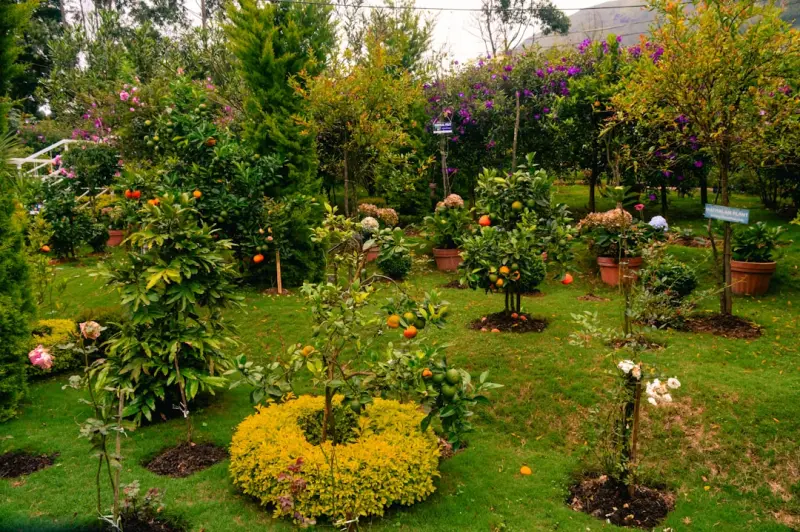
Welcome to the Five‑Senses Garden Revolution
When I first moved into my downtown loft, I thought “garden” meant a few potted herbs on a windowsill. Fast‑forward a year of cramped commutes, late‑night brainstorming sessions, and a growing craving for calm, and I realized I was missing an entire dimension of home life: the senses. What if a garden could be touched, heard, smelled, seen, and tasted all at once? That’s the premise of the five‑senses garden—a deliberately curated space that turns ordinary corners into immersive experiences.
Why a Sensory Garden?
Most home‑garden advice focuses on aesthetics—color palettes, plant pairings, and layout symmetry. While beautiful, those tips often overlook the human experience beyond visual appeal. A garden that engages multiple senses can reduce stress, sharpen focus, and even boost immunity. Science shows that olfactory stimulation (smelling) can trigger memory pathways, while gentle water sounds lower cortisol. By designing with the senses in mind, you create a sanctuary that nurtures mind, body, and spirit—right where you live.
Step 1: Ground the Experience with Tactile Textures
Touch is the most underrated sense in garden design. Choose plants that invite hands‑on interaction:
- Fuzzy Lamb’s Ear (Stachys byzantina)—soft, velvety leaves that feel like a plush blanket.
- Sturdy Succulents like Echeveria—smooth, cool surfaces perfect for a mindful pause.
- Ornamental Grasses such as Fountain Grass—feathery plumes that sway and rustle when brushed.
Install a sensory path using reclaimed wood, river stones, and pea gravel. The contrasting textures underfoot encourage you to slow down and notice the subtle shift from smooth to crunchy as you wander.
Step 2: Curate a Soundscape
Sound can transform a garden from static décor to a living concert. I took a page from the Quiet Corners guide, adapting its acoustic principles for outdoor use. Consider these auditory elements:
- Water Features—a modest tabletop fountain or a recycled bottle water wall creates a gentle, rhythmic murmur.
- Wind‑Chimes made from bamboo or sea glass produce delicate tinkling notes that vary with the breeze.
- Bird‑Attracting Plants—Sunflower, coneflower, and thistle invite feathered visitors, adding natural song.
Strategically place a few rocks or a low wall to reflect sound back into the garden, ensuring the melody is intimate rather than overwhelming.
Step 3: Invite Aromatherapy with Fragrant Flora
Smell is tightly linked to emotion and memory. Select a bouquet of herbs and blooms that release scent at different times of day:
- Lavender—soothing, best for evening wind down.
- Mint—invigorating, perfect for morning energy.
- Sweet Pea—delicate sweetness that emerges mid‑day.
- Rosemary—sharp, herbaceous aroma that sharpens focus.
Plant them in raised beds or pots near seating areas so the fragrance drifts toward you as you settle in. For an extra aromatic punch, add a few dried herb sachets tucked into the bench crevices.
Step 4: Paint with Color and Light
While visual design is a given, think beyond static colors. Incorporate plants that change hue throughout the seasons, and use lighting that accentuates the garden’s texture after dark. I love the ideas from Let the Sun In, especially the concept of “light‑smart” zones—areas where natural sunlight is maximized during the day and soft, warm LED strips glow at night. This duality creates a dynamic visual experience that evolves from sunrise to midnight.
Step 5: Make It Edible—Taste the Garden
Edible plants close the sensory loop. You don’t need a sprawling plot; a few containers can provide fresh bites that complement the garden’s other senses:
- Blueberries—tiny bursts of sweetness that contrast with the tartness of nearby sorrel.
- Edible Flowers like nasturtium and calendula—add color to salads while delivering peppery or citrus notes.
- Herb Mixes—basil, thyme, and oregano for impromptu cooking sessions.
Harvesting your own produce is a tactile and aromatic experience that deepens the connection to your space. Plus, it encourages mindful eating, as you’re literally tasting the garden you cultivated.
Step 6: Integrate Multi‑Sensory Seating
Design seating that reinforces the sensory journey. A reclaimed wooden bench cushioned with natural fiber pillows offers a tactile contrast to stone pathways. Position the bench near the water feature and fragrant herbs, allowing you to hear the flow, inhale the scent, and feel the sun’s warmth. Add a small, weather‑proof speaker playing ambient nature sounds—rainfall, forest whispers, or distant waves—to layer the auditory experience.
Step 7: Seasonal Rotations Keep the Garden Fresh
One of the most rewarding aspects of a five‑senses garden is its ability to reinvent itself with the seasons. Swap out plants to match the time of year:
- Spring—plant early‑blooming crocuses for visual pops and sweet fragrance.
- Summer—introduce sun‑loving marigolds and hummingbird‑friendly zinnias for color and sound.
- Fall—replace bright blooms with deep‑hued ornamental cabbage and rosemary for aromatic warmth.
- Winter—use evergreen dwarf conifers for texture and a few indoor herb pots to keep scent alive.
This rotation ensures each sense has a fresh stimulus, preventing the garden from becoming stale.
Step 8: DIY Projects to Amplify the Sensory Theme
Personalize your garden with simple, low‑cost projects that reinforce each sense:
- Touch Board—mount a wooden board with various natural materials (bark, cork, seashells) for a tactile exploration station.
- Sound Tubes—fill glass bottles with different amounts of water and strike them for chime-like tones.
- Scented Pebbles—coat smooth river stones with essential oil blends and place them among plantings.
- Color-Changing LED Strips—program them to shift hue as the sun sets, creating a visual crescendo.
These projects make the garden feel like an ever‑evolving artwork, inviting both you and your guests to interact more deeply.
Maintaining the Sensory Balance
Like any garden, a five‑senses oasis requires regular care, but the focus shifts from aesthetics to experience:
- Touch—prune plants to maintain soft foliage, remove sharp thorns that could deter interaction.
- Sound—clean water features weekly to prevent stagnant noise, and replace broken chimes.
- Smell—trim overgrown herbs to encourage fresh leaf production.
- Sight—rotate potted plants seasonally for continual visual interest.
- Taste—harvest edibles at peak ripeness and replant to keep the bounty flowing.
Document your garden’s evolution with photos or a short journal. Not only does this track progress, but revisiting past entries can reignite the sensory memories that first inspired you.
Sharing the Experience
Invite friends for a “Sensory Soirée.” Offer small plates featuring garden produce, play a curated playlist of natural sounds, and encourage guests to walk barefoot on the sensory path. The shared experience amplifies the garden’s impact, turning it into a communal space for relaxation and connection.
Final Thoughts
Transforming your home garden into a five‑senses haven isn’t about luxury—it’s about intentional design that honors how we truly experience the world. By thoughtfully selecting tactile plants, curating sound, layering fragrance, playing with light, and incorporating edible delights, you’ll craft an oasis that heals, inspires, and delights every time you step outside. Ready to feel, hear, smell, see, and taste your way to a richer home life? Let the senses guide you.

Miranda Murphy: Experienced freelance writer with a decade of storytelling expertise. Let's create something amazing together!
Related Posts
Garden Desk Revolution: How My Outdoor Workspace Became 2024’s Hottest Home & Garden Trend
Jimmy Damon shares his journey turning a backyard into a thriving office, revealing design secrets, ... Read More
Cultivating a Backyard Office: How a Garden Desk Revives Home Life
From cubicle to garden oasis, I share how a backyard desk reshaped my daily routine, sparked creativ... Read More
Upcycled Garden Art: Turning Trash into Outdoor Treasure
Explore how to transform discarded household objects into beautiful, eco‑friendly garden pieces. F... Read More
Top Posts

Why Data Literacy Is the New Core Skill Every Employee Needs
Data literacy is reshaping workplaces. Learn how to embed it into your career strategy, boost performance, and stay ahead in the evolving job market....Read More

How Biofeedback is Redefining Personal Care
Biofeedback devices now let you read your skin’s signals in real time, turning guesswork into a precise, responsive personal care routine that reduces waste a...Read More

Beyond the Itinerary: Crafting Immersive Sensory Journeys
Explore a fresh travel approach that engages all five senses—from soundscapes and scents to textures and flavors—turning ordinary trips into lasting, immers...Read More

How to Future‑Proof Your Career in the Age of Remote Work
Learn how to thrive in the remote‑work era with actionable tips on branding, skill stacking, workspace design, and negotiation, turning uncertainty into oppor...Read More
0 Comments
Post Comment
You will need to Login or Register to comment on this post!