
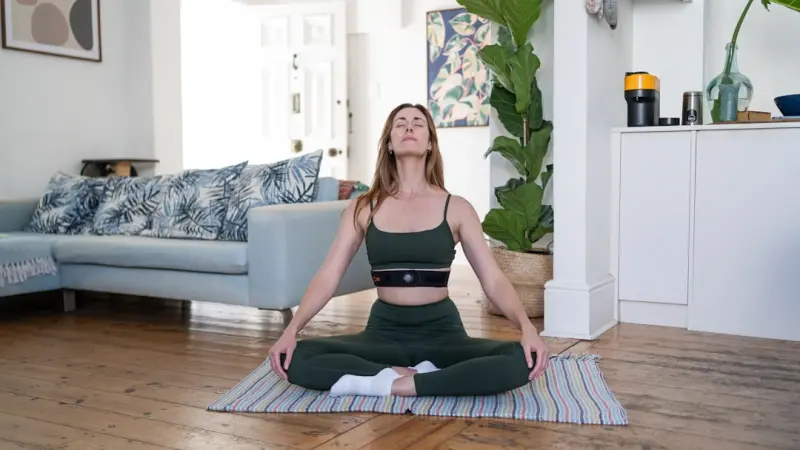
Why Breath is the Unsung Hero of Modern Health
When I first sat down for a client consultation, she told me that she “couldn’t find time to eat right or exercise.” Her eyes widened as she added, “but I can spare a minute to stare at my phone.” In that moment I realized that the most accessible health tool isn’t a gadget or a supplement—it’s the very air we inhale. Breath is the bridge between mind and body, a silent regulator of stress, inflammation, and immune function. Yet, in a world obsessed with macro‑trends, we often overlook the micro‑practice that lives in every heartbeat.
The Science Behind Breath and Immunity
Modern research shows that intentional breathing can modulate the autonomic nervous system, shifting the body from a sympathetic “fight‑or‑flight” state to a parasympathetic “rest‑and‑digest” mode. This transition lowers cortisol, a hormone that, when chronically elevated, suppresses immune cells like natural killer cells and lymphocytes. A 2022 study published in Frontiers in Physiology demonstrated that just ten minutes of slow, diaphragmatic breathing daily increased the activity of these immune cells by up to 30%.
But the benefits don’t stop at cellular defenses. Controlled breath also improves oxygen delivery to tissues, supports lymphatic drainage, and even influences the gut‑brain axis—an emerging pathway linking gut microbiota to mood and immunity. In short, breath is a master key that can unlock a cascade of health‑promoting processes without a single pill.
Three Breath Techniques You Can Master in Minutes
- Box Breathing (4‑4‑4‑4): Inhale for four counts, hold for four, exhale for four, and hold again for four. This rhythmic pattern stabilizes heart rate variability, a predictor of resilience against stress‑related illnesses.
- Coherent Breathing (5‑5): Breathe at a steady five breaths per minute (inhale for six seconds, exhale for six seconds). This aligns the heart and brain, enhancing vagal tone and, consequently, immune surveillance.
- Breath‑to‑Sound (Ujjayi): Slightly constrict the throat while inhaling and exhaling, producing a gentle oceanic sound. The subtle vibration stimulates the vagus nerve, promoting anti‑inflammatory pathways.
Each technique can be practiced anywhere—during a conference call, while waiting for a coffee, or even in the bathroom. The key is consistency, not perfection.
Integrating Breathwork Into a Busy Day
My clients often ask, “How do I fit breathwork into a packed schedule?” The answer lies in micro‑moments. Here are five practical touchpoints:
- Morning Transition: Before reaching for your phone, sit upright for one minute and perform three rounds of Box Breathing.
- Commute Reset: If you’re a passenger, close your eyes and practice Coherent Breathing for two minutes. Drivers can try a single‑handed version—inhale through the nose, exhale through the mouth while keeping eyes on the road.
- Desk Break: Use the “three‑minute rule” after completing a task. Place both hands on your belly, inhale deeply, feel the expansion, and exhale fully.
- Lunch Ritual: Before eating, spend 30 seconds on Breath‑to‑Sound to calm digestion and enhance nutrient absorption.
- Evening Wind‑Down: Finish your day with a five‑minute guided breath meditation, signaling your nervous system to transition into restorative sleep.
Breathwork Meets Other Health Practices
When I pair breathwork with other wellness habits, the synergy is undeniable. For instance, integrating a mind‑body reset routine—like gentle stretching or aromatherapy—creates a holistic environment where breath can do its deepest work. Similarly, adopting hidden home hacks such as a dedicated “breathing corner” with plants and soft lighting enhances focus and reduces environmental stressors.
Even mental health frameworks benefit. While the fresh blueprint for mental health emphasizes digital boundaries and emotional awareness, breath serves as the physiological foundation that supports those psychological strategies.
Common Misconceptions About Breathwork
“It’s only for yoga enthusiasts.” Not true. Breathwork is a neutral tool that anyone can adopt, regardless of flexibility or experience.
“You need special equipment.” All you need is your own lungs and a quiet moment. Optional props like a cushion or a timer can help, but they’re not mandatory.
“It will replace medical treatment.” Breathwork is a complementary practice. It boosts the body’s natural defenses but should not substitute professional medical care when needed.
Getting Started: A Simple 7‑Day Challenge
To make the practice stick, I recommend a week‑long challenge:
- Day 1–2: Practice Box Breathing for two minutes in the morning.
- Day 3–4: Add a five‑minute Coherent Breathing session during lunch.
- Day 5–6: Introduce Breath‑to‑Sound before dinner.
- Day 7: Combine all three techniques in a single ten‑minute routine before bed.
Track your experience in a journal—note changes in mood, energy, and any physical sensations. You’ll likely notice a subtle shift: less irritability, clearer thinking, and a feeling of “lightness” that persists throughout the day.
Closing Thoughts: Breath as a Daily Prescription
If health were a prescription, I’d write it in bold, capital letters: BREATHE. It’s the cheapest, most portable, and scientifically backed tool at our disposal. By honoring each inhale and exhale, we give our bodies the oxygen it craves, calm the nervous system, and empower the immune system to function at its best. So the next time you catch yourself scrolling mindlessly, pause, place a hand on your chest, and let the breath lead you back to vitality.

Karen Edwards is a seasoned freelance writer with a passion for all things furry, feathered, and scaled. With a dedicated focus on pets, she brings a wealth of knowledge and a keen eye for detail to her writing.
Related Posts

Adaptive Napping: Redefining Rest in a Hyperconnected World
Learn to harness short, strategic naps guided by biofeedback and smart habits, turning fragmented da... Read More

Designing Daily Rituals: Small Wins for Big Health Gains
Learn how to build sustainable health habits through micro‑rituals in movement, nutrition, and nig... Read More
When Movement Meets Mind: The Rise of Integrated Outdoor Workouts
Integrated outdoor workouts combine physical exercise, mindfulness, and nature’s restorative power... Read More
Top Posts

Narrative Self‑Compassion: Rewriting Your Inner Story for Mental Well‑Being
Explore the power of narrative self‑compassion, a technique that reshapes your inner dialogue through storytelling, journaling, and gentle reframing, offering...Read More

Turning Employment Gaps Into Strategic Career Accelerators
Discover why employment gaps aren’t career killers but opportunities to showcase growth, build portfolios, and future‑proof your professional journey....Read More

Travel as a Creativity Engine: Turning New Horizons into Fresh Ideas
Explore how stepping into unfamiliar environments can boost creativity, with a practical framework for turning any trip into a catalyst for innovative thinking....Read More

Turning Every Trip into a Living Laboratory
Discover a fresh travel perspective: design small experiments on the road to deepen cultural connections, spark creativity, and bring actionable insights back h...Read More
0 Comments
Post Comment
You will need to Login or Register to comment on this post!