

Why Your Skin’s Microbiome Deserves a Spot on Your Personal Care Priority List
When I first heard the term “microbiome,” my mind jumped straight to gut health, probiotics, and the occasional fermented smoothie. It took a few weeks of stubborn breakouts and a deep dive into scientific journals before I realized that the bustling universe of bacteria living on our skin is just as crucial—if not more so—for the way we look, feel, and age. This isn’t a fleeting wellness fad; it’s a paradigm shift that asks us to treat our bodies like ecosystems rather than machines.
The Science Behind the Skin‑Surfing Community
Every square inch of our skin hosts thousands of species of bacteria, fungi, and viruses that form a delicate balance known as the skin microbiome. These microscopic allies perform essential jobs: they reinforce the skin barrier, fend off pathogens, and even modulate inflammation. When that balance tips—whether from over‑cleansing, harsh chemicals, or environmental stressors—the result can be dryness, irritation, or the dreaded “reactive” rashes.
Researchers have identified Staphylococcus epidermidis as a chief defender that produces antimicrobial peptides, while Cutibacterium acnes (yes, the infamous acne bacterium) can actually keep harmful strains in check when present in the right proportion. The takeaway? Not all bacteria are villains; many are silent guardians.
From Lab Bench to Bathroom Shelf: How Products Are Evolving
The beauty industry is finally catching up. Brands are swapping out traditional preservatives for prebiotic and probiotic formulas that feed the good microbes instead of wiping them out. Look for ingredients like lactobacillus ferment, prebiotic oat beta‑glucan, and fermented botanical extracts. These act as food for your skin’s friendly flora, encouraging them to flourish.
Even packaging is getting a makeover. Airless pumps, recyclable glass, and biodegradable sachets reduce oxidative stress on live cultures, ensuring that the beneficial microbes stay alive from the moment the product is manufactured until it lands on your vanity.
DIY Probiotic Skincare: Lab‑Free Experiments You Can Try Tonight
If you love a hands‑on approach, creating your own probiotic toner or mask can be surprisingly simple. Here’s a quick starter recipe that blends science with the pleasure of a mini‑experiment:
- Ingredients: 2 tbsp raw honey, 1 tbsp plain unsweetened yogurt (look for “live cultures”), 1 tsp apple cider vinegar, a few drops of lavender essential oil (optional for scent).
- Method: Whisk together honey and yogurt until smooth, stir in the vinegar, and finish with the essential oil. Apply with a cotton pad after cleansing and let it sit for 5‑10 minutes before rinsing.
- Why it works: Honey is naturally antimicrobial yet gentle, yogurt delivers live lactobacilli, and the vinegar helps balance pH—creating a welcoming environment for beneficial microbes.
Remember to patch‑test first! Probiotic products are generally well‑tolerated, but everyone’s skin chemistry is unique.
Rethinking Cleansing: Less Is More
Our cultural obsession with “deep cleaning” has turned many of us into walking soap bars. Over‑cleansing strips the skin of its natural oils and the microbes that depend on them for nourishment. The new rule of thumb? Cleanse twice a week, moisturize daily. Choose a gentle, sulfate‑free cleanser that lists hydrolates or prebiotic extracts among its top three ingredients. If you need a quick refresh during the day, a micellar water with a light probiotic boost can replace a full‑face wash without shocking the ecosystem.
The Role of Lifestyle: Food, Stress, and the External Environment
What you eat directly feeds the microbes on your skin. Diets high in refined sugars and processed fats promote dysbiosis (microbial imbalance), while fermented foods—think kimchi, kombucha, and miso—supply the same strains that thrive on your face and arms. Hydration is equally vital; water supports the mucosal barrier that keeps microbes anchored.
Stress, too, has a measurable impact. Cortisol spikes increase skin oil production, creating a feast for opportunistic bacteria. Incorporating short, grounding practices—like a 3‑minute breath pause before brushing your teeth—can lower cortisol and keep the microbial community stable.
Tech‑Enabled Microbiome Monitoring: From Wearables to Apps
While the DIY route is rewarding, technology offers a data‑driven shortcut. Emerging wearable patches can sample skin surface microbes and sync with smartphone apps, giving you a daily “microbiome score.” These insights let you adjust product choices on the fly, preventing over‑use of harsh actives that could destabilize the balance.
If you’re curious about the practical side, check out AI‑driven skin analysis tools that compare your microbiome readout against a global database, suggesting personalized product blends and lifestyle tweaks.
Building a Sustainable Personal Care Routine
Integrating microbiome‑friendly habits doesn’t have to feel like another checklist. Think of it as curating a lifestyle that honors the tiny allies you host. Start by:
- Audit your current products—remove anything with parabens, sulfates, or synthetic fragrances.
- Swap to a probiotic cleanser and a prebiotic moisturizer.
- Introduce one fermented food into your meals each day.
- Set a weekly “microbiome pause”: a 15‑minute shower where you use lukewarm water, a gentle cleanser, and finish with a probiotic spray.
Within a month, many report smoother texture, reduced redness, and a subtle glow that feels more like a healthy radiance than a cosmetic effect.
Future Outlook: The Rise of “Micro‑Friendly” Certifications
Just as we have “organic” or “cruelty‑free” stamps, the next wave of labeling will likely highlight microbiome safety. Expect to see logos that certify a product has been tested for impact on skin flora, similar to how sunscreens earn “broad‑spectrum” approval. Keeping an eye on these emerging standards will help you make smarter choices without needing a science degree.
Conclusion: Embrace the Tiny Tribe on Your Skin
Personal care has always been about feeling good in our own skin. By acknowledging the invisible community that lives there, we shift from a battle‑centric mindset to a partnership model. Your skin isn’t just a canvas for makeup; it’s a living landscape that thrives when fed, protected, and respected. The next time you reach for that new serum, ask yourself: Is this feeding my microbes or starving them? The answer could be the difference between a fleeting trend and a lifelong glow.

Steph Sanderson is a Toronto-based freelance writer and content creator with a clear passion: crafting compelling articles. With a dedication to clear, engaging prose and a knack for storytelling, Steph brings a wealth of experience to every project.
Related Posts
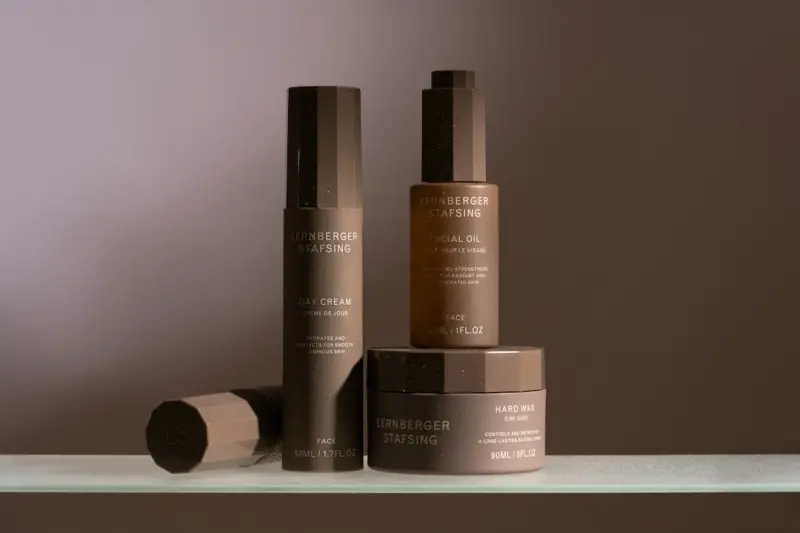
Microbiome Magic: Nurturing Your Skin’s Invisible Allies for Better Personal Care
Learn how to treat your skin’s microbiome as a partner in personal care with practical routines, p... Read More
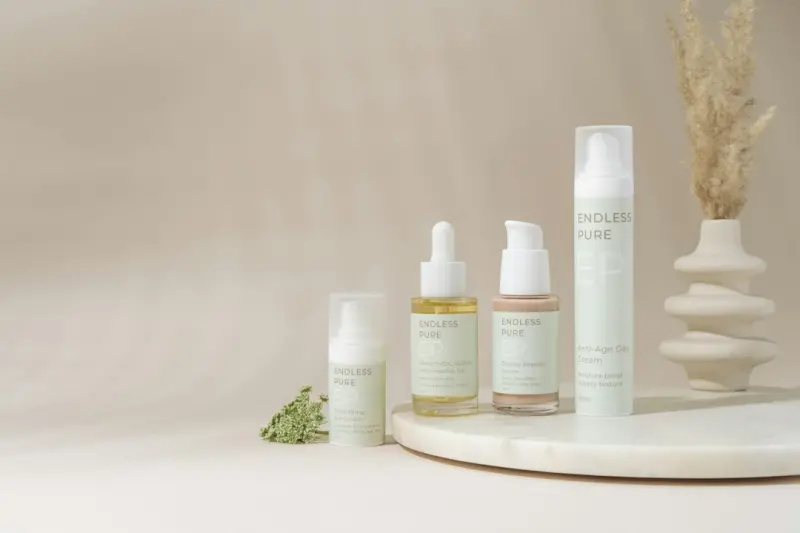
Adaptogenic Skincare: Harnessing Nature’s Stress‑Busters for Modern Personal Care
Adaptogenic skincare blends ancient herbal wisdom with modern science, offering a holistic approach ... Read More

Breathing Into Your Routine: Elevate Personal Care with Intentional Breathwork
Learn to integrate simple breathwork techniques into your daily personal care regimen, enhancing ski... Read More
Top Posts

Traveling Light, Living Rich: A Business Traveler’s Guide to Capsule Packing and Experiential Flow
A business traveler’s roadmap to lighter luggage, smarter networking, and immersive micro‑experiences, showing how capsule packing and mindful travel habits...Read More

Garden Desks: The Employment Revolution Changing Work in 2026
Explore the rise of garden desks and how this outdoor workspace trend is transforming employee well‑being, talent attraction, and company profits in 2026....Read More

The Secret World of Soil Microbes: Transform Your Home Garden
Explore the hidden ecosystem beneath your garden soil and learn practical, tech‑savvy ways to nurture beneficial microbes for healthier plants, richer harvest...Read More

Micro‑Movement: Turning Everyday Moments into a Health‑Boosting Habit
Micro‑movement turns everyday pauses into health‑enhancing actions. Learn practical, equipment‑free moves, habit‑building tips, and how to pair them wit...Read More
0 Comments
Post Comment
You will need to Login or Register to comment on this post!