
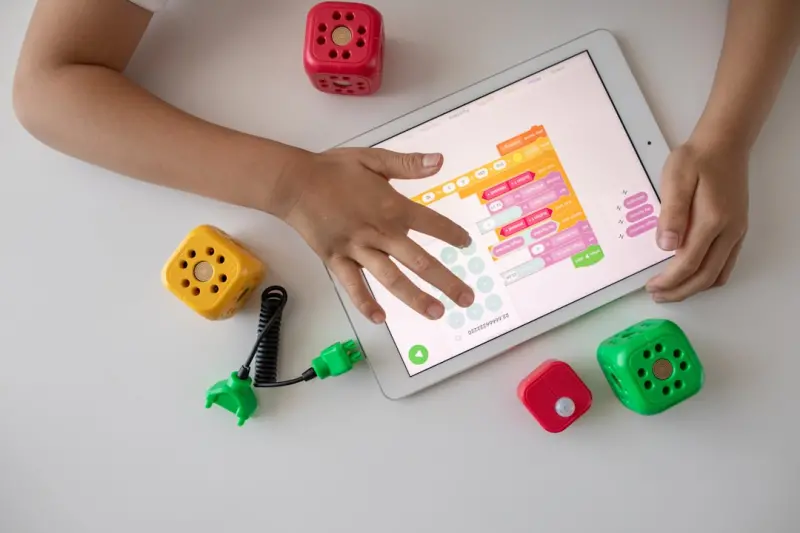
Playful Productivity: Turning Structured Play into a Mental Health Super‑Tool
When I first heard the phrase “playful productivity,” I imagined a whimsical office equipped with hammocks, ping‑pong tables, and a steady supply of office‑wide trivia nights. That’s the stereotype. The deeper truth—one I’ve uncovered through years of navigating high‑pressure roles and the inevitable mental fatigue that follows—is that play isn’t just a pleasant distraction. It’s a scientifically grounded strategy that can reshape how we experience stress, focus, and overall mental well‑being.
In this post, I’m pulling back the curtain on why structured play, when purposefully designed, becomes a mental‑health catalyst for knowledge workers, creatives, and anyone who spends a significant portion of the day staring at a screen. I’ll walk through the neuroscience, share actionable play‑templates, and even sprinkle in a couple of complementary tools—like biofeedback tools and cold exposure techniques—that amplify the benefits.
Why Play Works: The Science of the Brain on the Recess Break
Our brains evolved in environments where periods of intense focus were interspersed with short bouts of rest or playful activity. This rhythm—often called the ultradian cycle—averages about 90–120 minutes of high‑alert performance followed by a brief recovery phase. When we ignore this natural cadence, we overload the prefrontal cortex, leading to decision fatigue, reduced working memory, and a cascade of cortisol spikes.
- Neuroplasticity boost: Playful tasks engage the dopaminergic reward system. Dopamine not only feels good; it primes the brain to form new connections, which is critical for learning and emotional regulation.
- Stress buffering: Laughter and light‑hearted challenges stimulate the parasympathetic nervous system, the counterpart to the “fight‑or‑flight” response. This reduces heart‑rate variability, a proven biomarker for chronic stress.
- Attention reset: Short, divergent activities—like a 5‑minute sketch or a rapid brainstorming game—activate the default mode network, a brain region linked to insight and creative problem solving.
In short, the brain rewards play. It’s not a luxury; it’s a neuro‑maintenance routine that restores mental bandwidth.
From Idea to Implementation: Designing Structured Play at Work
“Structured” is the keyword that separates meaningful play from idle distraction. Below is a step‑by‑step framework you can adapt to any team size or industry.
- Identify the friction points. Map moments in the day where focus drops—post‑meeting fatigue, long‑form data analysis, or repetitive email sorting. These are the perfect windows for a play micro‑session.
- Select a play modality that matches the friction. For cognitive overload, choose a short‑term problem‑solving game (e.g., a 3‑minute puzzle). For emotional depletion, opt for a physical movement burst (e.g., a 1‑minute dance or a quick stretch).
- Set a clear, time‑boxed rule. The magic number is often 5‑10 minutes. Use a timer, announce the start and end loud, and keep the activity focused. The purpose is a reset, not a deep‑dive.
- Integrate a feedback loop. After each session, ask a quick reflection question: “What unexpected insight did I get?” or “How do I feel now versus before?” Recording this data over weeks surfaces patterns that can be refined.
- Scale responsibly. As the practice proves its ROI (often seen in a 10‑15 % boost in meeting engagement or a measurable drop in self‑reported stress), expand it to other teams, tailoring the play style to each group’s culture.
Below are three play templates that have worked across a spectrum of roles, from software engineers to product marketers.
1. The “Idea‑Swap Sprint” (Cognitive Refresh)
Gather 3‑5 colleagues, each armed with a sticky note bearing a current challenge. Set a 7‑minute timer. Participants rotate notes, adding a fresh angle or a question to the original problem. At the end, everyone returns to their starting point with a new perspective.
Why it works: The rapid change of context forces the brain to approach the problem from a novel angle, engaging both the left (analytical) and right (creative) hemispheres simultaneously. The time pressure adds a gamified element, spiking dopamine.
2. The “Micro‑Movement Jam” (Emotional Reset)
Every two hours, a 2‑minute “movement jam” is announced. Team members stand, stretch, or do a quick rhythmic motion (e.g., a hand‑clap pattern). The activity can be set to a catchy beat played through a speaker. No special equipment needed.
Why it works: Physical activity triggers the release of endorphins and reduces cortisol. The synchronized aspect promotes a sense of belonging, which is a proven buffer against workplace anxiety.
3. The “Story‑Dice Challenge” (Social Connection)
Provide a set of dice with icons (e.g., a sun, a key, a rocket). In pairs, roll the dice and craft a 30‑second story that incorporates the symbols and relates to a work‑related theme (such as “launching a new feature”). The sillier the story, the better.
Why it works: Narrative building engages the limbic system, the seat of emotions, while the absurdity reduces self‑consciousness. This low‑stakes storytelling encourages empathy and breaks down hierarchical barriers.
Measuring the Impact: Data‑Driven Play
Implementing play without measurement is like building a house without a blueprint. Here’s how to quantify the mental‑health lift:
- Self‑reported mood surveys (on a 1‑10 scale) taken before and after play sessions, captured in a simple spreadsheet.
- Physiological markers—if you have access to biofeedback tools, measure heart‑rate variability (HRV) pre‑ and post‑play. Increases in HRV correlate with stress reduction.
- Productivity metrics such as the number of tickets closed per hour or the time taken to resolve a bug, compared across weeks with and without structured play.
- Retention and absenteeism rates. Over a quarter, you may see a subtle rise in attendance and a drop in turnover intention scores—signs that mental‑health interventions are working.
When you see measurable gains, the argument for scaling play becomes an easy win with leadership.
Complementary Practices: Amplifying the Play Effect
Play is a powerful standalone strategy, but pairing it with other evidence‑based practices can produce an even stronger mental‑health stack.
Biofeedback Integration
Using a simple wearable that tracks HRV, you can set a daily “baseline” during a focused work period. When the device signals heightened stress (low HRV), it can prompt a micro‑play session. This closed feedback loop reinforces the habit and ensures play is deployed exactly when it’s needed most.
Cold Exposure for Resilience
Cold exposure—think a 30‑second face‑water splash or a brief, controlled cold shower—stimulates the sympathetic nervous system, increasing norepinephrine levels. This neurochemical spike improves alertness and, paradoxically, can heighten the pleasure derived from subsequent play, much like a pre‑game warm‑up.
Pair a cold exposure technique with a movement jam: a quick cold splash, followed by a two‑minute dance, yields a surge of neurotransmitters that primes the brain for both focus and joy.
Micro‑Journaling for Reflection
After each play session, spend 30 seconds jotting down three bullet points: the activity, a key insight, and an emotional check‑in (“I feel lighter,” “I’m more focused,” etc.). Over weeks, patterns emerge that can guide future play choices and also serve as a personal mental‑health log.
Addressing Common Concerns
“Play feels unprofessional.” The perception that play is a waste of time stems from a culture that glorifies constant busyness. By framing play as a performance‑enhancing micro‑break—backed by data—you shift the narrative from frivolous to strategic.
“Our team is too diverse for a one‑size‑fits‑all play.” The structured play framework is adaptable. The key is to let teams select modalities that resonate with their unique dynamics. The play templates above are starting points; the real innovation happens when a team invents its own version.
“I’m too overwhelmed to add more to my schedule.” The premise of play is that it replaces—not adds—to existing downtime. A 5‑minute sprint can fit between a meeting and a deep‑work block, effectively compressing the overall time needed to achieve the same outcome.
Building a Play‑Friendly Culture: Leadership’s Role
Leaders set the tone. When a manager initiates a play session or publicly shares a personal anecdote about how a brief game helped them navigate a stressful deadline, it validates the practice for the whole team. Consider these leadership actions:
- Model participation. Join the micro‑movement jam yourself; it signals that the activity is not a “senior‑only” perk.
- Celebrate wins. Highlight a case where a play‑driven insight led to a product improvement or a smoother client interaction.
- Provide resources. Offer a small “play kit” (dice, cards, a mini‑whiteboard) in the office or a digital repository of virtual games for remote teams.
- Encourage autonomy. Allow teams to experiment with timing and format without rigid mandates.
When play is endorsed from the top down, it transcends being a novelty and becomes part of the organizational DNA.
Conclusion: Play as a Sustainable Mental‑Health Strategy
We spend a massive portion of our lives in mental‑energy‑draining environments. Traditional wellness programs—yoga classes, meditation rooms, or occasional therapy sessions—are valuable, but they often operate on a separate track from daily work rhythms. Structured play, on the other hand, weaves mental‑health support directly into the fabric of our day‑to‑day tasks.
By understanding the neuroscience, deploying a repeatable play framework, and measuring outcomes, you can turn a simple, joyful activity into a robust mental‑health super‑tool. Pair it with complementary tactics like biofeedback monitoring and occasional cold exposure, and you’ll have a holistic resilience stack that not only mitigates stress but also amplifies creativity, collaboration, and overall performance.
If you’ve been skeptical, I challenge you to try a 7‑minute Idea‑Swap Sprint tomorrow. Record your mood before and after, and watch how a few minutes of purposeful fun can ripple across the rest of your day. The brain loves play; it’s time we gave it the permission to thrive—at work, at home, and everywhere in between.

Steph Sanderson is a Toronto-based freelance writer and content creator with a clear passion: crafting compelling articles. With a dedication to clear, engaging prose and a knack for storytelling, Steph brings a wealth of experience to every project.
Related Posts
Micro‑Moment Mindfulness: Tiny Pauses for Big Mental Resilience
Discover the power of micro‑moment mindfulness—brief, intentional pauses that reset your brain, ... Read More
Playful Reset: Using Curiosity to Defuse Modern Stress
Learn to turn everyday moments into playful resets, using curiosity, micro‑movement, and sensory t... Read More

Storytelling as Therapy: Rewriting Your Inner Narrative
Explore how turning everyday experiences into personal stories can transform stress into growth, usi... Read More
Top Posts

AI as Your Personal Knowledge Concierge: Turning Data Overload into Insightful Action
Explore the emerging role of AI as a personal knowledge concierge that transforms massive data streams into coherent, context‑aware insights, helping professi...Read More

Breathe Better at Home: Practical Steps to Elevate Indoor Air Quality
A step‑by‑step guide shows how to enhance indoor air quality through ventilation, houseplants, DIY filters, smart sensors, and daily habits, creating a heal...Read More

Micro‑Branding Your Career: Turning Small Signals into Big Opportunities
Learn how to craft a compelling professional narrative, leverage personal projects, and use micro‑branding tactics to stand out in today’s competitive job m...Read More
Strategic Sabbaticals: Turning Time Off into Talent Gains
A deep dive into why strategic sabbaticals are becoming essential for modern employers, outlining benefits, implementation steps, and real‑world success stori...Read More
0 Comments
Post Comment
You will need to Login or Register to comment on this post!