
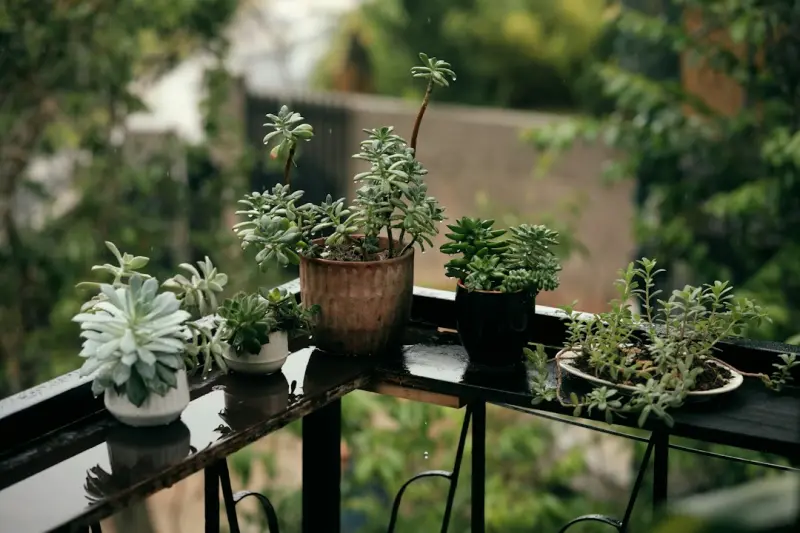
Why Your Balcony Deserves a Second Chance
When I first moved into my downtown apartment, the balcony was nothing more than a concrete ledge with a solitary potted cactus. I treated it like a decorative afterthought—a place to hang laundry or set down a coffee cup. It wasn’t until a neighbor invited me over for a rooftop herb tasting that I realized the untapped potential sitting right outside my front door. Suddenly, my balcony was no longer a neglected strip of concrete; it became a canvas for a year‑round food oasis.
Reframing Space: From “Balcony” to “Micro‑Farm”
Most of us think of balconies as purely aesthetic extensions, but they’re also micro‑climates that can be coaxed into productive habitats. The key is to shift your mindset: instead of “What can I put here for decoration?” ask “What can I grow here that will feed me, nourish me, or bring me joy?” This mental pivot opens the door to a world of possibilities, from fresh herbs that elevate a simple pasta sauce to dwarf fruit trees that surprise you with a sweet harvest each summer.
Assessing Your Micro‑Climate
Every balcony has its own personality—sun exposure, wind patterns, and shelter from the elements all play a role. Take a week to observe:
- Sunlight: Does your space bask in direct sun for 6‑8 hours, or is it shaded most of the day? South‑facing balconies typically receive the most light, while east‑ or west‑facing ones may have a gentler, intermittent glow.
- Wind: High‑rise balconies often feel wind‑tunnelled. A simple windbreak—such as a trellis with climbing vines—can protect delicate seedlings.
- Heat Retention: Concrete radiates heat, which can be a blessing in cooler months but a curse during scorching summers. Consider reflective trays or light‑colored pots to moderate temperature.
Understanding these variables lets you match plant selections to the conditions you can reliably provide.
Selecting the Right Plants for Small Spaces
When space is at a premium, every plant must earn its spot. Choose varieties that are compact, high‑yielding, and suited to container life. Some favorites that consistently thrive on balconies include:
- Herbs: Basil, thyme, parsley, and cilantro are compact, fast‑growing, and harvested continuously.
- Leafy Greens: Arugula, spinach, and baby kale can be harvested leaf‑by‑leaf, providing fresh salads year‑round.
- Dwarf Fruit: Varieties like “Little Miracle” dwarf apple or “Red Dwarf” cherry tomato plants are bred for container growth.
- Edible Flowers: Nasturtiums and calendula not only add color but also bring a peppery bite to salads.
Mixing these plants creates a balanced ecosystem—herbs can act as companion plants, repelling pests that might otherwise target your greens.
Smart Container Strategies
Choosing the right containers is more than a matter of aesthetics. Opt for pots with good drainage, and consider stacking or tiered systems to maximize vertical space. Here are three container ideas that work wonders on tight balconies:
- Self‑Watering Planters: These reservoirs supply moisture slowly, reducing the frequency of watering—perfect for busy households.
- Wall‑Mounted Pocket Gardens: Fabric or felt pockets cling to railings, turning vertical real estate into a lush tapestry.
- Rail‑Mounted Tiered Trays: Multi‑level trays let you grow shallow‑rooted herbs on the top tier while reserving deeper pots for root‑heavy vegetables.
Don’t forget to line the bottom of each pot with a layer of gravel or broken pottery shards; this prevents waterlogging and protects the balcony’s flooring.
Seasonal Planning: Extending the Harvest Calendar
One of the biggest challenges of balcony gardening is the short growing season in many climates. To keep the bounty flowing, plan a staggered planting schedule:
- Spring: Start with fast‑growing radishes, lettuce, and herbs. They’ll be ready for harvest in just a few weeks.
- Summer: Transition to heat‑tolerant tomatoes, peppers, and eggplants. Use shade cloths during peak afternoon sun to prevent scorching.
- Fall: Swap in cool‑season crops like kale, mustard greens, and Swiss chard, which thrive as temperatures dip.
- Winter (if mild): Keep a few hardy herbs like rosemary and thyme in insulated containers, or bring pots indoors on a sunny windowsill.
This rotation not only maximizes yield but also keeps pests and diseases from establishing a foothold.
Water Management Without the Hassle
Balconies often lack easy access to a drip line, but that doesn’t mean you have to become a watering martyr. Here are three low‑maintenance methods:
- Rainwater Barrels: Small, decorative barrels can collect runoff from the building’s roof, providing a free water source.
- Capillary Mats: Place a moisture‑retaining mat under pots; it draws water up as needed, keeping roots hydrated.
- Timer‑Controlled Misters: Pair a small pump with a timer to deliver a fine mist at dawn and dusk, mimicking natural dew.
Efficient watering not only saves you time but also reduces the risk of fungal issues—a subtle nod to the smart home hygiene guide that reminds us clean environments are healthy environments.
Integrating Design: Aesthetic Meets Function
Balcony farming isn’t just about food; it’s also a design statement. Incorporate natural textures—bamboo trellises, reclaimed wood shelves, and woven rattan chairs—to create a cohesive look. Add LED string lights or solar lanterns for evening ambience, turning your garden into a nocturnal retreat. A touch of greenery also contributes to the home flow tricks that improve overall well‑being.
Companion Planting and Natural Pest Control
One of the most rewarding aspects of balcony gardening is learning how plants can protect each other. Plant marigolds alongside tomatoes to deter nematodes, or intersperse basil with peppers to repel aphids. If you notice a few unwelcome visitors, reach for a homemade spray of diluted neem oil or a soap‑water mixture—both safe for edibles and effective against soft‑bodied insects.
Harvesting with Intention
Harvesting is an act of mindfulness. Pinch off herbs just before they flower to maintain a bushy growth habit, and pick leaves from the outer edges of lettuce to encourage new shoots. When you harvest, you’re not just taking food; you’re reinforcing a relationship with the space that nurtures you.
From Balcony to Table: Simple Recipes
There’s nothing like a salad made from ingredients you tended yourself. Try this quick three‑ingredient vinaigrette:
- 2 tablespoons fresh lemon juice (from your balcony lemon tree).
- 1 tablespoon extra‑virgin olive oil.
- Pinch of sea salt and a handful of chopped basil.
Whisk together, drizzle over mixed greens, and savor the immediacy of garden‑to‑plate freshness.
Community and Sharing the Joy
Balcony gardens often become conversation starters. Invite neighbors for a “balcony brunch” where everyone shares a dish featuring their homegrown produce. Not only does this strengthen community bonds, but it also creates a supportive network for swapping seeds, tips, and even surplus harvests.
Scaling Up: When One Balcony Isn’t Enough
If your balcony starts to feel cramped, consider expanding your green footprint to other overlooked spaces: windowsills, stair railings, or even the interior of a living room garden inspiration. By treating your entire home as a garden, you create a seamless flow of nature throughout your living environment.
Final Thoughts: A Tiny Terrace, A Big Impact
Turning a modest balcony into a micro‑farm isn’t just a trend; it’s a lifestyle shift that connects you to the food you eat, the seasons you live through, and the community around you. With thoughtful planning, clever use of containers, and a dash of creative design, you can harvest fresh flavors, boost your well‑being, and turn that overlooked ledge into the most vibrant part of your home.

Armed with a degree in English Literature, Jill’s journey into the digital space wasn't just a career move; it was a natural extension of her lifelong love affair with storytelling. While some writers view search engine optimization (SEO) as a rigid constraint, Jill sees it as a creative puzzle. She understands the delicate art of balancing the algorithmic demands of search engines with the human desire for resonance, emotion, and value. To Jill, keywords aren't just targets to hit; they are the breadcrumbs that lead eager readers straight to the answers they’ve been searching for.
Related Posts

Crafting a Five‑Sense Garden Oasis at Home
Learn to build a five‑sense garden that transforms your outdoor space into a year‑round sanctuar... Read More
Smart Garden Revolution: An Intelligent Yard
Learn to upgrade your outdoor space with smart sensors, automated irrigation, solar lighting, and ap... Read More
Cultivating a Backyard Oasis: Practical Tips for Home Gardeners
Discover how to turn any yard into a living library, blending storytelling, sustainable practices, a... Read More
Top Posts

Intentional Daydreaming: A Hidden Tool for Mental Resilience
Structured daydreaming turns idle mind‑wandering into a purposeful mental workout, offering measurable benefits for stress reduction, creativity, and overall ...Read More

AI‑Powered Playbooks: Redefining SaaS Customer Success
Generative AI is turning static customer‑success playbooks into living, adaptive guides. Learn how SaaS teams can harness AI to boost retention, accelerate up...Read More

Reviving the Forgotten Conservatory: Modern Ways to Blend Indoor Elegance with Outdoor Freshness
A fresh look at the conservatory shows how to modernize this historic glass structure, turning it into a year‑round oasis for work, relaxation, and gardening ...Read More

Why Breathwork Should Be Your Office Super‑Power
Learn why intentional breathing is the most accessible health tool for office professionals, backed by science, real‑world case studies, and a 30‑day challe...Read More
0 Comments
Post Comment
You will need to Login or Register to comment on this post!