
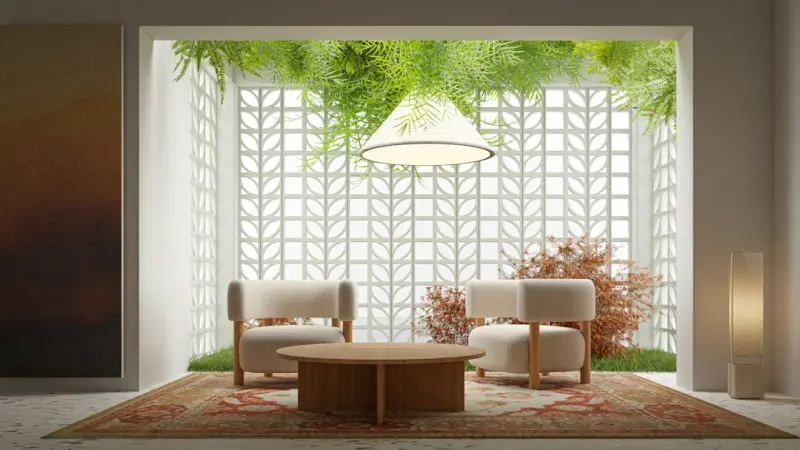
Why an Indoor Garden Belongs in Your Living Room
Most of us think of a garden as a backyard luxury, a patch of soil waiting for sunrise, or a balcony with a few hardy succulents. Yet the living room—our primary gathering space—has become a surprisingly fertile ground for a new kind of green oasis. When you weave foliage into the heart of your home, you’re not just adding visual appeal; you’re engineering a micro‑climate that improves air quality, reduces stress, and subtly reshapes the way light moves through the room. This shift from “outside‑only” gardening to an indoor‑first mindset aligns with the broader trend of biophilic design, where the natural world becomes an active participant in our daily routines.
Re‑thinking Space: From Furniture Layout to Plant Placement
The first step is to look at your living room as a canvas of zones rather than a monolithic area. Ask yourself: where do you sit, read, entertain, and unwind? Each of these activities benefits from a slightly different plant palette. For a reading nook, consider a tall, slow‑growing fiddle‑leaf fig (Ficus lyrata) that frames the space without overwhelming it. In a conversation area, a cluster of low‑light tolerant pothos or philodendrons can create a soft backdrop that invites eye contact without distraction. By mapping out these functional zones, you can place foliage where it naturally supports the activity—enhancing focus, encouraging relaxation, or simply providing a pleasant visual break.
Choosing Plants That Thrive Indoors (And On Your Schedule)
Not everyone has a green thumb, and that’s okay. The secret to a successful indoor garden lies in selecting species that match the lighting, humidity, and temperature conditions of your living room. Here’s a quick cheat‑sheet:
- Low Light Heroes: Snake plant, ZZ plant, cast iron plant—these tolerate dim corners and only need watering once a month.
- Medium Light All‑Rounders: Spider plant, pothos, peace lily—ideal for windows that get filtered sunlight.
- Bright Light Lovers: Herbs like basil, rosemary, and thyme; as well as succulents such as aloe and echeveria.
- Air‑Purifying Picks: Boston fern, rubber plant, and dracaena are proven to absorb volatile organic compounds (VOCs).
When you pair the right plant with the right spot, the maintenance drops dramatically, making the garden feel almost self‑sustaining.
Smart Light Solutions: Mimicking the Sun When It Won’t Shine
Living rooms often have large windows, but the orientation can leave parts of the room in perpetual shade. This is where home flow techniques meet horticulture. Full‑spectrum LED grow lights can be discreetly mounted on shelves or hidden behind decorative frames. Set them on a timer that mirrors natural daylight—six hours of bright “morning” light, followed by a softer “evening” glow. Many modern units connect to smart home hubs, allowing you to adjust intensity via voice commands or a phone app, ensuring your plants get the photons they need without the guesswork.
Watering Smarts: From Manual Mist to Automated Drip
Over‑watering is the most common rookie mistake. To avoid it, consider a few low‑tech and high‑tech options:
- Self‑watering pots: These containers have a reservoir that releases moisture gradually, perfect for forgetful owners.
- Capillary mats: Place a mat beneath a group of plants; it draws water up through the soil via capillary action.
- Smart moisture sensors: Bluetooth‑enabled probes send real‑time soil moisture data to your phone, prompting you only when the soil truly needs attention.
By integrating one of these systems, you turn watering from a chore into a data‑driven habit.
Design Principles: Layering, Texture, and Flow
Just as a painter considers foreground, middle ground, and background, an indoor garden benefits from layered planting. Position tall, architectural pieces at the back to draw the eye upward, medium‑height foliage in the middle for depth, and trailing or ground‑cover plants up front to soften edges. Mix leaf shapes—broad, glossy leaves juxtaposed with feathery, fine‑textured fronds—to add visual intrigue. This layering not only creates a sense of depth but also encourages a natural flow of energy throughout the room, echoing the concept of quiet corner garden ideas that turn a simple space into a sanctuary.
Sustainable Materials: Green Up, Waste Down
When you’re already investing in a greener lifestyle, why not make the supporting elements eco‑friendly? Opt for reclaimed wood shelves, bamboo planters, or repurposed glass jars for mini‑terrariums. Even the soil mix can be sourced responsibly—look for compost blends that incorporate coconut coir, a by‑product of the coconut industry that replaces peat moss and reduces carbon footprints. Using these sustainable materials reinforces the environmental message of your indoor garden and often adds an artisanal charm that mass‑produced items lack.
DIY Projects for the Beginner: From Shelf to Green Wall
If you’re hesitant about a full‑scale installation, start small with a few DIY projects that build confidence:
- Floating Shelf Garden: Install a narrow floating shelf at eye level, line it with waterproof liner, and arrange a collection of trailing plants. This creates a living artwork that can be swapped out seasonally.
- Hanging Terrarium Cluster: Repurpose old light bulbs or glass globes, fill them with tiny succulents and moss, and hang them from ceiling hooks for a floating forest effect.
- Mini Herb Garden: Use a shallow wooden crate as a countertop herb station. Plant basil, mint, and chives for fresh cooking ingredients and aromatic benefits.
These projects require minimal tools, a modest budget, and can be completed in an afternoon, giving you immediate gratification and a foundation to expand later.
Integrating Tech Without Overcomplicating
Technology can enhance your indoor garden, but the goal is to keep it intuitive. Consider these streamlined solutions:
- Voice‑controlled lighting: Pair your LED grow lights with a smart speaker. A simple “Hey Alexa, turn on garden lights” sets the scene instantly.
- App‑based plant care reminders: Apps like PlantSnap or Gardenia let you catalog each plant, set watering schedules, and receive pest alerts.
- Ambient sound integration: While you won’t be turning sound into skin, background nature sounds (rain, forest ambience) can reinforce the biophilic experience, making the living room feel like a tranquil retreat.
These tools are optional, not mandatory—if you prefer a low‑tech approach, focus on the basics of light, water, and placement.
Maintenance Made Simple: A Weekly Rhythm
Think of indoor garden care as a short, rhythmic ritual rather than a massive overhaul. A 10‑minute weekly check can keep everything thriving:
- Inspect leaves: Look for yellowing or dust; wipe gently with a damp cloth if needed.
- Check soil moisture: Use your finger or a sensor to gauge whether watering is required.
- Rotate pots: Turn each plant a quarter turn to ensure even light exposure.
- Prune dead growth: Remove any wilted stems to encourage new growth and prevent disease.
By keeping the routine short, you’re more likely to stay consistent, and the plants reward you with lush, vibrant foliage.
Beyond the Living Room: Extending the Garden to Adjacent Spaces
Once you’ve mastered the living room garden, you can let the green wave spill into adjoining areas. A hallway can become a “plant corridor” with narrow planters on each side, while a kitchen can adopt a vertical herb wall that doubles as a cooking aid. Even the bathroom benefits from moisture‑loving ferns that thrive in humid conditions. This holistic approach turns your entire home into a cohesive ecosystem, reinforcing the sense of continuity and calm that a single garden spot can’t achieve alone.
Conclusion: Your Living Room, Your Personal Eden
Creating an indoor garden isn’t about turning your living room into a greenhouse; it’s about weaving nature into the fabric of everyday life. By selecting the right plants, leveraging smart lighting and watering solutions, and applying thoughtful design principles, you can craft a green sanctuary that feels both effortless and rewarding. The result is a living space that breathes, heals, and inspires—no matter how busy your schedule or how limited your gardening experience.

David Moore is a freelance writer specializing in two dynamic and ever-evolving fields: gambling and the tech industry. With a keen eye for detail and a knack for unraveling complex topics, David delivers insightful and engaging content that keeps readers informed and entertained.
Related Posts
Revitalize Your Home with Upcycled Furniture and Natural Touches
Explore three easy upcycling projects—pallet coffee table, crate wall storage, and bottle-light pe... Read More
From Backyard to Lounge: Crafting a Year‑Round Outdoor Living Room
Transform your backyard or balcony into a year‑round lounge with strategic design, vertical garden... Read More
Cultivating Calm: How to Design a Home Sanctuary That Nourishes Body and Mind
Learn how to transform everyday spaces into calming sanctuaries with intentional plant choices, tact... Read More
Top Posts

When AI Becomes Your Quiet Co‑Creator: Rethinking Decision‑Making in the Modern Enterprise
A fresh look at AI as a quiet co‑creator that enhances decision‑making without overwhelming users, offering context‑aware insights, empathy‑driven promp...Read More

Remote‑Work Hubs: Redefining Travel for the Modern Nomad
Remote‑work hubs are emerging as vibrant ecosystems where professionals can stay productive while immersing themselves in local culture, community, and advent...Read More

Rewriting Your Inner Narrative: A Data‑Driven Path to Mental Well‑Being
Learn how to blend personal metrics with storytelling to create a powerful, data‑driven approach to mental health, turning numbers into actionable narratives ...Read More

AI as a Creative Partner: Redefining How We Make Art
Explore the untapped potential of AI as a collaborator, not a tool—learn how generative models inspire new art forms, streamline creative processes, and empow...Read More
0 Comments
Post Comment
You will need to Login or Register to comment on this post!