
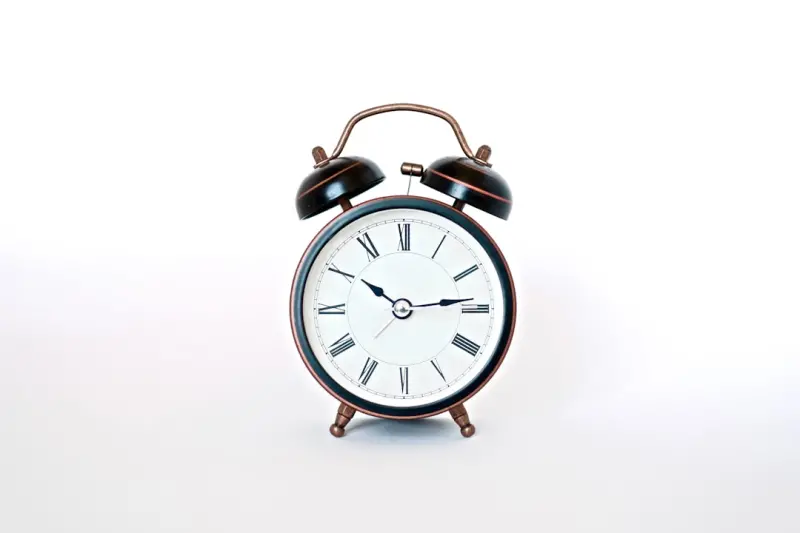
Why Your Body’s Internal Clock Deserves a Reset
Living in a world that blurs the line between sunrise and midnight, we’ve become strangers to our own biology. Our internal clock—the circadian rhythm—regulates everything from hormone release to metabolism, yet most of us ignore its silent commands. When we let work emails, social feeds, and endless notifications dictate our day, we create a chronic mismatch that shows up as fatigue, brain fog, and even weight gain. I’ve spent the past year experimenting with small, deliberate shifts that honor this rhythm, and the payoff has been nothing short of transformative. By simply re‑examining when we eat, move, and unplug, we can tap into a well‑spring of energy that no supplement can replicate. The secret isn’t a radical diet or a marathon workout; it’s a series of intentional, repeatable habits that sync us back to nature’s tempo.
The Power of Light: Re‑Calibrating Your Sleep‑Wake Cycle
One of the most potent cues for our circadian system is light, especially blue wavelengths that dominate our screens. When we expose ourselves to bright artificial light after sunset, we trick the brain into thinking it’s still daytime, suppressing melatonin and delaying sleep onset. I started a simple experiment: turning off all non‑essential lights an hour before bed and swapping my phone for a dim amber lamp. Within a week, I noticed I fell asleep faster and woke up feeling truly refreshed. The science backs this up—research shows that consistent exposure to natural daylight in the morning and darkness at night can improve sleep quality by up to 30 %. To make this habit stick, I place a small “sunset alarm” on my phone, reminding me to dim the lights. It’s a tiny nudge, but it realigns the body’s internal clock without any costly gadgets.
Digital Sunset: Creating a Screen Curfew That Works
Modern life convinces us that we must stay connected 24/7, but the cost to our health is steep. A digital sunset—a deliberate cutoff for screens—acts as a buffer that allows the brain to transition into rest mode. I began by setting my laptop to “night mode” at 8 p.m. and using the built‑in grayscale filter on my phone after 9 p.m. The visual dulling reduces stimulation, making it easier to wind down. To keep the habit sustainable, I replace evening scrolling with a tactile activity: reading a paperback, sketching, or listening to an acoustic playlist. This shift not only improves sleep but also boosts creativity, as the brain processes information more freely without the constant ping of notifications. If you’re skeptical, try the “30‑minute rule”: no screens for the last half hour before bed, and notice how quickly you drift off.
Timing Your Meals: Aligning Nutrition with Your Body Clock
When we eat is as crucial as what we eat. Our metabolism follows a daily rhythm, with insulin sensitivity peaking in the morning and tapering off by evening. I experimented by moving my largest meal to earlier in the day and opting for a light, protein‑rich dinner. The results were striking: reduced evening cravings, steadier energy levels, and even modest weight loss without cutting calories. The principle is simple—consume complex carbs and larger portions before 2 p.m., and keep nighttime meals small and protein‑focused. Pair this with a glass of water and a brief walk after dinner to aid digestion. By honoring the body’s natural metabolic peaks, you create a harmonious loop that supports both physical and mental performance. For those who struggle with late‑night snacking, try a cup of herbal tea and a few nuts; it satisfies the palate without spiking blood sugar.
Micro‑Movements: The Tiny Posture Hacks That Prevent Pain
We spend hours hunched over desks, phones, and tablets, and the cumulative strain manifests as neck tension, lower‑back ache, and reduced circulation. I introduced a series of micro‑movements—five‑second stretches performed every hour—that have dramatically reduced my discomfort. Simple actions like rolling the shoulders backward, chin tucks, and wrist flexor stretches take less than a minute but reset muscle tension and improve posture. I set a gentle timer on my computer to remind me, and over time the movements became instinctual. The key is consistency, not intensity; these brief bursts keep blood flowing and nerves happy, preventing the chronic stiffness that plagues many office workers. Pair these with an ergonomic chair and a screen at eye level, and you’ll notice a marked improvement in focus and productivity.
Breath Awareness Without the Hype
While many articles champion elaborate breathwork routines, the essence of breath awareness can be distilled into a few mindful pauses throughout the day. I practice a “three‑second inhale, three‑second exhale” technique whenever I transition between tasks. This short reset lowers heart rate, reduces cortisol, and sharpens concentration. Unlike lengthy sessions, this method fits seamlessly into a busy schedule—think of it as a mental footnote between emails. If you’re curious about deeper practices, explore resources like Unlocking Health, but remember that even the simplest conscious breath can act as a reset button for the nervous system.
Soundscapes for Mental Clarity
Our auditory environment shapes mood and cognition more than we realize. I’ve swapped the constant chatter of city traffic for curated soundscapes—soft rain, distant ocean waves, or gentle forest ambience—during work blocks. These natural sounds mask disruptive noise and lower stress hormones, creating a mental buffer that enhances focus. For inspiration, check out Travel with Your Ears, which explores how sound can transport us mentally, even when we stay put. To implement, use a low‑volume speaker or headphones and experiment with different tones until you find one that sustains concentration without becoming a distraction. The result is a calmer mind, smoother workflow, and a subtle lift in overall well‑being.
Offline Community: Rebuilding Social Bonds Without Screens
Human connection is a cornerstone of health, yet many of our interactions now occur behind glowing screens. I made a conscious effort to schedule weekly “device‑free” meet‑ups with friends—whether it’s a board‑game night, a walk in the park, or a shared cooking session. These face‑to‑face encounters trigger oxytocin release, which lowers blood pressure and improves immune function. The key is intentionality: set a recurring calendar event, inform participants of the no‑phone rule, and focus on genuine conversation. Over time, you’ll notice deeper relationships, reduced feelings of isolation, and a boost in overall mood. If you’re hesitant, start with a short 30‑minute coffee date and gradually extend the duration as comfort grows.
Building Your Personal Health Ritual Checklist
All the strategies above converge into a simple, repeatable checklist that can become your daily health compass. I drafted a printable one‑page guide that includes: (1) morning light exposure, (2) timed meals, (3) hourly micro‑movements, (4) evening digital sunset, (5) three‑second breath pauses, (6) curated soundscape, and (7) weekly offline social activity. By ticking each item, you reinforce the habit loop, making the practices feel natural rather than forced. I keep the list on my desk and review it each night, adjusting as needed. The satisfaction of checking off each habit fuels motivation, turning a collection of tips into a sustainable lifestyle. Feel free to customize the list to suit your schedule—consistency is the secret sauce.
Conclusion: Small Shifts, Big Results
In a culture that glorifies hustle, the most powerful health upgrades come from subtle, consistent changes that respect our body’s innate rhythms. By aligning light exposure, meal timing, movement, breath, sound, and social interaction, you create a holistic ecosystem that supports optimal performance and longevity. The journey isn’t about radical overhauls; it’s about embracing a series of micro‑adjustments that compound over weeks and months. I invite you to pick one or two of the practices discussed, integrate them into your routine, and observe the ripple effect on your energy, mood, and overall health. Remember, the body is an incredible ally—listen to its cues, honor its cycles, and watch how vitality naturally resurfaces.

Dale Peterson is a freelance writer with a passion for technology, travel, law and personal finance. With 10 years of experience crafting compelling and informative content, he's dedicated to delivering high-quality writing for Blogging Fusion that engages audiences and achieves specific goals.
Related Posts

Harnessing Breath: How Wearable Biofeedback Can Rewire Your Stress Response
Learn how wearable biofeedback transforms ordinary breathing into a powerful tool for stress reducti... Read More

Rewiring Calm: How Simple Breathwork Can Transform Modern Health
A practical guide to integrating breathwork into daily life, showing how controlled breathing can ca... Read More

Tuning Your Body: How Sound Waves Can Elevate Everyday Health
Explore the science behind sound healing, learn easy daily practices, and see how vibration can enha... Read More
Top Posts

Turn Your Backyard into a Productive Garden Desk Oasis
Explore the rise of garden desks, learn design tips, productivity hacks, and sustainable practices to turn your outdoor space into a thriving work oasis....Read More

Strategic Hydration: The Underrated Pillar of Remote Work Performance
Proper hydration is a hidden performance driver for remote professionals. Learn science‑backed strategies to make water intake a daily KPI and boost focus, en...Read More

Wander with Wonder: Turning Every Trip into a Creative Adventure
Learn to transform every journey into a vivid, sensory-rich adventure—flexible planning, micro‑explorations, and sustainable souvenirs keep the wanderlust a...Read More

Storytelling as Therapy: Writing Your Way to Mental Strength
Jill Hamilton shares how the simple act of putting thoughts on paper transforms internal monologue into a therapeutic dialogue, offering practical prompts and t...Read More
0 Comments
Post Comment
You will need to Login or Register to comment on this post!