
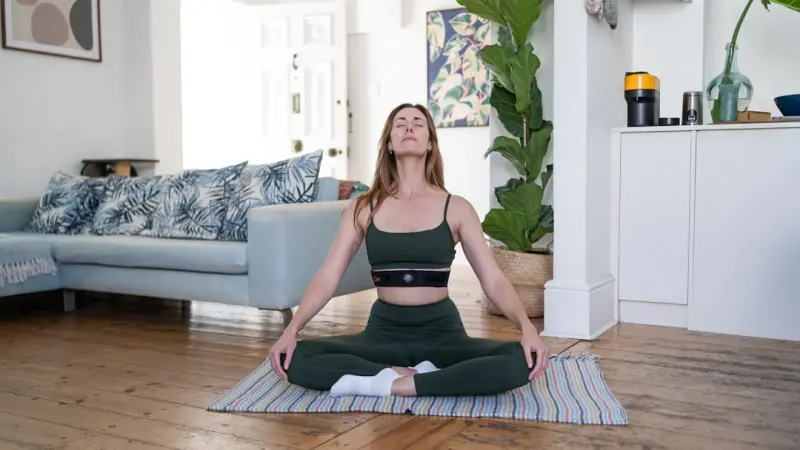
Why Breathwork Deserves a Seat at Your Desk
When I first heard the term “breathwork” I imagined yoga retreats on mountaintops, incense, and a lot of silence. Fast‑forward to my home office, where the hum of a laptop fan competes with the occasional bark of a dog, and I realized that the most powerful breathing exercises can happen right between Zoom calls. In today’s hyper‑connected work environment, our breath is the one tool we can’t outsource to an app or a smart device—yet we often neglect it.
The Science Behind a Simple Inhale
Modern research shows that conscious breathing directly influences the autonomic nervous system, the part of our body that regulates heart rate, digestion, and stress responses. By slowing the breath to around 5‑6 breaths per minute, you shift from the “fight‑or‑flight” sympathetic mode to the calming parasympathetic mode. This shift reduces cortisol, lowers blood pressure, and even improves cognitive clarity.
What’s fascinating is that these physiological changes happen within minutes. A five‑minute session of diaphragmatic breathing can:
- Boost focus by up to 30% (according to a recent Stanford study).
- Decrease perceived stress levels, making you less likely to reach for that extra cup of coffee.
- Enhance heart‑rate variability, a marker of overall resilience.
My Daily Breathwork Routine (And How to Build Yours)
Here’s a quick snapshot of what I do, and you can adapt it to fit any schedule:
- Morning Reset (2 minutes) – Before checking emails, I sit upright, place one hand on my belly and one on my chest, and inhale through the nose for a count of four, hold for two, then exhale slowly through the mouth for a count of six. I repeat this eight times.
- Mid‑Day Recharge (3 minutes) – After lunch, I step away from the desk, close my eyes, and practice the 4‑7‑8 technique: inhale 4 seconds, hold 7 seconds, exhale 8 seconds. This rhythmic pattern gently lowers the heart rate and prepares me for the afternoon sprint.
- Pre‑Meeting Calm (1 minute) – Right before a high‑stakes call, I take three slow, deep breaths, visualizing the air filling my lungs like a balloon. The brief pause helps me speak more deliberately and listen more attentively.
If you’re skeptical, try it for a week and notice any differences in your energy, focus, or mood. The results are often subtle at first, but they compound over time.
Integrating Breathwork With Technology (Without Getting Lost in the Apps)
While the core practice is analog, a few tech tools can help you stay consistent:
- Smart Personal Care platforms now offer wearables that monitor respiration rate and gently remind you to breathe when you’ve been sedentary too long.
- Browser extensions that dim the screen and play ambient tones during a breathing session keep distractions at bay.
- Simple timers on your phone (no fancy app required) can be set for 2‑minute intervals, ensuring you don’t lose track of time during a deep dive into work.
Remember, technology should be a facilitator, not a crutch. If you find yourself scrolling through endless “guided breathing” videos, you’re likely missing the point: the breath itself is the guide.
Breathwork for Physical Health: More Than Just Stress Relief
Beyond mental calm, regulated breathing supports several bodily systems:
- Immune Function: Controlled breathing improves lymphatic flow, helping the body clear toxins more efficiently.
- Digestive Health: The diaphragm’s gentle massage of abdominal organs aids peristalsis, reducing bloating and promoting better nutrient absorption.
- Respiratory Strength: Regular diaphragmatic breathing strengthens the diaphragm muscle, making everyday activities like climbing stairs feel easier.
These benefits align with the broader movement toward Zero‑Waste Personal Care. By using our own breath instead of disposable gadgets, we reduce our environmental footprint while investing in personal health.
Common Misconceptions (And Why They’re Holding You Back)
“I don’t have time.” The truth is, you can practice breathwork in the time it takes to brew a cup of tea. A few conscious breaths can be woven into existing routines without adding extra tasks.
“It’s only for yoga enthusiasts.” Breathing techniques are neutral; they work for anyone, regardless of fitness level or flexibility.
“I need a special device.” While biofeedback devices provide data, the core practice is free and accessible.
Creating a Breath‑Friendly Workspace
Even small adjustments can make a big difference:
- Air Quality: Keep a window open or use a plant (like a snake plant) to improve oxygen levels.
- Posture: Sit with a slight lumbar support; a slouched position compresses the diaphragm and limits lung capacity.
- Visual Cues: Place a sticky note on your monitor that says “Breathe” as a gentle reminder.
These tweaks transform your desk into a mini wellness hub, reinforcing the habit throughout the day.
Breathwork for Remote Teams: A Shared Practice
Remote work can feel isolating, but a quick group breathing session at the start of a virtual meeting can foster connection. Here’s a simple format:
- Ask everyone to mute their microphones and close their eyes.
- Guide them through a 30‑second inhale, 30‑second hold, and 60‑second exhale.
- After the session, open the floor for a brief reflection on how they feel.
Not only does this reduce collective stress, but it also signals that you value holistic well‑being—something that can boost morale and productivity.
Measuring the Impact: How to Track Progress Without Obsession
Start a simple journal:
- Record the time of each session.
- Note any immediate sensations (e.g., “lighter head,” “steady heartbeat”).
- At the end of each week, reflect on any changes in focus, mood, or physical comfort.
Over weeks, patterns emerge, showing how breathwork subtly rewires your stress response. This low‑tech tracking respects the principle that the practice itself should remain uncluttered.
Final Thoughts: Your Breath Is a Superpower You’ve Been Ignoring
In a world that constantly pushes us to do more, the simplest act—inhale, hold, exhale—offers a reset button that’s always within reach. By integrating breathwork into daily routines, optimizing the workspace, and even extending the practice to remote teams, you can cultivate a resilient body and mind without buying another gadget.
Give yourself permission to pause. Your lungs, heart, brain, and even the planet will thank you.

Laura Wilson is a freelance writer specializing in the dynamic and ever-evolving field of health. With a passion for translating complex medical information into accessible and engaging content, Laura brings a wealth of knowledge and a fresh perspective to topics ranging from preventative care and nutrition to cutting-edge research and innovative treatments.
Related Posts

Micro‑Movement: Turning Everyday Moments into a Health‑Boosting Habit
Micro‑movement turns everyday pauses into health‑enhancing actions. Learn practical, equipmentâ€... Read More

Micro-Exercise: The Tiny Workout Trend Transforming Office Health
Micro‑exercise leverages short, frequent movement bursts to combat sedentary office life, enhancin... Read More

Finding Flow: Everyday Rhythm for Better Health
Explore the science of internal rhythms and learn practical strategies to align your daily cadence w... Read More
Top Posts

Playful Creativity: A Simple Antidote to Burnout
A practical guide to using playful creativity as a daily mental health boost, with actionable steps, science-backed benefits, and ways to embed it into remote a...Read More

Beyond the Itinerary: How Sensory Storytelling Redefines Modern Travel
Travel isn’t just about sights; it’s about the full sensory experience. Discover a framework for sensory storytelling that transforms trips into vivid, memo...Read More

From Cubicle to Garden: How Outdoor Desks Are Redefining Employment
Explore the shift from traditional offices to garden desks, uncovering productivity gains, mental health benefits, and the future of employee experience....Read More

Smart Garden Revolution: How Tech Is Transforming Home Outdoor Spaces
Explore the latest garden tech—from soil sensors to smart lighting—and learn practical steps to create a data‑driven, low‑maintenance outdoor oasis....Read More
0 Comments
Post Comment
You will need to Login or Register to comment on this post!