
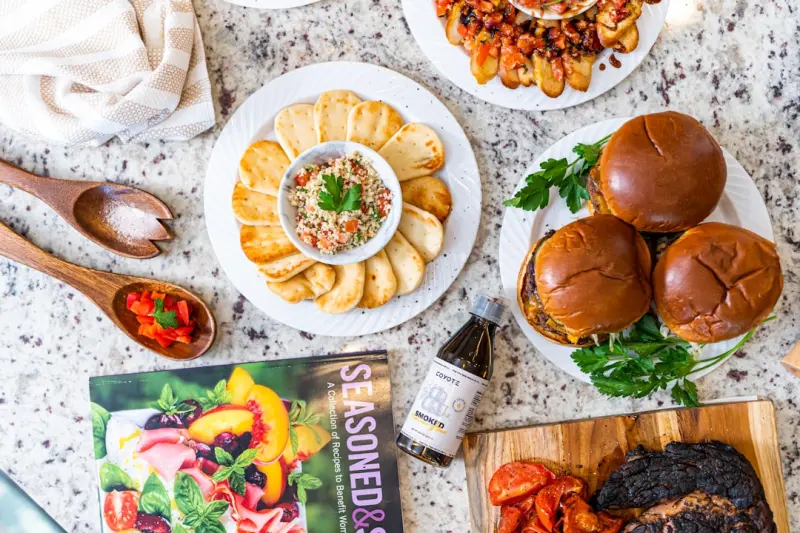
Why Food Becomes the Most Honest Travel Companion
When I step off a bustling market stall and inhale the mingling aromas of cumin, smoked paprika, and fresh citrus, I realize that flavors travel faster than any postcard or souvenir, embedding themselves in the corners of my memory before the visual sights ever settle in. The act of tasting a dish prepared by a grandmother who has never seen my hometown creates an instant bridge, a silent conversation where spices speak louder than words and the texture of a humble flatbread can convey a whole village’s pride. Food, in this way, becomes the most honest travel companion because it refuses to be staged; it is raw, seasonal, and deeply personal, offering a glimpse into daily life that museums simply cannot replicate.
Seeking Recipes in Unexpected Corners
My itinerary now includes a deliberate detour to the kitchen rather than the typical “must‑see” list, and I find myself asking local hosts for the story behind their most cherished dishes, often discovering that the recipe has been whispered down through generations and guarded like a family secret. Whether I’m learning to roll delicate dumplings in a seaside town’s bustling night market or coaxing the perfect broth from a mountain shepherd’s fire‑cooked pot, the process of cooking alongside strangers transforms a fleeting encounter into a lasting apprenticeship, and the resulting notebook of scribbled measurements and handwritten tips becomes a portable archive of shared humanity. To capture these moments more deliberately, I sometimes pull out a travel journal, not just for sketches but for recording the cadence of a chef’s laughter, the rhythm of a market’s clatter, and the subtle adjustments that turn a recipe from “good” to “unforgettable”.
From Street Stalls to Home Kitchens
Back home, the adventure continues as I recreate those overseas flavors, and each attempt feels like a small act of cultural preservation, a respectful homage that allows the distant street to live on my stovetop while inviting friends to taste a slice of far‑away life. The trial and error of balancing a pinch of sea salt with a dash of native herbs often leads to surprising revelations about my own palate, teaching me that authenticity is not a static blueprint but a fluid conversation between the original creator and the interpreter. By sharing these recreated meals at dinner parties, I turn my kitchen into a storytelling hub, where each bite sparks anecdotes about the cobblestone alleys, bustling bazaars, or quiet hillside farms where the inspiration was born, turning culinary curiosity into a communal experience.
Mapping Flavor Trails Without a Map
Traditional travel guides rarely chart the routes of flavor, so I have started to map my own culinary trail by noting the regional ingredients that define each locale and the techniques that give them soul, effectively creating a personal “flavor map” that guides future journeys and reminds me of the subtle differences between a coastal lemon that sings with sea breezes and a high‑altitude citrus that carries a crisp, pine‑like bite. This map is less about geography and more about sensory checkpoints, each one marked by a distinct aroma or texture that triggers a cascade of memories, making the act of recalling a specific dish feel like revisiting a treasured landmark. Over time, the map expands, intertwining with my broader travel narrative and highlighting how the simple act of sharing a bowl of soup can become a compass pointing toward deeper connections.
Connecting Through Shared Meals
One of the most profound gifts of cooking together abroad is the way it dissolves barriers, turning strangers into collaborators who exchange not just ingredients but stories, values, and a sense of belonging that lingers long after the plates are cleared. In a tiny coastal town, I once joined a family for a midnight fish fry, where the rhythmic slapping of the pan echoed the tide and the conversation flowed as freely as the wine, revealing how their ancestors once navigated the same waters that now bring tourists to their doorstep. Such moments underscore the truth that shared meals are a universal language, and by participating in them I become part of an ever‑growing tapestry of human experience, each thread woven by the flavors we savor together.
Preserving Recipes as Travel Artifacts
To honor the generosity of those who have welcomed me into their kitchens, I treat each handwritten recipe as an artifact, carefully cataloguing it alongside photos of the setting, notes on the weather, and reflections on the cultural context that shaped the dish, turning what could be a simple list of ingredients into a multidimensional snapshot of a place and time. This practice not only safeguards the culinary wisdom for future generations but also reinforces a sense of responsibility to share these treasures responsibly, ensuring that the origins and stories behind each dish are respected and accurately represented when I introduce them to new audiences. By archiving these recipes, I create a living museum of taste that travels with me, inviting others to partake in the journey without ever needing a passport.
When the Kitchen Becomes a Travel Diary
Over the years, my home kitchen has evolved into an unexpected travel diary, where the sizzle of a wok, the aroma of simmering tagine, and the bright splash of fresh herbs each act as page turners in a story that spans continents, and each successful recreation feels like a quiet triumph, a confirmation that I have successfully carried a fragment of distant culture across oceans and borders. This diary is not static; it grows with every new spice rack addition, every weather‑inspired stew, and every conversation sparked by the scent of a dish that once lived only in a bustling market square. As I continue to explore new horizons, I find that the most enduring souvenirs are not the postcards or trinkets but the flavors that settle into my palate, urging me to keep wandering, tasting, and sharing.
Turning Meals Into Ongoing Adventures
Finally, I have learned that the journey does not truly end when I return home; instead, each meal prepared from a foreign recipe becomes a launchpad for the next expedition, a reminder that adventure is a continuous loop of discovery, preparation, and sharing. By inviting friends to join me for themed dinner nights, I extend the travel experience beyond my own senses, allowing a circle of curious souls to taste, discuss, and imagine the streets where the dishes originated, thereby turning my dining table into a communal passport that stamps the heart rather than the passport page. In this way, the simple act of cooking transcends its practical purpose, evolving into a perpetual invitation to explore, connect, and celebrate the rich tapestry of humanity that is woven through every shared bite.

Steph Sanderson is a Toronto-based freelance writer and content creator with a clear passion: crafting compelling articles. With a dedication to clear, engaging prose and a knack for storytelling, Steph brings a wealth of experience to every project.
Related Posts

Micro‑Getaways: Turning Everyday Commutes Into Pocket Adventures
Explore the power of micro‑travel: turn routine commutes, train rides, and local strolls into memo... Read More

How Travel Can Ignite Your Creative Spark
Explore how travel can become a catalyst for fresh ideas, using curiosity, sensory immersion, and mi... Read More

The Traveler’s Narrative Playground: Crafting Stories on the Move
Travel isn’t just about sights; it’s a living manuscript. Learn to use a simple narrative toolki... Read More
Top Posts

Why Employee Experience Platforms Are the New Competitive Edge
Employee experience platforms have evolved from simple benefits portals into holistic, AI‑driven systems that anticipate employee needs, boost retention, and ...Read More

Why Garden Desks Are Transforming Employment in 2026
Garden desks are redefining work in 2026, offering health benefits, cost savings, and a fresh talent magnet. Learn how outdoor workspaces boost productivity and...Read More

Talent Marketplaces: Redefining How Companies Find and Keep Skillful Workers
Talent marketplaces shift hiring from static job boards to dynamic, skill‑first ecosystems, enabling faster matches, better trust, and continuous workforce gr...Read More

Seasonal Reset: Aligning Your Body with Nature’s Rhythm for Better Health
Learn how a simple Seasonal Reset—adjusting light, temperature, food, movement, and digital habits—can realign your body with nature’s cycles, improving s...Read More
0 Comments
Post Comment
You will need to Login or Register to comment on this post!