

Why Heirloom Varieties Deserve a Spot in Modern Gardens
When I first dug into the forgotten seed packets tucked away in my grandparents’ attic, I felt like an archaeologist uncovering a culinary time capsule, each seed whispering stories of generations past and the flavors they cherished; today, I’m convinced that integrating heirloom vegetables and flowers into contemporary garden design not only enriches our plates but also anchors us to a resilient, biodiverse heritage that mass‑produced hybrids have eclipsed. Heirloom plants bring a genetic diversity that bolsters soil health, attracts pollinators with varied bloom times, and offers a palette of colors and tastes that modern cultivars simply can’t match, turning any backyard into a living museum of agricultural history. By deliberately planting these vintage varieties, we cultivate a dialogue between past and present, fostering a sense of stewardship that transforms a routine gardening chore into an act of cultural preservation.
Mapping the Garden: Designing a Heritage‑Focused Layout
My approach begins with a careful sketch of the garden’s micro‑climates, noting where morning sun kisses the east side, where the shade of the old oak lingers, and how wind patterns sweep across the plot, because heirloom species often have nuanced sun and moisture preferences that differ from their commercial cousins, demanding a layout that respects each plant’s unique needs. I then group plants by historical region—Mediterranean tomatoes beside Italian basil, Southern heirloom beans with okra—to recreate the companion planting wisdom passed down through generations, a method that naturally deters pests and enhances flavor synergy without the crutch of synthetic chemicals. Finally, I weave in structural elements like raised beds constructed from reclaimed timber and low stone pathways, creating a garden that feels both timeless and purposeful, inviting neighbors to wander and discover the hidden narratives etched into each row.
Seed Saving: The Art and Science of Preserving Tomorrow’s Harvest
Saving seeds from heirloom crops is a ritual I treat with reverence, as it requires patience, observation, and a dash of scientific curiosity; I allow tomatoes to ripen fully on the vine, then harvest the sun‑drenched berries, ferment the pulp for a few days to strip away gelatinous layers, and finally spread the cleaned seeds on parchment to dry in a low‑humidity nook, ensuring they retain viability for the next planting season. This process not only guarantees a continuous supply of authentic genetics but also empowers gardeners to select for traits like drought tolerance or disease resistance, gradually tailoring the heirloom lineage to modern climate challenges while preserving its historic essence. To share the bounty of knowledge, I host informal seed swaps in my backyard, where neighbors exchange packets, stories, and tips, reinforcing community bonds and spreading the love for these living relics.
Flavorful Rewards: Culinary Adventures with Heirloom Produce
Cooking with heirloom vegetables is an experience that transcends ordinary meals; the deep, smoky notes of a Cherokee Purple tomato, the bright, citrusy snap of an Anoka watermelon, or the delicate, peppery bite of a French Green Beans elevate simple dishes into memorable feasts that celebrate terroir and tradition alike. I often pair the ruby hues of a Black Krim tomato with freshly baked sourdough, letting the fruit’s natural sweetness balance the bread’s tang, while a handful of rainbow carrots—each hue promising a distinct flavor profile—adds visual drama and nutritional variety to a roasted medley that dazzles both the eye and palate. By embracing these nuanced tastes, home cooks rediscover the joy of seasonal eating, turning dinner tables into storytelling venues where each bite evokes a different chapter of horticultural heritage.
Eco‑Friendly Practices: Enhancing Sustainability with Heirlooms
Heirloom gardens inherently support sustainable practices; many of these varieties are naturally adapted to local conditions, requiring less irrigation, fertilizer, and pesticide intervention than their high‑yield hybrids, which translates into lower resource consumption and a reduced carbon footprint for the household. I complement this advantage by incorporating organic mulches—shredded leaves, straw, and composted kitchen scraps—that lock in moisture, suppress weeds, and feed the soil, creating a thriving ecosystem where earthworms, beneficial nematodes, and mycorrhizal fungi collaborate to break down organic matter into nutrient‑rich humus. For inspiration on integrating eco‑friendly touches, check out budget-friendly outdoor living room ideas, which demonstrate how simple, reclaimed materials can transform garden spaces without compromising sustainability.
Year‑Round Interest: Extending the Heirloom Season
One of the most rewarding challenges I’ve tackled is coaxing heirloom crops to shine beyond their traditional windows, employing season‑extending tactics like cold frames, row covers, and strategic planting intervals that stagger harvests and maintain visual interest throughout the year; for instance, by sowing early‑season lettuce varieties in late summer and protecting them with lightweight frost blankets, I can enjoy crisp greens well into the cooler months. Additionally, interplanting perennials such as lavender or ornamental kale alongside annual heirlooms provides structural backbone and winter color, ensuring the garden never looks barren when the frost sets in. To deepen your understanding of seasonal design, explore vertical gardening techniques, which offer clever ways to maximize space and keep productive foliage within reach even in confined or shaded areas.
Connecting Community: Heirloom Gardens as Social Hubs
Beyond the soil, heirloom gardens serve as communal gathering spots where stories are exchanged, skills are taught, and friendships blossom; I regularly host “heritage harvest” evenings where neighbors sample fresh produce, swap recipes, and discuss the historical origins of the plants on display, fostering a shared sense of pride and belonging that extends well beyond the garden gate. By inviting local schools to participate in seed‑saving workshops, we spark curiosity in younger generations, giving them hands‑on experience with biodiversity and the responsibility of nurturing living history, which can inspire future careers in horticulture or sustainable agriculture. These interactions transform the garden into a living classroom, reinforcing the idea that stewardship of heirloom varieties is a collective, intergenerational effort.
Getting Started: A Beginner’s Roadmap to Heirloom Gardening
For anyone ready to embark on this rewarding journey, the first step is to curate a modest selection of heirloom seeds that align with your climate zone and garden size, focusing on a mix of vegetables, herbs, and ornamental flowers that will provide continuous interest and edible bounty; reputable seed libraries and online archives often offer free or low‑cost packets, making the entry barrier low. Next, prepare the soil by amending it with compost and aged manure, creating a fertile bed that honors the deep roots of these historic plants, and then follow planting guidelines specific to each variety, paying close attention to spacing and depth to avoid overcrowding. Finally, commit to regular observation—journaling growth patterns, pest activity, and harvest dates—so you can refine your approach year after year, turning your backyard into a thriving testament to the resilience and beauty of heirloom gardening.

Jimmy Damon loves to right on a large scale of topics with all things Canadian as this Montreal die hard loves hockey. fishing and sports.
Related Posts

A Multi‑Sensory Garden Blueprint for Everyday Joy
Learn to transform your yard into a multi‑sensory sanctuary with practical tips on color, fragranc... Read More

Cultivating Success: How My Garden Desk Transformed Home Life and Productivity
From sunrise brainstorming to seasonal décor, learn how a garden desk turned my backyard into a pro... Read More
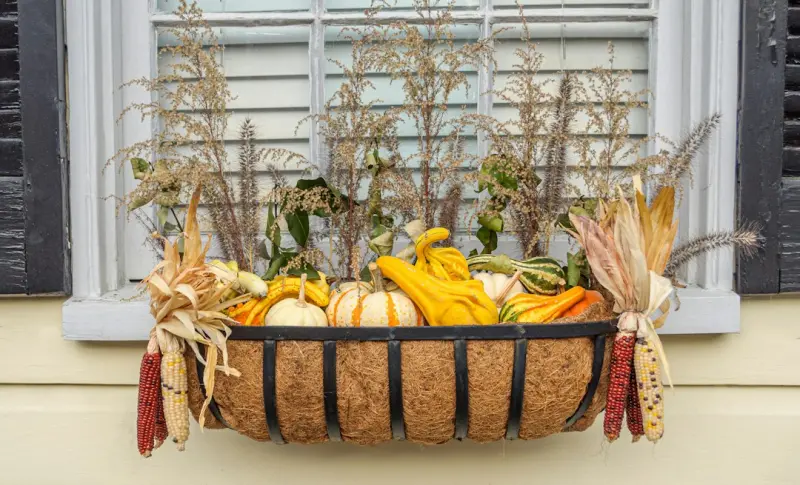
The Art of the Seasonal Window Garden: Bringing the Outdoors Inside
Learn to create a vibrant, year‑round window garden that adds fresh herbs, colors, and calming sce... Read More
Top Posts
From Backyard to Boardroom: How My Garden Desk Redefined Home & Garden Living in 2026
Explore the rise of garden desks in 2026, blending design, health, and community to create a thriving outdoor workspace that boosts productivity and joy....Read More

AI as the Quiet Catalyst for Ethical Innovation
Discover how AI serves as a subtle yet powerful force for ethical innovation, enhancing fairness, sustainability, and inclusive decision‑making across organiz...Read More

Illuminating Your Home: How Ambient Lighting Transforms Everyday Living
A deep dive into using layered ambient lighting, smart bulbs, and air‑purifying plants to create a brighter, healthier, and more organized home environment....Read More

How AI Can Champion Inclusive Product Design
AI isn’t just a productivity booster; it can be a powerful ally in creating inclusive products. Learn practical ways to use AI for bias detection, diverse hir...Read More
0 Comments
Post Comment
You will need to Login or Register to comment on this post!