
Why Your Digital Clutter Is Stealing Your Peace of Mind
Imagine walking into a room where every surface is covered in papers, gadgets, and half‑finished projects. It feels chaotic, right? Now picture that room as the screen you stare at for eight hours a day. The constant influx of notifications, endless tabs, and a never‑ending inbox creates a mental equivalent of that cluttered space. While most conversations about mental health focus on meditation, therapy, or work‑life balance, the hidden cost of digital overload is often overlooked. This article dives deep into the psychology of digital clutter, explains how it erodes emotional stability, and offers a step‑by‑step framework to reclaim mental clarity without sacrificing productivity.
The Silent Stressor: How Digital Overload Hijacks Your Brain
Our brains are wired for novelty. A new email, a fresh social media post, or a notification ping triggers dopamine release, giving us a fleeting sense of reward. When these stimuli are constant, the brain stays in a perpetual “alert” mode, never fully settling into the restorative states needed for deep thinking and emotional regulation. Over time, this leads to decision fatigue, reduced attention span, and a subtle but persistent anxiety that we can’t quite name.
Research in cognitive neuroscience shows that the prefrontal cortex—responsible for planning and impulse control—gets overtaxed when we juggle too many digital inputs. The result? A brain that feels perpetually exhausted, making even simple tasks feel overwhelming. The solution isn’t just “turn off your phone” for an hour; it’s a systematic approach to curating the digital environment you inhabit.
Reframing Digital Declutter as a Mental Health Practice
Traditional mindfulness teaches us to observe thoughts without judgment. Digital decluttering applies the same principle to the tools we use. By treating each app, email thread, and notification as a “thought” that can be examined, accepted, or released, we turn cleaning our inbox into a therapeutic ritual. This mindset shift transforms a mundane housekeeping task into a powerful act of self‑care.
Think of your digital ecosystem as a garden. A well‑tended garden thrives because weeds are regularly removed, and space is made for the plants you truly value. In the same way, regular pruning of digital excess allows the ideas and connections that matter most to flourish.
Step 1: Conduct a Digital Inventory
Start by mapping out where your attention is currently being pulled. Use a simple spreadsheet or a note‑taking app to list:
- All communication channels (email, Slack, Teams, etc.)
- Social media platforms you check daily
- Productivity tools and apps you use for work
- Entertainment services (streaming, gaming, podcasts)
Next, assign a “stress score” to each item on a scale of 1‑5 based on how often it interrupts your flow or induces anxiety. This audit reveals the biggest culprits and sets the stage for targeted action.
Step 2: Prioritize Intentional Connections
Not every notification deserves a reaction. Decide which channels are essential for your role and which can be consolidated. For instance, if you receive project updates both via email and a chat app, choose one primary source and mute the other.
When you have to keep multiple platforms, create “focus windows.” During these periods, turn off non‑essential alerts and set your status to “Do Not Disturb.” This mirrors the concept behind collective stillness for mental resilience, but applied to your personal workflow.
Step 3: Implement the “One‑Touch” Rule
The “one‑touch” principle, borrowed from the world of physical mail sorting, dictates that you either act on a digital item the first time you see it or schedule it for later. If an email requires a quick reply, send it immediately. If it demands more thought, flag it and move it to a “Later” folder. This prevents the dreaded “inbox pile‑up” that silently saps mental energy.
Pair this rule with a dedicated “Zero‑Inbox” day each week. Use the time to archive old threads, unsubscribe from newsletters you never read, and delete apps that no longer serve a purpose.
Step 4: Redesign Your Home Screen for Calm
Most of us treat our phone home screen like a dashboard of tasks, cluttered with shortcuts to apps we rarely use. Curate it deliberately:
- Keep only three to five essential apps on the first page.
- Group similar tools into folders labeled by function (e.g., “Work,” “Health”).
- Choose a neutral, soothing wallpaper that doesn’t compete for attention.
This visual minimalism reduces the “decision fatigue” that occurs each time you unlock your device.
Step 5: Schedule Digital “Breathing” Sessions
Just as you would schedule a workout, block out short periods to practice digital breathing—moments where you consciously step away from screens and engage in a grounding activity. One effective method is the technique described in turning everyday moments into health boosters. Instead of focusing on the breath alone, weave a brief story about what you’re observing—a leaf fluttering, a cup of tea steaming. This hybrid practice reinforces presence while still honoring your creative mind.
Step 6: Leverage Data to Track Mental Load
Many of us love data, but few use it to monitor mental health. Install a simple time‑tracking extension that logs how long you spend on each app. At the end of the week, review the report and ask yourself:
- Which apps contributed to a sense of accomplishment?
- Which ones left you feeling drained?
- Can any high‑stress activities be replaced with low‑effort, high‑reward alternatives?
This approach echoes the insights from data‑driven storytelling for stress mastery, turning raw numbers into narratives that guide better choices.
Step 7: Build a “Digital Sanctuary” Space
Just as you might have a quiet corner for reading, create a designated digital sanctuary—a set of tools and environments reserved for restorative activities. This could include:
- A meditation app with no notifications.
- A simple note‑taking app for journaling thoughts.
- A curated playlist of ambient sounds.
When you enter this space, you’re signaling to your brain that it’s time to shift from “task mode” to “recovery mode.” Over weeks, your nervous system learns to associate these cues with relaxation, making it easier to unwind after intense work sessions.
The Ripple Effect: From Personal Clarity to Team Well‑Being
When you model digital decluttering, you set a cultural precedent. Teams often mirror the habits of their leaders. By openly sharing your inventory process and focus windows, you invite colleagues to experiment with their own digital hygiene. The result is a ripple effect: reduced email overload, fewer after‑hours interruptions, and a collective rise in mental bandwidth.
Organizations can reinforce this by establishing policies that respect “quiet hours,” encouraging asynchronous communication, and providing tools that streamline information flow. When the digital environment is thoughtfully curated, creativity and problem‑solving flourish.
Overcoming Common Resistance
Many professionals fear that limiting digital contact will make them appear unresponsive or less committed. The key is transparency. Communicate your new availability windows to teammates and set expectations for response times. Over time, you’ll find that colleagues respect boundaries and, in many cases, adopt similar practices.
Another hurdle is the emotional attachment to “being busy.” We often equate a packed inbox with importance. Reframe this narrative: a clear inbox signals efficiency, not inactivity. Celebrate each decluttering milestone as a win for mental health, not a loss of productivity.
Measuring Success: Beyond the Numbers
Quantitative metrics—like reduced average email response time or fewer notifications per day—are useful, but the true indicator of success is subjective well‑being. Conduct a quick self‑check every month:
- Do I feel less mentally fatigued at the end of the day?
- Am I able to concentrate on complex tasks for longer periods?
- Do I experience fewer “brain fog” moments?
If the answer is yes, your digital declutter is paying off. If not, revisit the inventory and adjust your focus windows or notification settings accordingly.
Future‑Proofing Your Digital Well‑Being
Technology evolves rapidly, and new platforms will continue to emerge. The principles outlined here are timeless: audit, prioritize, simplify, and schedule intentional breaks. By treating digital decluttering as an ongoing practice rather than a one‑time project, you future‑proof your mental health against the inevitable wave of new tools.
In a world where the line between work and personal life blurs, taking ownership of your digital environment is one of the most empowering actions you can take. It’s not about rejecting technology; it’s about curating a digital experience that serves your mind, not the other way around.
Take the First Step Today
Set a timer for 15 minutes right now. Open a new document, list the apps and services you use daily, and assign them a stress score. You’ll be surprised at how much clarity a simple inventory can bring. From there, apply the one‑touch rule to the next 10 emails you receive. Notice how the mental load lightens, even if just slightly.
Remember, mental health is a marathon, not a sprint. By steadily pruning digital excess, you create space for focus, creativity, and genuine peace of mind. Your brain will thank you, and your work will reflect the clarity you’ve cultivated.

Paul Flynn is a versatile freelance writer equipped with a diverse skillset and a portfolio that reflects his wide-ranging interests and expertise. From crafting compelling website copy and engaging blog posts to delivering in-depth articles and meticulously researched reports, Flynn demonstrates a remarkable ability to adapt his writing style to suit various audiences and purposes.
Related Posts
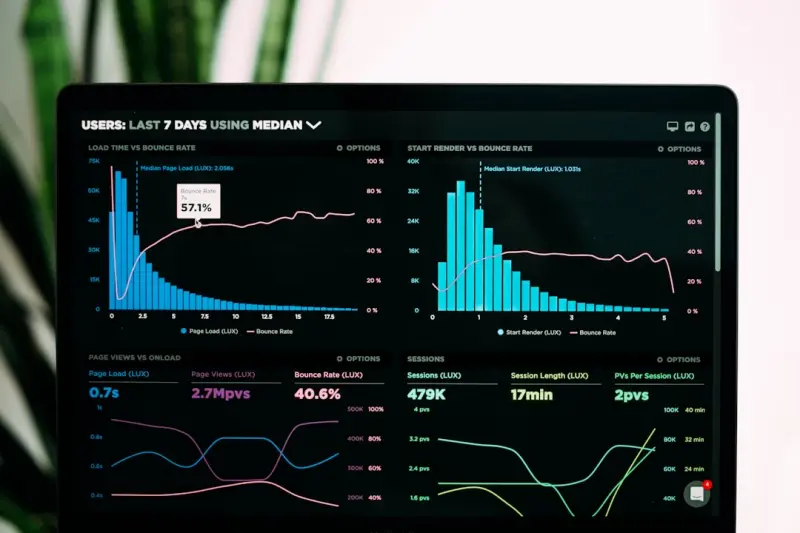
Design Your Own Mental Health Dashboard
A step‑by‑step guide to building a personal mental health dashboard, turning mood, energy, and s... Read More

Reimagining Mental Fitness: Data‑Driven Storytelling for Stress Mastery
Learn a simple, data‑rich storytelling framework that transforms stress into actionable insight, f... Read More

The Power of Narrative Journaling: Turning Everyday Moments into Mental Resilience
Learn how turning daily experiences into concise narratives can transform anxiety into actionable in... Read More
Top Posts

Strategic Forecasting at Light Speed: Generative AI Meets Business Intelligence
Generative AI is turning weeks‑long forecasts into minute‑long insights, empowering executives with dynamic, data‑rich scenarios. Learn how to integrate t...Read More
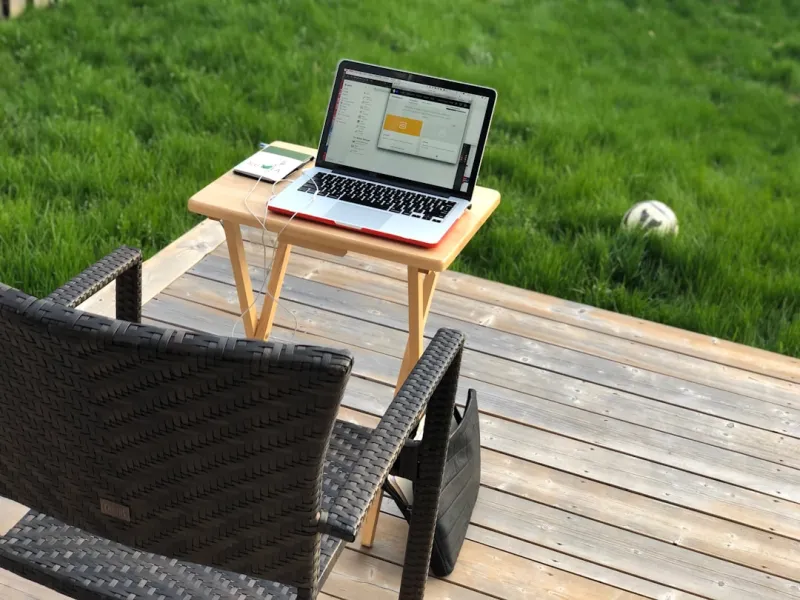
Garden Desks Are Redefining Employment in 2026
Garden desks are turning lawns into high‑performance offices, marrying nature with productivity. Discover why this green shift is the hottest employment trend...Read More

Beyond the Guidebook: Crafting a Personal Travel Laboratory
Learn how to transform ordinary vacations into intentional experiments by setting research questions, using sensory audits, and integrating local ecosystems, tu...Read More
The Art of Intentional Forgetting: Reclaiming Mental Space in a Hyper‑Connected World
Discover the power of intentional forgetting—a simple yet profound practice that helps you let go of mental clutter, improve focus, and foster emotional resil...Read More
0 Comments
Post Comment
You will need to Login or Register to comment on this post!