

Why Home Acoustics Matter More Than You Think
When most people think about “home upgrades,” the first things that come to mind are paint colors, smart thermostats, or maybe a new sofa. Rarely do we pause to consider the soundscape that fills our walls. Yet the way a room handles noise can dictate everything from productivity to sleep quality, from how well you can enjoy a conversation to how relaxed you feel after a long day. In my own apartment, I discovered that a simple shift in acoustic treatment turned my makeshift office from a cacophony of street buzz to a focused, calm haven. That revelation sparked a deeper dive into practical, budget‑friendly ways to tame reverberation, block unwanted intrusions, and even use sound as a design element.
Listening to Your Space: An Easy Acoustic Audit
Before you buy any acoustic panels or expensive sound‑proofing kits, start with a quick audit. Grab a phone recorder or just use the voice‑memo app on your phone. Follow these steps:
- Identify the problem zones. Walk from room to room and note where you hear the most echo (often large, empty walls) and where external noise penetrates the most (usually windows and doors).
- Measure reverberation time. Clap loudly and count how many seconds it takes for the sound to fade. Anything over 0.8 seconds in a living area usually indicates a need for more absorption.
- Check low‑frequency “bass‑bloom.” Place a bass‑heavy track near a wall and listen for rumbling. Low frequencies travel through structures more easily, so a wall that feels like a speaker is a red flag.
This simple audit gives you a map of where to apply solutions, ensuring every dollar you spend hits a real need.
DIY Sound‑Absorbing Solutions That Won’t Break the Bank
Professional acoustic panels can be pricey, but there are plenty of creative, low‑cost alternatives that look good and work well.
1. Fabric‑Wrapped Bookcases
Open shelves are already great at diffusing sound. By wrapping the back panel of a bookcase in a thick, dense fabric (think heavyweight linen or felt), you create a hybrid absorber/diffuser. It adds a warm texture to your décor while catching mid‑range frequencies that bounce off hard surfaces.
2. Wall Hangings & Tapestries
Large, woven wall hangings act like acoustic blankets. A 60‑by‑80‑inch tapestry made from natural fibers can reduce reverberation by up to 30 %. Choose a piece that reflects your personal style—maybe a bold geometric print for a modern loft or a soft, muted pattern for a cozy bedroom.
3. DIY Acoustic Panels from Rockwool
If you’re comfortable with a little DIY, buy dense rockwool insulation, cut it to size, and frame it with thin wooden boards. Cover the front with breathable fabric (like burlap or acoustic‑grade polyester) and mount the panels on walls that need the most absorption. This approach costs a fraction of commercial panels and lets you customize the shape and size.
4. Soft Furniture Placement
Never underestimate the power of a plush sofa or a well‑filled armchair. Soft furnishings absorb sound, especially when placed opposite reflective surfaces. Consider adding a floor‑level pouf or a large area rug with a high pile to capture low‑frequency energy.
5. Strategic Use of Books & Plants
Stacks of books act as natural diffusers, scattering sound waves in multiple directions. Pair them with large, leafy plants (like fiddle‑leaf figs or monsteras) whose foliage and soil mass absorb both mid‑ and high‑frequency sounds. This dual approach adds a biophilic touch while improving acoustics.
Smart Tech to Fine‑Tune Your Home’s Soundscape
Modern homes are increasingly “smart,” and acoustic control is no exception. Here are a few tech‑savvy upgrades you can integrate without major renovations:
- Adaptive Noise‑Canceling Speakers. Brands now offer speakers that emit anti‑phase sound waves to cancel out ambient noise in real time. Place them near windows or in home offices for a subtle, constant reduction in street or traffic sounds.
- Smart Window Inserts. Acoustic window panels that snap into existing frames can reduce external noise by up to 70 %. They’re removable, so you keep the original aesthetic while gaining a quiet haven.
- Voice‑Controlled Soundscapes. Devices like Amazon Echo or Google Nest can be programmed to play white noise, pink noise, or nature sounds on schedule. Use them to mask distracting noises during work or to create a soothing bedtime ambiance.
Integrating Acoustic Design with Aesthetics
Good acoustic treatment shouldn’t look like an afterthought. Here are design‑forward ideas that blend function and form:
- Artful Acoustic Panels. Companies now sell panels printed with artwork or custom photographs. Choose a piece that resonates with your décor, and you’ll have a functional piece of wall art.
- Floating Shelves with Integrated Absorbers. Install shallow shelves that double as acoustic panels. The hollow space behind the shelf can be filled with acoustic foam, invisible to the eye but effective at dampening sound.
- Ceiling Baffles in Decorative Shapes. Hang acoustic baffles that mimic natural forms—think clouds, leaf silhouettes, or abstract geometry. They break up reflections while adding a sculptural element.
Seasonal Acoustic Maintenance: A Quick Checklist
Just like you rotate your wardrobe or service your HVAC, your acoustic setup benefits from periodic checks. Use this short reminder list—adapted from a broader home reset guide—to keep your sound environment at its best.
- Spring. Open windows to let fresh air circulate; replace any worn fabric covers on panels that may have accumulated dust.
- Summer. Assess outdoor noise levels (e.g., patio parties, neighborhood festivals) and consider temporary window inserts if needed.
- Fall. Add extra soft furnishings—think plush throws and larger area rugs—to counter the denser, cooler air that carries low‑frequency sounds.
- Winter. Check seals around doors and windows for drafts; even small gaps can transmit sound, especially when the building’s structure contracts in cold.
Beyond the Walls: Acoustic Benefits for Health and Productivity
Research shows that environments with controlled sound levels can improve focus, reduce stress, and even lower blood pressure. By investing in acoustic comfort, you’re not just enhancing aesthetics; you’re creating a healthier, more productive living space. Think of your home as a personal wellness hub where every element—from lighting to scent to sound—works in harmony.
Putting It All Together: A Sample Room Makeover
Let’s walk through a practical example. Imagine a compact home office that currently feels like a coffee shop—lots of echo, street noise seeping through the window, and a hard‑floor that amplifies every footstep.
- Audit. You notice reverberation time of 1.2 seconds and a constant low‑frequency hum from traffic.
- Soft Surfaces. Add a thick, patterned rug (8 × 10 ft) and a high‑backed upholstered chair.
- DIY Panels. Build two 2 × 4 ft rockwool panels, cover them with charcoal‑gray fabric, and mount them on the wall opposite the window.
- Strategic Furniture. Place a bookshelf with alternating rows of books and potted plants across from the panels to diffuse residual sound.
- Tech Upgrade. Install a smart window insert and set up an Echo device to play gentle white noise during work hours.
- Seasonal Check. In the fall, swap the rug for a heavier one and add a cozy throw to further absorb sound.
Within a week, the room’s reverberation drops to 0.6 seconds, the traffic hum is masked, and you notice a tangible boost in focus during video calls. All for under $300 and without any structural changes.
Final Thoughts: Sound as the Unsung Hero of Home Comfort
Acoustic design is often the hidden layer behind a truly comfortable home. By listening to your space, applying simple DIY fixes, leveraging smart technology, and keeping a seasonal maintenance rhythm, you can transform any room from a noisy distraction into a sanctuary for focus, relaxation, and well‑being. The next time you’re planning a home upgrade, ask yourself: “What does this space sound like?” The answer will guide you to a quieter, more harmonious living experience.

Tyler Johnson is a seasoned freelance writer with a keen eye for detail and a passion for crafting compelling narratives. His years of experience have honed his ability to adapt his style to suit diverse client needs and project requirements.
Related Posts
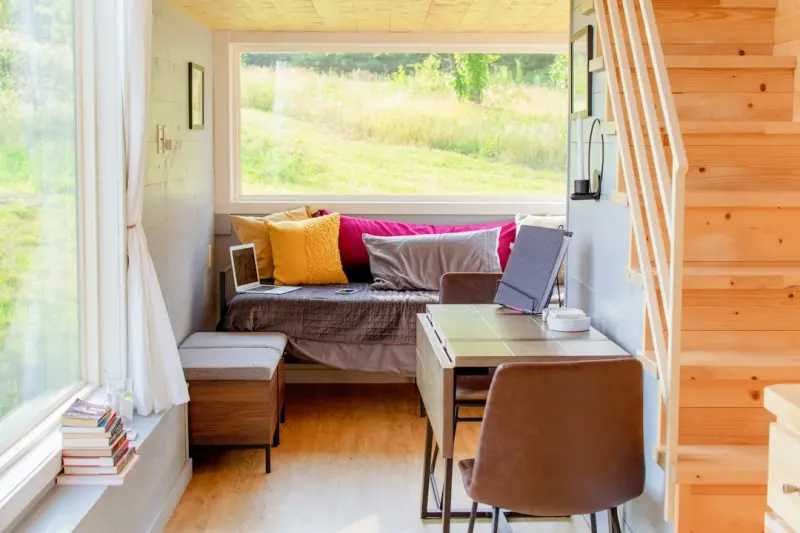
Designing Micro‑Refuge Zones: Tiny Spaces That Recharge Your Day
Learn how to turn overlooked corners of your home into micro‑refuge zones—small, purposeful spac... Read More
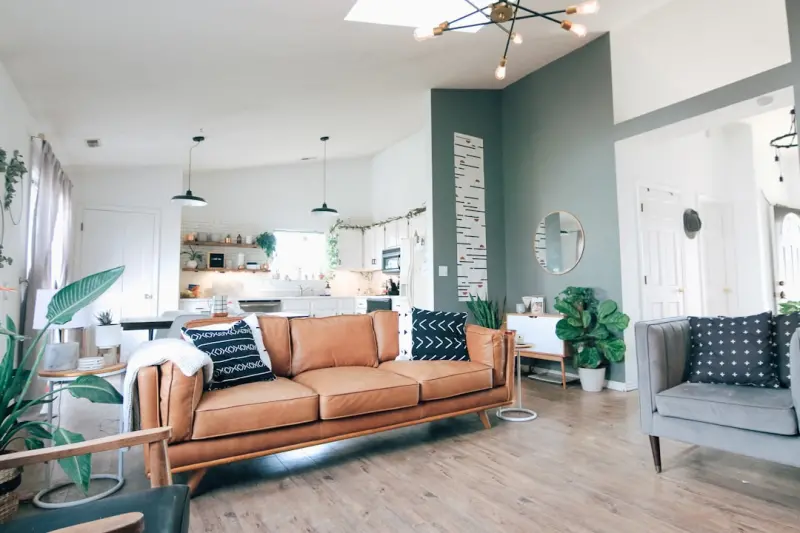
Quiet Corners: Mastering Acoustic Comfort in Open‑Plan Homes
Learn how to turn noisy open‑plan spaces into serene retreats using soft furnishings, DIY acoustic... Read More
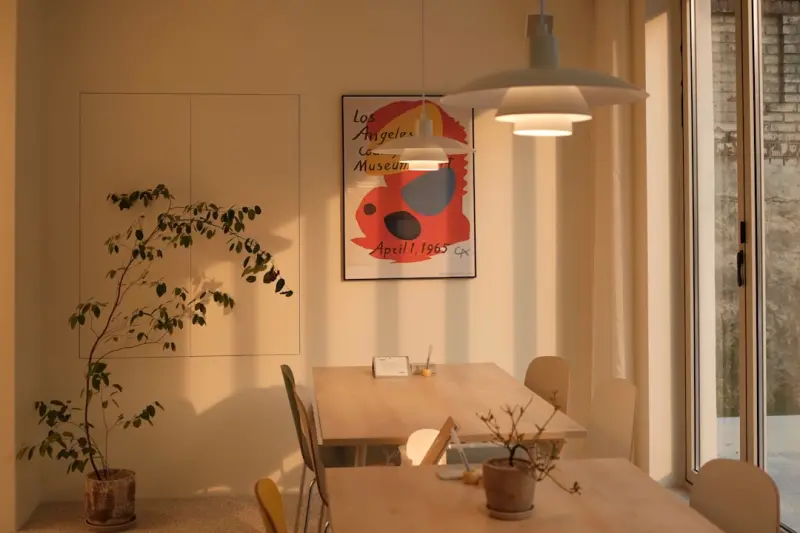
Brighten Up: Transform Your Home with Light‑Focused Design
Learn how to harness natural and artificial light to improve mood, increase productivity, and create... Read More
Top Posts

Creating an Invisible Buffer: Guarding Your Mind in a Hyper‑Connected Workday
Discover the Invisible Buffer—a set of low‑effort habits that protect mental space amid nonstop notifications, AI alerts, and digital overload, empowering y...Read More

AI as the Negotiation Partner: Transforming B2B Deal‑Making with Data‑Driven Insight
A fresh look at AI’s role in B2B negotiations, showing how data‑driven assistants can amplify human skill, improve outcomes, and reshape the future of dealâ...Read More
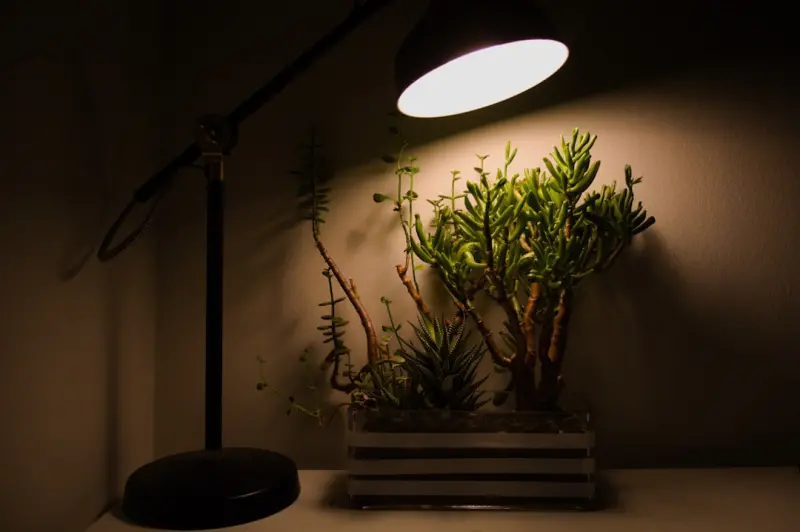
Smart Light & Space Hacks for Urban Living
Learn how to use natural light, flexible furniture, hidden storage, acoustic solutions, indoor greenery, and smart tech to make a small city apartment feel spac...Read More

Edible Curb Appeal: Turn Your Front Yard into a Harvesting Showpiece
Transform your front yard into a stunning edible landscape that dazzles neighbors, supplies fresh produce, and adds sustainable value to your home....Read More
0 Comments
Post Comment
You will need to Login or Register to comment on this post!