
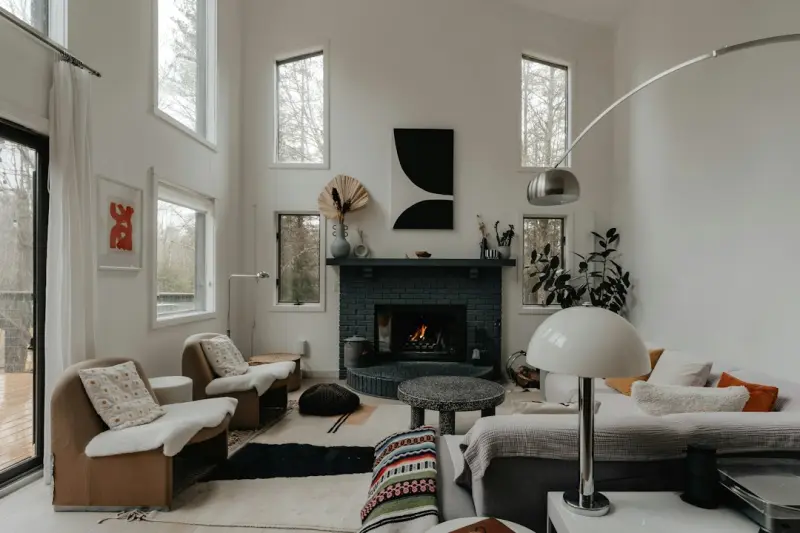
Why Home Rhythm Matters More Than Anything Else
When I first moved into my downtown loft, the excitement of fresh paint and new furniture quickly faded into a chorus of buzzing appliances, endless to‑do lists, and the ever‑present feeling that my home was a place I had to manage, not a place that managed me. Over the years I’ve learned that the secret to a truly supportive home isn’t a handful of trendy gadgets or a Pinterest‑perfect décor overhaul; it’s a rhythmic flow that aligns with the way we naturally operate.
In this post I’ll share the concrete habits, low‑cost tweaks, and mindset shifts that turned my chaotic apartment into a steady, low‑stress sanctuary. These ideas are grounded in everyday life—no expensive consultants, no radical remodels, just small steps that add up to a big difference.
Start With a “Home Pulse” Check‑In
Before you dive into any change, take a moment to tune into the current pulse of your home. Grab a notebook, set a timer for five minutes, and walk through each room asking yourself three simple questions:
- What is the dominant energy here? Is the space buzzing, calming, or indifferent?
- Which activities feel effortless? Identify spots where you naturally settle without thinking.
- What disrupts the flow? Pinpoint noises, clutter, or lighting that throws you off.
Write down the answers. This quick audit becomes your baseline, allowing you to spot the biggest friction points and celebrate the zones that already work.
Re‑Imagine Your Kitchen as a “Prep Hub”
The kitchen is the heart of most homes, yet it’s also the most frequent source of stress—especially when dinner time feels like a race against the clock. I transformed my cramped kitchen into a prep hub by doing three things:
- Zone the countertop. Dedicate a 12‑inch strip for “assembly” (plates, utensils, sauces) and a separate strip for “cleanup” (trash, dishwasher pull‑out).
- Invest in a portable prep board. A small cutting board on wheels slides to any surface, letting you prep salads at the dining table while the main cooking continues on the stove.
- Batch‑cook the basics. Cook a big pot of grains, roast a tray of veggies, and grill a protein batch every Sunday. Store them in clear containers; assembling meals becomes a matter of grabbing and mixing.
These adjustments cut my dinner prep time by roughly 30 % and, more importantly, eliminated the frantic scramble that used to dominate my evenings.
Craft a “Micro‑Relaxation” Corner in Any Room
Most of us think relaxation requires a dedicated room—think a full‑blown spa or a bedroom makeover. The truth is, you can create a pocket of calm in any corner with three modest elements:
- Soft lighting. A small, dimmable lamp or a string of warm LED bulbs instantly signals to your brain that it’s time to unwind.
- Tactile comfort. A plush throw or a cushion you love to sink into. I keep a folded blanket in the hallway so I can grab it on the way home.
- Sensory cue. A subtle scent—like a lavender sachet—or a low‑volume nature playlist. The key is consistency; use the same cue every time you sit there, and your body will start associating that corner with relaxation.
Even a 5‑minute pause in this micro‑relaxation spot can reset your stress levels, making the rest of the day feel more manageable.
Turn Your Backyard Into a Global Playground
If you have a yard, balcony, or even a modest patio, you’re sitting on a hidden treasure. I was inspired by the idea of turn your backyard into a global playground and decided to make each season an invitation for a new adventure.
Here’s how I keep it fresh without breaking the bank:
- Seasonal themes. In spring I set up a mini herb garden; summer brings a portable hammock; autumn introduces a DIY fire pit using reclaimed bricks; winter transforms the space with string lights and a cozy outdoor rug.
- Multi‑purpose furniture. A fold‑out table serves as a picnic spot, a craft station, or a place to host a small evening gathering.
- Portable décor. Items like lanterns, floor cushions, and even a small water feature can be moved inside during bad weather, preserving the vibe year‑round.
By treating your outdoor area as an evolving “playground,” you cultivate a sense of discovery that spills into your daily routine, keeping boredom at bay and encouraging spontaneous family moments.
Leverage the “Seasonal Gallery Blueprint” for Visual Calm
Visual clutter can be just as stressful as physical clutter. One of the easiest ways to keep walls feeling fresh yet orderly is to adopt a seasonal gallery blueprint. The concept is simple: curate a small collection of art, photos, or prints that you love, and rotate them every few months.
Why does this work? Rotation creates a sense of novelty without the overwhelming task of constantly buying new décor. It also gives you an excuse to revisit favorite memories or discover new artists. I keep a slim, lightweight rail system on my hallway wall—just a few hooks and a set of interchangeable frames. Every season I pull the old set aside, store it in a labeled box, and replace it with the next collection.
The result is a hallway that feels like a curated gallery rather than a static backdrop. The subtle change in visual stimuli keeps my mind engaged and reduces the monotony that can creep into everyday spaces.
Introduce “Quiet Hours” for Shared Spaces
Living with roommates, a partner, or even a bustling family often means competing soundscapes. I introduced a simple rule called “quiet hours” for shared areas (living room, kitchen, and bathroom). Here’s the framework:
- Define the window. Choose a consistent two‑hour block each evening (for me, it’s 8 pm to 10 pm) when everyone agrees to keep noise to a minimum.
- Signal with a visual cue. A small, soft‑glowing lantern placed on the coffee table indicates that quiet time is active.
- Offer alternatives. Encourage headphones for music, a reading lamp for individual tasks, and a “soft‑talk” policy for conversations.
After a few weeks, the quiet hours became a shared ritual that not only lowered ambient noise but also fostered a deeper sense of respect and presence among household members.
Make “Mail‑Free Mornings” a Habit
Our inboxes are often the first thing we open in the morning, flooding us with tasks before we’ve even had coffee. While this post isn’t about email boundaries per se, the principle of delaying digital intrusions can be applied to physical mail as well.
Here’s my “mail‑free morning” routine:
- Set a dedicated mail slot. I installed a low‑profile mail slot in the hallway, out of sight from the kitchen.
- Schedule a “mail check” time. I only open the slot at 10 am, after my morning coffee and a short stretch.
- Process immediately. Each piece of mail gets sorted into three piles: “Action,” “File,” and “Recycle.” This prevents clutter from building up on countertops.
By postponing the inevitable paper avalanche, I protect my mental bandwidth for the most important tasks of the day.
Upgrade Your Lighting with a “Home Comfort Makeover”
Lighting isn’t just about illumination; it shapes mood, productivity, and even sleep quality. I recently embarked on a home comfort makeover focusing on three layers of light:
- Ambient lighting. Soft, diffused ceiling lights that mimic natural daylight.
- Task lighting. Adjustable desk lamps for reading or work zones.
- Accent lighting. Small LED strips behind shelving or under cabinets to add visual interest without glare.
The biggest change I noticed was a smoother transition from work mode to relaxation mode, as each lighting layer could be dimmed or brightened independently. The overall effect feels like a gentle, built‑in “switch” for your daily rhythm.
Adopt a “One‑Touch” Cleaning Philosophy
Cleaning can feel like an endless mountain, but the “one‑touch” mindset reduces the load dramatically. The rule is simple: whenever you encounter an item that’s out of place, address it immediately—don’t put it down to deal with later.
Examples include:
- Placing a stray shoe directly into the shoe rack instead of leaving it by the door.
- Wiping a spilled coffee with a nearby cloth rather than walking away and returning later.
- Returning a book to the bookshelf right after you finish reading.
At first it feels like an extra effort, but after a week the home naturally stays cleaner, and you spend less time on dedicated cleaning sessions.
Wrap‑Up: Your Home as a Living Rhythm
All of the strategies above share a common thread: they respect the natural flow of your day and gently nudge your environment to support it. By listening to the pulse of each room, creating micro‑relaxation spots, turning outdoor spaces into playful extensions, and using intentional lighting and cleaning habits, you’ll find that home becomes less of a to‑do list and more of a partner in your daily life.
Give one of these ideas a try this week. Observe how it feels, tweak it, and then layer on another. Before long, you’ll have built a low‑stress rhythm that feels effortless—because the house is finally moving in harmony with you.

Karen Edwards is a seasoned freelance writer with a passion for all things furry, feathered, and scaled. With a dedicated focus on pets, she brings a wealth of knowledge and a keen eye for detail to her writing.
Related Posts
Designing a Sound‑Smart Sanctuary for Home Focus and Calm
Discover practical, low‑cost ways to improve your home’s sound environment—from rugs and plant... Read More
Hidden Home Hacks That Supercharge Your Daily Productivity
Learn seven subtle, science‑backed tweaks—from lighting and airflow to smart storage and night r... Read More

Transform Your Entryway into a Curated Gallery That Welcomes and Inspires
A step‑by‑step guide shows how to declutter, zone, light, and decorate your entryway like a mini... Read More
Top Posts

Tiny Moves, Big Gains: Unlocking Health with Micro‑Movement Strategies
Learn the science behind micro‑movements and how tiny, intentional actions can transform your health, from better circulation to sharper focus, without needin...Read More

Structured Napping: The Underrated Performance Booster for Professionals
A deep dive into the science, practical setup, and measurable benefits of structured napping, showing why a 15‑minute daily reset can transform productivity a...Read More

Writing Your Travel Story: Turning Trips into Personal Narratives
Travel is more than moving from point A to B; it’s an opportunity to craft a personal narrative. This post guides readers on using sensory clues, food, charac...Read More

Eco‑Volunteering: Turning Travel Into a Force for Good
Eco‑volunteering blends adventure with meaningful service, offering travelers a way to leave a positive legacy while exploring new cultures and environments....Read More
0 Comments
Post Comment
You will need to Login or Register to comment on this post!