

Introduction: Rethinking Home Comfort
When the thermostat screams for attention and utility bills climb, it’s easy to feel trapped in a house that’s working against you rather than for you. My mission is to turn that narrative around with practical, budget‑friendly tweaks that any homeowner can adopt without a full renovation. By the end of this guide, you’ll see how small, intentional changes can amplify comfort, slash waste, and make your living space feel like a well‑tuned sanctuary.
Harnessing Natural Light
Sunlight is the ultimate free heater and mood‑booster, yet many rooms stay dim behind heavy drapes or misplaced furniture. By strategically placing mirrors opposite windows and opting for sheer curtains, you reflect and diffuse daylight deeper into the home, reducing reliance on artificial lighting during the day. This simple visual expansion also encourages you to keep blinds open longer, letting the sun’s warmth naturally raise indoor temperatures and lower heating demands.
Low‑Cost Insulation Tricks
Drafty doorways and thin walls are silent energy thieves that let conditioned air escape, forcing HVAC systems to work overtime. Sealing gaps with weather‑stripping tape, attaching draft stoppers to the base of doors, and adding insulating panels behind outlet covers can each cut heat loss by up to 10 %. These DIY upgrades are inexpensive, require minimal tools, and create a noticeable comfort boost, especially during the chilly months.
DIY Airflow Optimization
Air circulation often suffers from stagnant corners, making some rooms feel chilly while others overheat. By installing simple vent deflectors and using portable fans to guide cool air from lower levels upward, you create a self‑balancing airflow that distributes temperature evenly. The trick is to position fans opposite each other—one pulling cool air in, the other pushing warm air out—so the house breathes like a living organism, reducing the need for constant thermostat adjustments.
Smart Thermostat Hacks
Modern thermostats promise intelligent climate control, but many owners miss hidden features that can dramatically cut energy use. Leveraging “geofencing” lets the system detect when you’re away and automatically set back temperatures, while “adaptive recovery” learns how long your home takes to reach desired levels, pre‑heating or cooling efficiently. Pair these settings with a weekly schedule that mirrors your routine, and you’ll see a steady decline in energy spikes without sacrificing comfort.
Seasonal Window Treatments
Windows are double‑edged swords: they bring light in winter but can become heat leakers in summer. Installing removable insulating film during colder months traps warmth, while reflective blinds in summer bounce sunlight back outdoors. Adding a layer of thermal curtains that can be drawn at night creates a barrier against heat loss, and opening them during sunny afternoons lets passive solar gain warm your rooms naturally.
Energy‑Saving Appliance Swaps
Old appliances often guzzle power, yet replacing them all at once isn’t realistic. Start by swapping out the most energy‑intensive devices—like an aging refrigerator or a high‑wattage space heater—with ENERGY STAR‑rated models, and watch the savings stack up. For items you can’t replace yet, use smart plugs to schedule operation during off‑peak hours, ensuring they run only when electricity rates are lowest.
Outdoor Comfort Zones
Extending your living space outdoors can reduce indoor heating and cooling loads, especially when you create a shaded retreat for summer and a sun‑capturing nook for winter. A simple pergola with climbing vines provides natural shade, while a portable fire pit adds warmth on cooler evenings, letting you enjoy fresh air without cranking the furnace. For ideas on building a versatile backyard room, check out Year‑Round Outdoor Living for inspiration.
Pet‑Friendly Energy Savings
Our furry companions love cozy spots, and with a few thoughtful adjustments you can keep them comfortable while trimming energy waste. Place heated pet mats in drafty corners instead of raising the whole house temperature, and use insulated pet beds that retain body heat. This approach not only saves energy but also ensures your pets stay snug, and you can learn more about stylish, animal‑centric design in Pet‑Friendly Home Design.
Conclusion: A Home That Works for You
Transforming your house into an energy‑smart haven doesn’t require a massive budget or a team of contractors; it’s about the cumulative impact of mindful, low‑effort changes. By embracing natural light, sealing drafts, fine‑tuning airflow, and leveraging smart technology, you’ll notice a steadier temperature, lower bills, and a more inviting atmosphere for both people and pets. Remember, the best home improvements start with curiosity, a dash of creativity, and the willingness to experiment—just the kind of mindset that makes every day at home feel refreshingly intentional.

Armed with a degree in English Literature, Jill’s journey into the digital space wasn't just a career move; it was a natural extension of her lifelong love affair with storytelling. While some writers view search engine optimization (SEO) as a rigid constraint, Jill sees it as a creative puzzle. She understands the delicate art of balancing the algorithmic demands of search engines with the human desire for resonance, emotion, and value. To Jill, keywords aren't just targets to hit; they are the breadcrumbs that lead eager readers straight to the answers they’ve been searching for.
Related Posts

Seasonal Home Refresh: Simple Swaps to Energize Every Room
Learn how to revitalize your space with textile changes, lighting tricks, scent strategies, and smar... Read More
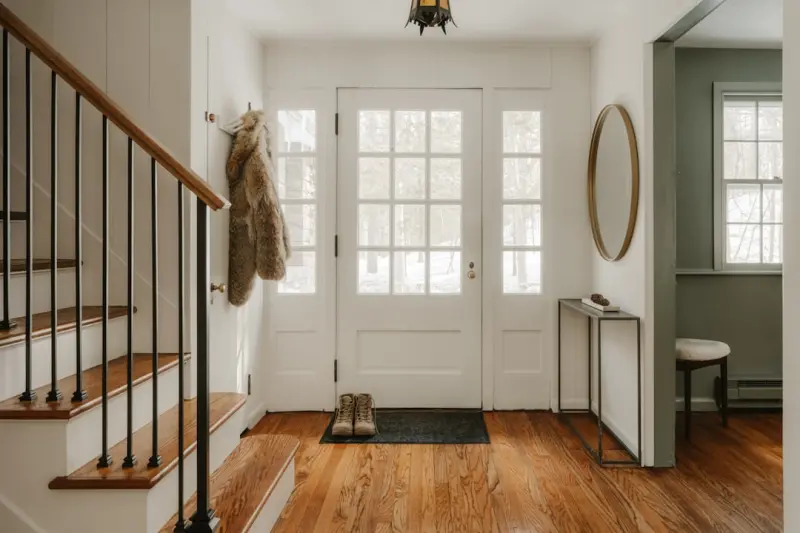
The Entryway Overhaul: Turning Your Front Door Space Into a Stress‑Busting Power Zone
A well‑designed entryway can lower stress and boost mood. Learn practical steps—decluttering, fu... Read More

Unlock Hidden Savings: Everyday Energy Hacks for a Greener Home
A practical guide to trimming your home’s energy use—room‑by‑room hacks that lower bills, im... Read More
Top Posts

Why Employee‑Led Communities Are the New Engine for Career Growth
Employee‑led communities are reshaping employment by providing continuous learning, fostering internal mobility, and enhancing retention. Discover practical s...Read More

Why Traveling the Unknown Turns You Into a Better Decision‑Maker
Exploring unfamiliar places forces rapid choices, cultural decoding, and resilience, training the brain for better decision‑making and innovation back at work...Read More
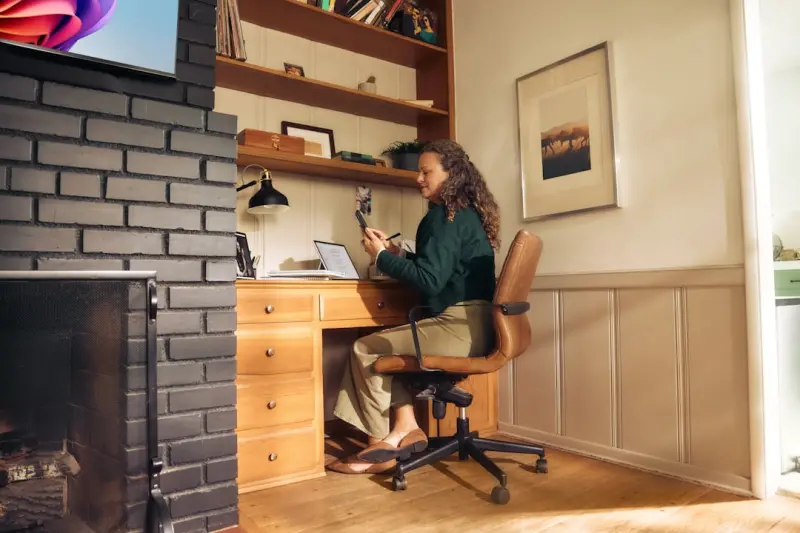
Transform Your Home Into a Productivity Powerhouse
Learn how to map zones, streamline tech, and embed micro‑breaks so your home becomes a powerful ally in your professional life....Read More

Creating Calming Nooks: Low‑Tech Strategies for Home Focus
A practical guide to crafting low‑tech calming corners in your home, using everyday items and mindful design to enhance focus and well‑being....Read More
0 Comments
Post Comment
You will need to Login or Register to comment on this post!