
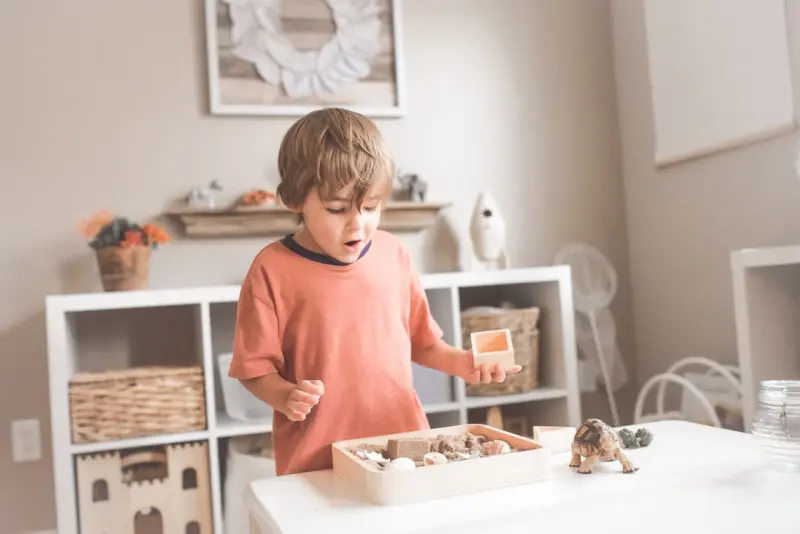
In the hustle of modern professional life, the word “play” often feels like a relic from kindergarten—something we’re told to outgrow. Yet, research is quietly uncovering a powerful truth: play isn’t just for kids; it’s a vital, brain‑fueling practice that can reset mood, sharpen focus, and build emotional resilience for adults. When we intentionally weave play into our daily routines, we create a mental health toolkit that’s both fun and scientifically grounded.
The Science Behind Playful Brainwaves
Neuroscientists have long known that the brain operates in distinct modes. The “default mode network” lights up when we day‑dream, while the “task‑positive network” dominates during focused work. Play, especially activities that are intrinsically rewarding and low‑stakes, toggles these networks in a balanced dance. This back‑and‑forth generates theta and alpha waves, which are associated with relaxed alertness, creativity, and stress reduction.
Beyond the electrophysiology, play stimulates the release of dopamine, serotonin, and endorphins—neurochemicals that underwrite pleasure, motivation, and pain relief. The result? A natural antidote to the chronic stress loops that many professionals fall into.
Why Adults Resist Play (And Why That’s a Problem)
Societal narratives paint play as frivolous, a distraction from “real” responsibilities. This mindset fuels a self‑fulfilling prophecy: the more we deem play unimportant, the less we allocate time to it, and the tighter the feedback loop of stress becomes. Moreover, corporate cultures that equate busyness with value inadvertently penalize those who pause to recharge.
When we deny ourselves playful moments, we also miss out on a crucial psychological safety net. Play encourages experimentation without fear of failure, fostering a growth mindset that can translate into better problem‑solving at work.
Reframing Play as a Mental‑Health Strategy
Imagine treating play like a scheduled meeting on your calendar—non‑negotiable, protected, and purposeful. By reframing it as a mental‑health practice, you shift the perception from “optional fun” to “essential maintenance.” This mental shift is the first step toward consistent implementation.
- Micro‑play breaks: 5‑minute bursts of spontaneous activity (e.g., doodling, a quick game of “rock, paper, scissors” with a coworker).
- Weekly play rituals: Set aside an hour on a weekend for a hobby that feels purely recreational.
- Social play sessions: Organize low‑pressure group activities—board games, improv, or a short dance jam.
Playful Practices That Fit a Busy Schedule
Here are five low‑commitment ideas that can be slotted into even the most packed calendars:
- Desk‑side doodle challenge: Keep a sketchpad nearby and give yourself a 3‑minute prompt (e.g., “draw a future city”). No artistic skill required—just the freedom to let your hand move.
- Gamified task lists: Turn your to‑do items into a point system. Reward yourself with a short stretch, a cup of tea, or a quick meme break after hitting a target.
- Micro‑movement games: Set a timer for 2 minutes and do a series of quick, playful movements—high‑knees, arm swings, or a goofy walk around the office.
- Random act of fun: Send a funny, non‑work‑related GIF to a teammate or leave a sticky note with a playful riddle on a colleague’s monitor.
- Playful reflection journal: End the day by answering a whimsical question: “If today were a cartoon, what would the soundtrack be?” This blends creativity with emotional processing.
Connecting Play to the Gut‑Brain Axis
Play isn’t just a brain‑centric activity; it ripples through the entire body. A lighthearted mood can improve digestion, and a healthy gut, in turn, fuels mental clarity. The gut‑brain connection is a two‑way street: probiotic‑rich foods support serotonin production, while reduced stress from play promotes a balanced microbiome. Think of playful moments as a gentle reminder for your gut to relax, creating a virtuous cycle of well‑being.
Cold‑Shock Reset: A Playful Twist on Resilience
While “cold‑shock reset” might sound like a hardcore bio‑hack, it can be approached with a playful mindset. The sudden plunge into cold water triggers a surge of norepinephrine, sharpening focus and boosting mood. By framing the experience as a game—timing yourself, celebrating each breath—you transform a potentially intimidating practice into a fun challenge. Learn more about how this technique can rewire both body and mind here.
Play as a Buffer Against Burnout
Burnout isn’t just about workload; it’s a cumulative depletion of emotional resources. Play injects novelty and joy, counteracting the monotony that fuels exhaustion. When you schedule a playful activity after a high‑stress meeting, you give your nervous system a chance to shift from sympathetic (fight‑or‑flight) dominance to parasympathetic (rest‑and‑digest) activation. Over time, these micro‑resets build resilience, making you less susceptible to chronic burnout.
The Role of Community in Playful Mental Health
Human beings are wired for social interaction. Play that involves others amplifies its benefits by releasing oxytocin, the “bonding hormone.” Whether it’s a virtual trivia night, a collaborative art project, or a quick group stretch, the shared laughter and cooperation deepen connections, reducing feelings of isolation—a known risk factor for anxiety and depression.
Integrating Play into Remote Work Environments
Remote work can blur the boundaries between professional and personal life, often eliminating spontaneous hallway chats that used to serve as informal play breaks. To compensate, create intentional digital play spaces:
- Virtual coffee roulette: Randomly pair teammates for a 10‑minute informal video chat.
- Online game rooms: Set up a shared Slack channel for quick games like “word association” or “pictionary.”
- Digital doodle walls: Use collaborative whiteboards where anyone can add quirky sketches throughout the day.
These practices preserve the serendipitous joy that office corridors once offered, reinforcing mental health across distributed teams.
Measuring the Impact of Play
Quantifying play’s benefits can help justify its inclusion in personal and corporate wellness strategies. Simple metrics include:
- Self‑reported mood scores: Rate your mood before and after a play session on a 1‑10 scale.
- Productivity markers: Track the number of tasks completed or the time taken on focused work blocks post‑play.
- Physiological data: If you use wearable tech, observe changes in heart‑rate variability (HRV) after playful breaks—higher HRV often signals reduced stress.
These data points can be compiled into a personal dashboard, turning playful moments into visible, actionable insights.
From Personal Practice to Organizational Culture
Forward‑thinking companies are beginning to embed play into their culture, not as a gimmick, but as a strategic mental‑health investment. Examples include:
- Designated “play pods” equipped with puzzles, musical instruments, or VR experiences.
- Quarterly “innovation play days” where employees tackle whimsical challenges unrelated to their core duties.
- Leadership modeling: Executives who publicly share their own playful rituals set a tone that normalizes joy at work.
When leadership embraces play, it signals that mental well‑being is a priority, encouraging employees to follow suit without fear of judgment.
Playful Mindset: Turning Everyday Tasks into Fun
Not every activity needs a separate play block. You can infuse playfulness into routine tasks:
- “Speed‑run” email triage: Challenge yourself to clear the inbox in a timed sprint, rewarding yourself with a short dance when you finish.
- Creative brainstorming with constraints: Limit ideas to three words or draw a mind map using only stick figures.
- Gamified commuting: Turn your walk or bike ride into a scavenger hunt—spot specific colors, shapes, or sounds.
These micro‑games transform mundane moments into sources of joy, keeping the mental‑health benefits of play continuously active.
Conclusion: Play as the Missing Piece in Modern Mental Health
While meditation, therapy, and exercise dominate the mental‑health conversation, play offers a complementary, accessible, and profoundly human approach. By intentionally integrating playful moments—whether through micro‑breaks, community games, or even a circadian rhythm alignment that respects your natural energy peaks—you empower yourself to navigate stress, foster creativity, and cultivate lasting resilience. So, the next time you feel the weight of a demanding deadline, remember: a quick, purposeful burst of play might just be the most effective tool in your mental‑health arsenal.

Jessica Gills is a freelance writer carving a niche for herself by empowering others through her words. With a focus on careers, self-development, and business, she helps readers navigate the complexities of the modern professional landscape.
Related Posts

Unlocking Mental Resilience Through Soundscapes and Storytelling
Explore the science behind soundscapes and storytelling as powerful, low‑tech tools for mental hea... Read More

Handcrafting Calm: How Tactile Creativity Reboots Your Brain
Explore the mental health benefits of handcrafting, from pottery to knitting, and learn practical wa... Read More
Finding Mental Space: Strategies to Thrive in a Hyper‑Connected World
Learn how to set intentional boundaries, declutter digital tools, and use mindful practices to safeg... Read More
Top Posts

From My Garden Desk: Rose DesRochers on the New Era of Employment
Rose DesRochers shares her journey turning a backyard garden into a thriving home office, offering actionable tips and data‑driven insights for the next gener...Read More
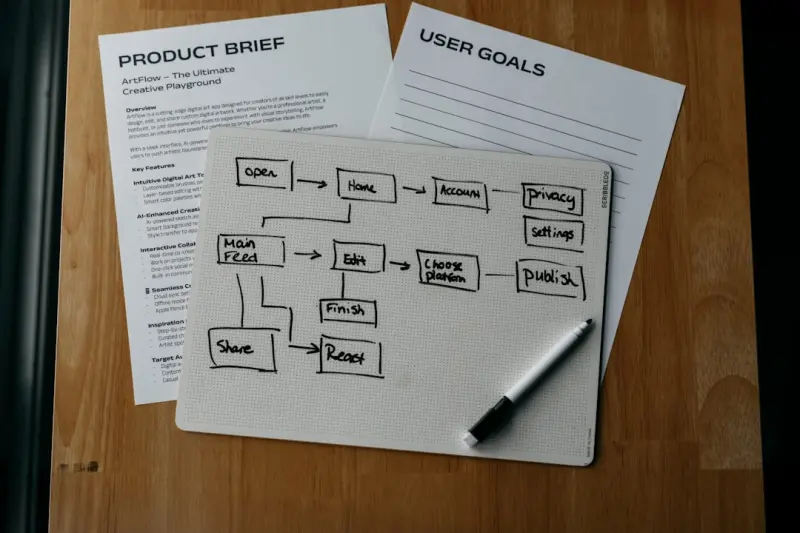
From Side Hustle to Sustainable Career: A Strategic Blueprint
Learn how to leverage skills, build a client pipeline, and use smart tools to turn a side hustle into a full‑time, resilient career path....Read More

Turn Your Seatback into a Classroom: A Business‑Travel Learning Blueprint
Discover a practical four‑step system to transform travel downtime into powerful professional development, from language practice to data‑visualisation mast...Read More
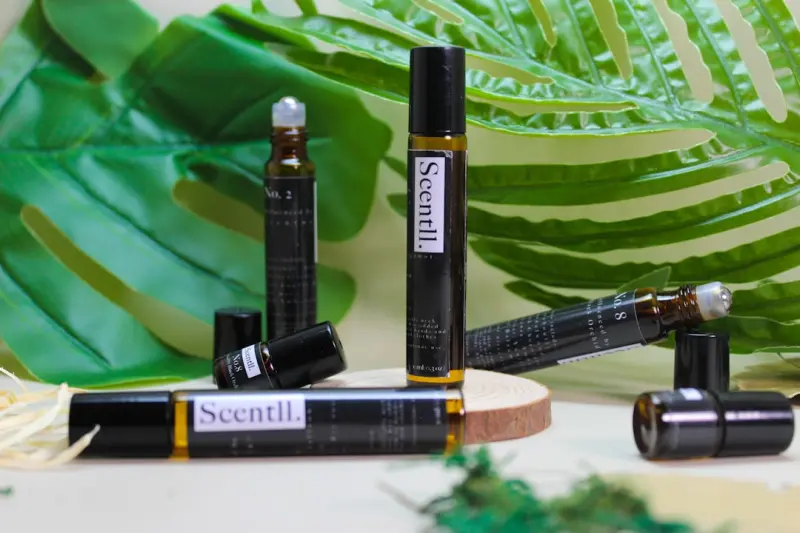
Scent‑Driven Self‑Care: Harnessing Aroma to Upgrade Your Daily Routine
A deep dive into using fragrance as a powerful personal care tool, showing how scent can elevate mood, sharpen focus, and turn everyday routines into moments of...Read More
0 Comments
Post Comment
You will need to Login or Register to comment on this post!