
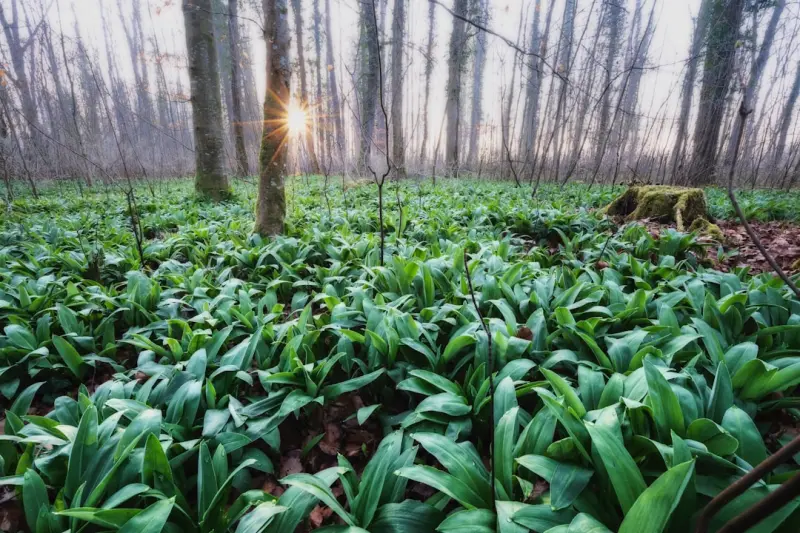
Imagine stepping out onto your patio and being greeted not just by fragrant roses or manicured shrubs, but by a thriving tapestry of fruit‑bearing trees, nitrogen‑fixing shrubs, and herbaceous perennials that all serve a purpose beyond aesthetics. This is the promise of an edible landscape—a garden that looks beautiful year‑round while silently feeding you, your family, and the local ecosystem.
Why Edible Landscapes Are Gaining Momentum
For decades, the conventional garden has been split into two camps: the ornamental lover who curates visual perfection, and the food‑producer who tolerates the occasional visual compromise for a harvest. The edible landscape model dissolves that binary, merging form and function in a single, resilient design.
There are several forces pushing this movement forward:
- Rising food costs: As grocery prices climb, homeowners are seeking ways to offset expenses without sacrificing quality.
- Climate uncertainty: A diversified garden that incorporates native and climate‑adapted species can better weather extreme weather, drought, or unexpected freezes.
- Wellness trends: Consumers are more conscious about where their food originates, favoring home‑grown, pesticide‑free produce.
- Urban land scarcity: By stacking functions—using vertical space, groundcover, and multi‑layered planting—small yards can produce surprisingly large yields.
Getting Started: The Three‑Layer Food Forest Blueprint
The backbone of any edible landscape is the food forest concept, which mimics natural forest structure in three distinct layers:
- Canopy (or overstory): Tall fruit or nut trees that provide shade and a harvest of large fruits.
- Mid‑story: Dwarf fruit trees, berry bushes, or nitrogen‑fixing shrubs that thrive under partial shade.
- Understory (ground layer): Herbs, perennial vegetables, and low‑lying vines that carpet the soil.
When these layers are thoughtfully combined, each plant supports the others, creating a self‑sustaining ecosystem. For instance, a nitrogen‑fixing shrub like Amorpha fruticosa enriches the soil for neighboring fruit trees, while a groundcover such as creeping thyme suppresses weeds and attracts pollinators.
Selecting the Right Species for Your Space
Choosing plants that thrive in your micro‑climate is crucial. While home micro‑climate tricks often focus on indoor comfort, the same principles apply outdoors. Begin by observing sun patterns, wind exposure, and soil drainage. Then match species to those conditions:
- Sunny, well‑drained spots: Apple (Malus domestica), fig (Ficus carica), rosemary (Rosmarinus officinalis).
- Partial shade: Serviceberry (Amelanchier spp.), hazelnut (Corylus avellana), mint (Mentha spp.)—but keep mint contained.
- Moist, low‑lying areas: Elderberry (Sambucus canadensis), watercress (Nasturtium officinale), low‑grow strawberries (Fragaria × ananassa).
Never overlook native plants. They are already adapted to local pests, soil types, and weather extremes, reducing the need for extra inputs.
Designing for Aesthetics: The Art of Plant Pairing
Edible does not have to mean chaotic. By employing color theory and texture contrast, you can craft a garden that feels intentional and polished:
- Color blocks: Plant a row of bright orange nasturtiums beneath a deep‑green kale border for a striking visual cue.
- Texture layers: Pair the glossy leaves of lemon balm with the feathery foliage of lamb’s ear (Stachys byzantina).
- Seasonal interest: Choose species that bloom at different times—early spring crocus, midsummer blueberries, autumnal maples—to keep the garden dynamic throughout the year.
Water Management: Harnessing the Elements
Efficient irrigation is the lifeblood of any garden, especially one that aims to produce food. Consider these strategies:
- Swales and rain gardens: Low‑lying trenches that capture runoff, allowing water to infiltrate slowly and feed plant roots.
- Mulching: A thick layer of organic mulch (straw, wood chips) conserves moisture, suppresses weeds, and adds nutrients as it decomposes.
- Drip systems: Targeted watering reduces waste and directs moisture directly to the root zone.
These techniques also align with the ethos of everyday home tweaks that save money and improve comfort—only now the savings flow into your pantry.
Soil Health: The Foundation of Productivity
Before planting, invest in a soil test. Knowing the pH, organic matter content, and nutrient levels lets you amend the ground precisely. Common amendments include:
- Compost: Increases organic matter, improves structure, and supplies a slow‑release nutrient reservoir.
- Biochar: Enhances water retention and provides habitat for beneficial microbes.
- Rock phosphate: Raises phosphorus levels for stronger root development and fruit set.
Incorporate cover crops like clover or winter rye during off‑season months. They fix nitrogen, prevent erosion, and add biomass that can be turned into mulch.
Maintenance Made Simple: Leveraging Perennials
One of the biggest draws of edible landscapes is reduced annual labor. Perennial fruiting plants—such as rhubarb, asparagus, and certain berry bushes—come back year after year with minimal intervention. Pair them with low‑maintenance groundcovers like creeping thyme, which not only fills space but also releases aromatic oils that deter pests.
Pruning schedules are straightforward:
- Fruit trees: Light annual pruning during dormancy to shape canopy and promote airflow.
- Berry bushes: Remove old canes after harvest to encourage new growth.
- Herbs: Trim back after flowering to keep plants bushy and productive.
By establishing a rhythm, you’ll spend less time on chores and more time enjoying the bounty.
Harvesting and Storage: Extending the Season
When your garden yields, the next challenge is preserving that abundance. Simple storage methods can keep produce fresh for months:
- Root cellars: An underground or well‑insulated space maintains cool, stable temperatures ideal for potatoes, carrots, and apples.
- Fermentation: Turn cabbage into sauerkraut or carrots into kimchi, adding probiotic benefits.
- Drying: Air‑dry herbs, tomatoes, and chilies on racks or in low‑heat ovens.
These practices not only stretch your harvest but also reduce waste—a win for both the planet and your grocery bill.
Community Impact: Sharing the Bounty
Edible landscapes can become neighborhood assets. Invite neighbors for a seasonal “harvest party,” swap surplus produce, or host a gardening workshop. The sense of community that blossoms from shared food echoes the deeper human need for connection, reminiscent of the way micro‑movements build health in small, consistent actions.
When you turn a private yard into a source of nourishment, you also inspire others to re‑imagine their own spaces, creating a ripple effect of sustainability.
Cost Considerations: Budgeting for a Fruitful Garden
While the upfront investment can seem daunting—especially when purchasing mature trees or specialty shrubs—long‑term savings are substantial. Here’s a rough breakdown:
| Item | Initial Cost | Annual Savings (approx.) |
|---|---|---|
| Dwarf apple tree (3‑year‑old) | $45 | $200 (fruit) |
| Berry bush (raspberry) | $20 | $120 (fruit) |
| Compost bin | $30 | $150 (reduced fertilizer) |
| Mulch (10 cu ft) | $25 | $75 (water savings) |
Within two to three seasons, many gardeners recoup their initial outlay, and the savings compound as the plants mature.
Integrating Technology: Smart Gardens for the Modern Homeowner
For those who love data, smart soil sensors can monitor moisture, temperature, and nutrient levels in real time. Pair them with a mobile app that sends alerts when watering is needed or when a pest outbreak is detected. This tech‑assisted approach aligns with the broader trend of making homes more intelligent without sacrificing the tactile joy of gardening.
Common Pitfalls and How to Avoid Them
Even seasoned gardeners can stumble. Here are some frequent missteps and practical fixes:
- Planting too densely: Overcrowding leads to competition for light and nutrients. Use the “spacing rule”—give each mature plant the width it will eventually need.
- Ignoring pollinator needs: Plant a variety of flowering herbs (lavender, sage) and provide nesting sites to encourage bees and butterflies.
- Over‑watering: Soil that stays soggy invites root rot. Employ a rain gauge or moisture meter to fine‑tune irrigation.
- Neglecting seasonal pruning: Skipping this step reduces fruit set and can make plants more susceptible to disease.
Conclusion: A Garden That Feeds Body, Mind, and Community
Edible landscapes are more than a horticultural fad—they’re a practical response to economic, environmental, and social challenges. By weaving together aesthetics, sustainability, and food production, you create a space that delights the senses while delivering tangible benefits. Whether you have a sprawling backyard or a modest balcony, the principles of layered planting, smart water management, and seasonal care can be scaled to fit any footprint.
Start small: plant a few herbaceous perennials, observe how they interact, and let the garden evolve organically. In time, you’ll witness a quiet transformation—your home becomes a living pantry, a sanctuary for pollinators, and a gathering spot for friends and family. The journey from ornamental to edible is a rewarding one, and every step you take brings you closer to a self‑sufficient, beautiful home that truly feeds your soul.

Robert Mathews is a professional content marketer and freelancer for many SEO agencies. In his spare time he likes to play video games, get outdoors and enjoy time with his family and friends .
Related Posts

From Balcony to Bounty: Turning Tiny Outdoor Spaces into Year‑Round Food Oases
Discover step‑by‑step strategies to turn a modest balcony into a productive food oasis, from ass... Read More
Edible Landscaping: Turning Your Yard into a Living Pantry
Learn the art of edible landscaping—combine aesthetics and harvestable plants for a stunning, sust... Read More

From “I’ll Work Somewhere Else” to a Purpose‑Built Garden Desk
Ever caught yourself daydreaming about swapping the hum of your HVAC for the rustle of leaves, the c... Read More
Top Posts

Email Zen: Rewire Your Inbox for Mental Clarity
Discover the Email Zen framework: a step‑by‑step guide to managing your inbox mindfully, reducing anxiety, and freeing mental space for deeper work....Read More

Fermented Foods: The Tiny Jar Revolution Transforming Your Health
A personal journey into the world of fermented foods reveals their powerful impact on gut health, immunity, mood, and overall well‑being, offering simple ways...Read More

Flavor Trails: Mapping Your Next Culinary Adventure
Explore a fresh travel angle that uses food as a compass, guiding you through coastal markets, mountain farms, and immersive cooking experiences for a truly fla...Read More

The Hidden Power of Everyday Home Tweaks: Boost Comfort, Save Money, and Feel More Alive
Small, intentional adjustments—like optimizing light, sealing drafts, adding greenery, and creating micro‑digital‑free zones—can dramatically improve co...Read More
0 Comments
Post Comment
You will need to Login or Register to comment on this post!