
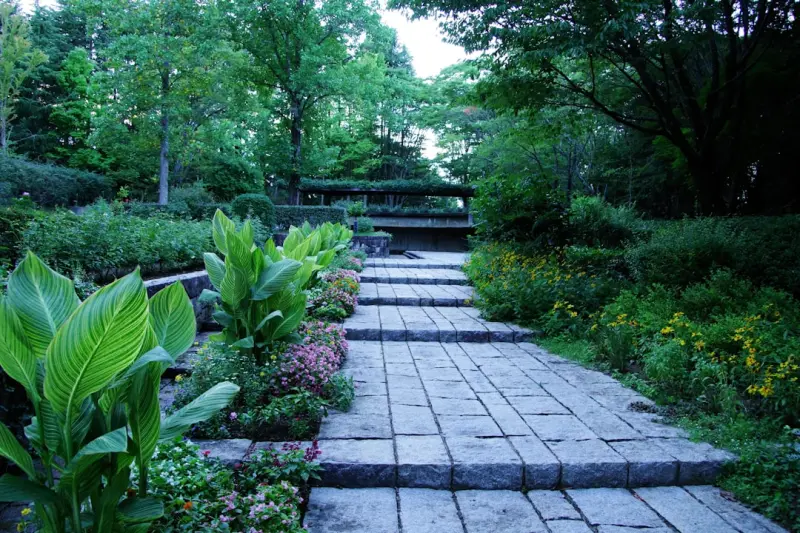
Why Native Plants Are the Secret Weapon for Busy Homeowners
When your inbox is overflowing and your calendar is booked solid, the last thing you want to worry about is a garden that needs daily watering, pruning, or pest‑control trips. The answer isn’t a high‑tech sprinkler system or a subscription to a landscaping service; it’s native plants. These locally adapted species have evolved to thrive in your climate, soil, and rain patterns, meaning they demand far less attention than exotic imports. The result? A garden that looks intentional, vibrant, and alive—while you’re still focused on your next meeting.
Understanding the Native Advantage
Native plants are more than just “local flora.” They are the backbone of regional ecosystems, supporting pollinators, birds, and beneficial insects. By choosing them, you’re not only simplifying maintenance but also contributing to biodiversity. Here are three concrete benefits that translate directly into time‑saving perks:
- Water Efficiency: Their root systems are already tuned to capture the amount of rain your area receives, so they often survive on natural precipitation alone.
- Pest Resilience: Because they’ve co‑evolved with local pests, they’re naturally resistant to many of the bugs that devastate non‑native species.
- Soil Compatibility: Native plants thrive in the native soil composition, reducing the need for costly soil amendments or fertilizers.
Design Principles for a Low‑Maintenance Native Garden
Creating a garden that works for a hectic lifestyle isn’t about planting a random mix of hardy shrubs. It’s about strategic design that maximizes visual impact while minimizing upkeep. Below are the core principles to guide you:
1. Group Plants by Water Need
Even within the native category, some plants love moisture while others prefer drier conditions. Arrange them in “hydro‑zones” so you can water each zone efficiently—or let the rain do the work. This zoning reduces the number of watering cycles you have to remember each week.
2. Embrace Layered Structure
Think of your garden as a three‑dimensional tapestry: a ground‑cover layer, a mid‑height shrub layer, and a vertical canopy layer. This not only creates visual depth but also reduces weed invasion—each layer shades the soil and limits space for unwanted seedlings.
3. Choose Evergreen Anchors
Evergreen natives such as American holly or Southern wax myrtle provide year‑round structure. They act as the “skeleton” of your garden, so you won’t see a barren landscape during the winter months.
4. Add Seasonal Color Pops
While evergreens give stability, you’ll still want bursts of color. Plant spring‑blooming natives like Eastern columbine, summer‑flowering coneflowers, and fall‑accenting asters. Because they’re native, each will naturally follow its own bloom cycle without extra deadheading.
Practical Steps to Get Started
Even if you’re not a horticulturalist, you can launch a native garden in a weekend. Follow this step‑by‑step checklist:
- Assess Your Site: Note sun exposure, soil type, and drainage patterns. Sketch a simple map marking sunny, partially shaded, and fully shaded zones.
- Research Local Species: Your city’s extension office or native plant society usually offers a list of region‑specific natives. Choose a handful that match each zone’s conditions.
- Source Plants Responsibly: Purchase from reputable nurseries that specialize in native plants. Avoid “wild‑collected” specimens, which can harm local ecosystems.
- Prepare the Soil: Native plants generally need little amendment, but a light mulch layer (shredded bark or leaf mold) can improve moisture retention and suppress weeds.
- Plant Strategically: Start with larger, structural plants (evergreens, shrubs) and fill gaps with perennials and groundcovers.
- Mulch and Water: Apply a 2‑inch mulch blanket, then give a deep soak. After the first month, you can likely reduce watering to once a week, or even less during rainy periods.
Smart Tools to Keep Your Garden Low‑Effort
Technology can be a silent ally, but it shouldn’t dominate your garden. Simple tools that enhance low‑maintenance practices include:
- Rain Sensors: Attach a sensor to a drip system that only activates when soil moisture drops below a set threshold.
- Self‑Cleaning Watering Hoses: These hoses prevent clogging from sediment—a common issue with low‑flow irrigation.
- Smart Soil Thermometers: Knowing the soil temperature helps you decide the best planting window without guesswork.
Integrating Functional Spaces Without Adding Workload
A garden isn’t just about plants; it’s also about how you use the space. Here are two ways to add functionality while keeping care minimal:
Outdoor “Work‑From‑Home” Nooks
Set up a small table and chair under a native canopy tree like Southern live oak. The shade reduces heat, and the tree’s leaf litter naturally fertilizes the soil over time.
Native Plant “Storage” Zones
If you have a modest shed or a garden tool cabinet, consider turning it into a creative oasis that doubles as a plant staging area. Store pots, seedlings, and gardening tools in labeled bins. By keeping everything organized, you cut down on the time spent hunting for the right tool during a quick garden fix.
Maintaining the Garden in Small Increments
Even the most self‑sufficient native garden benefits from occasional attention. The trick is to break tasks into bite‑size chores you can squeeze into a coffee break:
- Monthly Mulch Top‑Ups: Add a thin layer of fresh mulch to keep soil moist and discourage weeds.
- Seasonal Pruning: Lightly trim any overgrown branches after flowering to maintain shape; most natives self‑prune.
- Annual Soil Test: One quick test per year tells you if you need any pH adjustment—often not needed for natives.
Case Study: A Busy Tech Professional’s Transformative Garden
Meet Maya, a software engineer who works 60‑plus hours a week and lives in a modest two‑bedroom house with a small backyard. Maya wanted a garden that felt like a retreat without turning her weekend into a labor‑intensive project. Here’s what she did:
- She consulted her local Native Plant Society for a list of drought‑tolerant natives.
- She mapped her yard’s sun exposure and grouped plants accordingly.
- She installed a rain‑sensing drip line and used a clever storage system in her shed to keep pruning tools and potting soil neatly organized.
- She planted a mix of Coreopsis (golden summer blooms), Black-eyed Susan (late summer color), and Winterberry holly (winter berries).
Six months later, Maya reports spending less than 15 minutes a week in her garden. She enjoys a fragrant, colorful space that attracts butterflies and hummingbirds, and she no longer feels guilty about neglecting her outdoor area.
Common Misconceptions About Native Gardens
Even seasoned gardeners sometimes hold onto myths that deter them from going native. Let’s debunk a few:
- “Native plants are boring.” – Far from it. Many natives have striking foliage, unique seed heads, and dramatic blooms that rival any ornamental variety.
- “I need a large space for a native garden.” – No. Native groundcovers can carpet a balcony, and dwarf varieties fit perfectly in container gardens.
- “Native plants won’t survive in a landscaped setting.” – When paired with thoughtful design (layers, structure, seasonal interest), they create cohesive, garden‑ready displays.
Future‑Proofing Your Garden
Climate change is altering precipitation patterns and temperature ranges. Native plants, already adapted to local conditions, are better equipped to handle these shifts. By investing in a native garden now, you’re future‑proofing your outdoor space against droughts and heatwaves, ensuring it remains a low‑maintenance sanctuary for years to come.
Final Thoughts: Less Work, More Joy
When you let nature do the heavy lifting, you reclaim valuable time for yourself, your family, and your passions. Native plant gardens embody the principle of “work smarter, not harder.” They offer a vibrant, resilient backdrop to everyday life, require minimal watering, and support local wildlife—all without demanding daily attention. If you’ve been dreaming of a beautiful yard but can’t commit to a high‑maintenance routine, the native garden is your answer.
Ready to start? Begin with a site assessment, choose your favorite natives, and watch as your garden evolves into a low‑maintenance masterpiece that reflects the spirit of your home—and your busy life.

Sanji Patel has dedicated 25 years to the SEO industry. As an expert SEO consultant for news publishers, he emphasizes providing both technical and editorial SEO services to news publishers worldwide. He frequently speaks at conferences and events globally and offers annual guest lectures at local universities.
Related Posts

How to Turn a Rental Into a Dream Home Without Breaking the Lease
Learn how to personalize a rental with peel‑and‑stick walls, modular furniture, clever lighting,... Read More
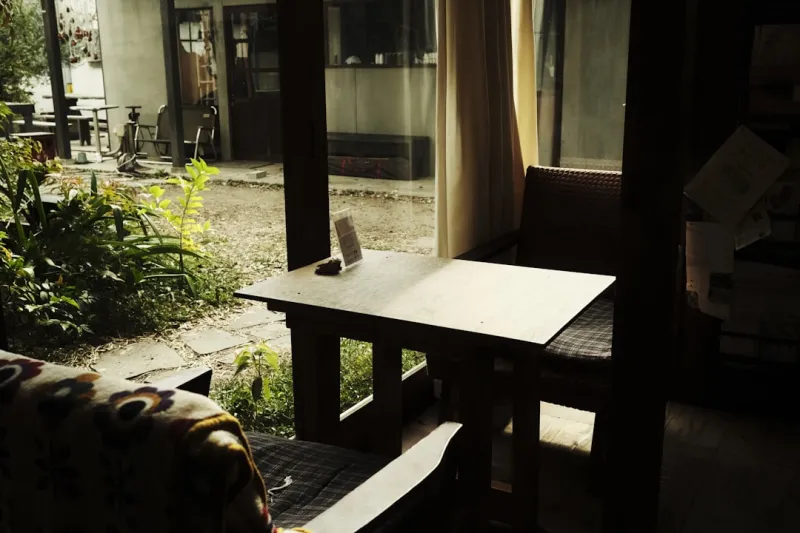
From My Garden Desk: How a Green Workspace is Redefining Home & Garden Living
Jimmy Damon reveals why his garden‑powered office is the future of work, blending nature, tech, an... Read More
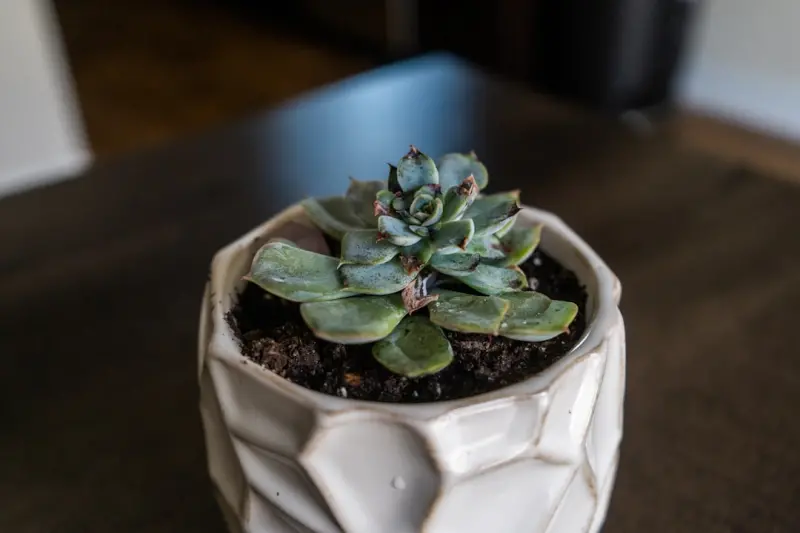
DIY Upcycled Planters: Turning Household Waste into Garden Art
Learn to turn discarded items into eye‑catching planters, blend art with sustainability, and keep ... Read More
Top Posts
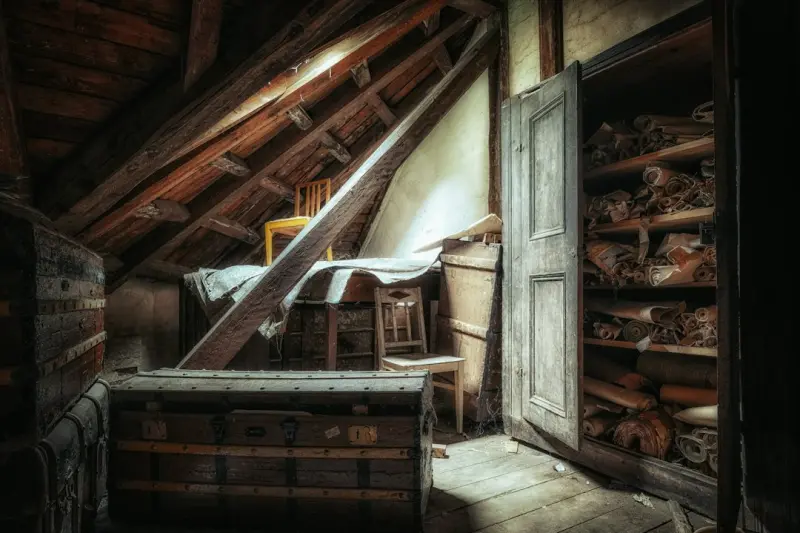
Unlocking the Hidden Potential of Your Attic: From Clutter to Chic
Discover how to turn an underused attic into a stunning, functional space—whether a home office, reading nook, or creative studio—through strategic design, ...Read More
Designing a Hybrid‑Work Mental‑Health Blueprint
A step‑by‑step guide to building micro‑rituals, smart‑lighting, and digital boundaries that safeguard mental well‑being in hybrid work setups....Read More
The Curiosity Habit: A Simple Practice for Stronger Mental Resilience
A fresh look at mental wellness reveals curiosity as a powerful, everyday tool. Learn simple habits to rewire your brain, deepen relationships, and build lastin...Read More

AI as Your SaaS Documentation Ally: Turning Docs from Bottleneck to Superpower
AI can transform the way SaaS teams create and maintain documentation, turning a chronic bottleneck into a strategic advantage by generating first drafts, valid...Read More
0 Comments
Post Comment
You will need to Login or Register to comment on this post!