
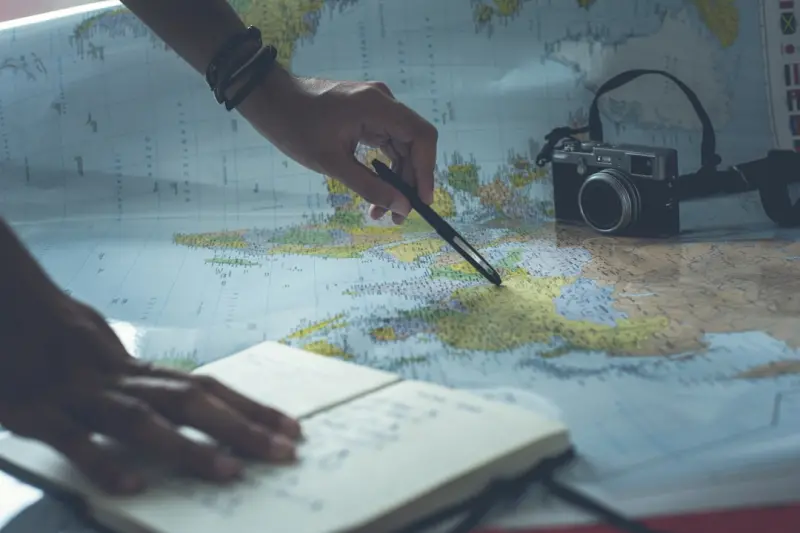
Why Travel Should Be a Full‑Body Experience, Not Just a Photo Album
When I first set out with a backpack and a vague itinerary, my goal was simple: collect the perfect sunset snap for my Instagram feed. Six months later, after wandering through bustling markets, quiet mountain villages, and rain‑kissed coastlines, I realized that the most vivid memories weren’t the images I framed on a screen—they were the smells of fresh‑baked bread in a tiny bakery, the texture of river‑stone under my fingertips, and the low‑hum of a distant choir echoing through a cathedral.
Travel, at its core, is a multisensory dialogue between you and a place. Yet modern itineraries often reduce that conversation to a checklist of landmarks and a carousel of filtered photos. In this post, I’ll share a fresh approach: treating each trip as a sensory diary that captures taste, sound, scent, touch, and sight in equal measure. By the end, you’ll have a toolkit for turning ordinary trips into unforgettable, immersive stories you can relive long after you’ve unpacked your suitcase.
The Five Senses as Travel Compasses
Most travelers instinctively lean on sight—photographs, Instagram reels, and panoramic vistas dominate travel narratives. While sight is undeniably powerful, the other four senses are often the silent architects of lasting memory. Here’s how to enlist each one as a guide.
- Scent: Our olfactory system is directly linked to the brain’s memory center. A single whiff can teleport you back to a bustling spice market or a pine‑laden trail.
- Sound: Ambient noises—from the rhythmic splash of waves to the chatter of a local bazaar—create an acoustic backdrop that frames our emotional response.
- Taste: Food is culture in edible form. Sipping a locally brewed tea or sampling street‑side delicacies can reveal stories no guidebook tells.
- Touch: The texture of ancient stone walls, the coolness of a mountain stream, or the softness of a hand‑woven blanket offers a tactile connection to place.
- Sight: Of course, visual cues anchor the narrative, but they become richer when layered with the other senses.
When you deliberately engage each sense, you create a mental tapestry that feels as vivid as the moment itself, and far more resistant to the fading that occurs with visual overload alone.
Step‑by‑Step: Building Your Sensory Diary on the Road
Below is a practical workflow you can adopt on any journey, whether it’s a weekend city break or a three‑month overland expedition.
1. Pack a “Sensory Kit”
Before you leave, assemble a small kit that makes it easy to capture non‑visual impressions:
- A pocket‑size notebook or a digital note app with voice‑recording capabilities.
- A compact reusable scent‑catcher (a small fabric pouch that can hold a sprig of rosemary, a pinch of dried lavender, or any fragrant souvenir).
- A tiny sample container for liquids—perfect for collecting a splash of local tea, a pinch of sea salt, or a drop of essential oil.
- A set of textured fabric swatches or a small piece of local textile to press against your skin or bag.
These tools keep you from relying solely on your phone’s camera and encourage you to pause and absorb the moment.
2. Adopt the “5‑Minute Sensory Pause”
When you step into a new environment, give yourself a five‑minute window to observe without rushing. Close your eyes, inhale deeply, listen for ambient sounds, and note the temperature of the air. Jot down quick bullet points or record a voice memo. This habit trains your brain to register details you’d otherwise miss in the hustle of itinerary hopping.
3. Translate Senses into Stories
Later in the day, revisit your notes. Turn a scent note like “cinnamon‑spiced incense drifting from a narrow alley” into a short anecdote. Pair it with a photo of the alleyway, but let the description lead the reader’s imagination. This method creates content that feels authentic and emotionally resonant—something readers crave in a world saturated with generic travel snapshots.
4. Curate a Multi‑Sensory Travel Album
When you return home, don’t just dump images onto a digital album. Create a layered presentation:
- Embed short audio clips of street musicians or market chatter alongside photos.
- Include scent descriptions and, if possible, a physical scent sample in a printed travel journal.
- Add a “Taste Log” page that lists dishes tried, ingredients you recognized, and your personal rating.
These elements transform a static photo roll into an immersive experience you can revisit anytime.
Case Study: From a Coastal Town to a Sensory Masterpiece
Last spring, I spent a week in the fishing village of Maré Verde. Here’s how I applied the sensory diary method:
Scent
Each morning, a salty breeze mingled with the faint aroma of smoked sardines hanging on a rope outside the market. I collected a tiny sachet of sea‑weed that the local women offered—its briny perfume still lingers when I open my desk drawer.
Sound
The soundscape was a chorus: gulls crying overhead, the rhythmic clatter of wooden boats against the dock, and an elderly man humming a sea shanty while mending nets. I recorded a minute of this soundscape with my phone’s voice memo and now play it when I need a mental reset.
Taste
I sampled a humble dish called “Caldeirada,” a stew brimming with fresh fish, tomatoes, and a splash of local white wine. I noted the bright acidity that balanced the oceanic flavor, and later, I attempted to recreate it at home, discovering that the dish’s soul lay in a single sprig of local rosemary—a herb I later learned about in herbal traditions that power daily rituals.
Touch
Walking barefoot on the pebble‑strewn beach gave me a grounding sensation that no shoe could replicate. I pressed a smooth river stone into my notebook, securing it with a small piece of twine. When I flip to that page now, the stone’s cool weight reminds me of that sunrise walk.
Sight
Sunset painted the sky in molten amber, but the true visual story unfolded when the fishermen lit lanterns, casting golden halos that danced on the water’s surface. I captured a photo, then paired it with my scent and sound notes to recreate the full scene in my travel blog.
By the end of the week, my travel journal from Maré Verde read less like a checklist and more like an anthology of sensory vignettes. The experience stayed vivid for months, while the photo album alone would have faded into a blur of similar sunsets.
Integrating Technology Without Overpowering the Senses
Technology can be a helpful ally, but it should amplify, not replace, the sensory experience. For instance, you can use a small, portable connected device that tracks ambient sound levels, letting you notice when a city’s bustle drops to a tranquil hush—an ideal moment for a sensory pause.
Alternatively, a language‑learning app that offers pronunciation practice can help you hear local phrases correctly, enriching the auditory aspect of your journey. The key is to set boundaries: designate “offline windows” where you deliberately turn off notifications and focus on the five senses.
Travel for the Soul: How Sensory Immersion Boosts Well‑Being
Engaging fully with your environment has measurable benefits. Studies show that scent‑triggered memories can lower stress hormones, while mindful listening reduces anxiety. By cultivating a habit of sensory awareness, you’re not just collecting richer stories—you’re actively supporting mental health and resilience during and after travel.
Moreover, this practice encourages slower, more intentional travel. You’ll find yourself staying longer in neighborhoods you connect with, fostering deeper relationships with locals, and gaining insights that a rapid‑tour approach can never provide.
Putting It All Together: A Sample 3‑Day Sensory Itinerary
To help you get started, here’s a concise itinerary for a city known for its vibrant street life. Feel free to adapt the structure to any destination.
Day 1 – Arrival & First Impressions
- Morning: Walk from the train station to your lodging, paying attention to the city’s ambient sounds. Record a brief audio snippet.
- Afternoon: Visit a local market. Sample a fruit you’ve never tried, note the texture, taste, and any scent notes. Collect a small spice packet (if allowed).
- Evening: Sit on a rooftop café. Observe the city lights, describe the colors, and write a short paragraph about how the evening air feels on your skin.
Day 2 – Deep Dive into Culture
- Morning: Take a cooking class. Capture the clatter of pans, the aroma of simmering broth, and the tactile sensation of kneading dough.
- Afternoon: Explore a historic district. Touch the stone carvings, feel the coolness of ancient walls, and sketch a quick outline.
- Evening: Attend a live music performance. Note the rhythm, instruments, and any recurring melodic motifs that stay with you.
Day 3 – Reflection & Departure
- Morning: Return to the market for a final sensory recap. Choose a favorite scent and purchase a small vial to take home.
- Afternoon: Write a reflective entry that weaves together all five senses from the trip.
- Evening: Pack your sensory kit, ensuring each item (scent pouch, stone, spice packet) is safely stored for the journey back.
By the time you board your flight, you’ll have a collection of multi‑dimensional memories that no single photo can convey.
Final Thoughts: Make Every Journey a Symphony of Senses
Travel isn’t just about ticking boxes; it’s an invitation to engage fully with the world around you. When you consciously attend to smell, sound, taste, touch, and sight, you transform a simple trip into a living, breathing narrative that stays with you forever.
So, the next time you plan an escape—whether it’s a weekend city break or a cross‑continent adventure—remember to pack your sensory kit, pause for those five‑minute checks, and let each sense be a compass guiding you toward deeper connection. Your future self will thank you for the richness of the memories you’ll carry home.

When it comes to the world of blogging and writing, Rose DesRochers is a name that stands out. Her passion for creating quality content and connecting with her audience has made her a trusted voice in the industry. Aside from her skills as a writer and blogger, Rose is also known for her compassionate nature.
Related Posts
Beyond the Map: Crafting Stories with Your Senses on the Road
Explore travel as a sensory narrative, using sound, scent, touch, and taste to create lasting storie... Read More
Curiosity on the Move: Turning Travel Into a Brain‑Boosting Innovation Engine
Discover how to design trips that fire up dopamine, acetylcholine, and norepinephrine, turning every... Read More
When the Road Unfolds: Harnessing Unplanned Moments for Creative Travel
Explore the power of unplanned moments on the road, turning chance encounters into lasting creative ... Read More
Top Posts

Reclaiming Rest: How Intentional Sleep Rituals Transform Health
Sleep isn’t a luxury—it's a health cornerstone. Jill Hamilton reveals actionable rituals, environment hacks, and mindset shifts that can revive your body an...Read More

The Living Employment Contract: How Adaptive Agreements Boost Agility and Retention
Traditional static contracts hinder modern workplaces. Learn how adaptive, living agreements can improve retention, foster agility, and empower employees to sha...Read More
From Soil to Success: Rose DesRochers’ Guide to the Hottest Garden Desk Trend
Rose DesRochers reveals how a simple garden desk can boost productivity, wellbeing, and sustainability, offering a step‑by‑step guide to the 2024 home & gar...Read More
The Home Power Grid: Turning Every Room Into a Productivity Hub
Learn how to map energy zones, wire your space with smart tools, and design a flexible home power grid that supports work, wellness, and relaxation....Read More
0 Comments
Post Comment
You will need to Login or Register to comment on this post!