
Why the Body Clock Matters More Than Ever
When I first swapped my downtown office for a home‑based setup, I thought the freedom to set my own schedule would be a game‑changer. I was wrong. My nights became a blur of emails, Netflix, and the occasional midnight snack, and my mornings felt like a battle against a stubborn alarm clock. What I didn’t realize was that I was silently sabotaging my health by ignoring the circadian rhythm—the internal timekeeper that governs everything from hormone release to metabolism.
Understanding the Circadian Rhythm in Plain English
At its core, the circadian rhythm is a 24‑hour cycle driven by a master clock in the brain’s suprachiasmatic nucleus (SCN). Light enters the eyes, sends signals to the SCN, and the SCN tells the body when to be awake and when to wind down. Disrupt this cycle, and you invite a cascade of health issues: impaired glucose tolerance, weakened immune response, mood swings, and even a higher risk of chronic diseases.
Think of the rhythm as a symphony. Each instrument (hormones, body temperature, melatonin) must enter at the right moment. Miss a beat, and the whole performance suffers.
Common Modern Disruptors (And Why They’re Sneaky)
- Artificial Light Overload: Blue‑rich LED screens suppress melatonin, making it harder to fall asleep.
- Irregular Meal Times: Eating late at night tells the gut that it’s still daytime, confusing metabolic pathways.
- Stress‑Induced Cortisol Spikes: High cortisol levels at night keep the brain alert, delaying the onset of deep sleep.
- Inconsistent Wake‑Up Times: Weekends that stretch sleep in by several hours create “social jetlag,” which can be more damaging than occasional travel across time zones.
Three Science‑Backed Hacks to Reset Your Clock
1. Master the Morning Light Ritual
Expose yourself to natural sunlight within the first 30 minutes after waking. If you can’t get outside, a light therapy box set to 10,000 lux for 20 minutes works wonders. This simple act tells the SCN, “It’s daytime,” and nudges cortisol into its natural peak, giving you an energy boost that’s free of caffeine crashes.
2. Align Your Meals With Your Clock
Our bodies are primed to digest and metabolize food efficiently during daylight. Aim for your largest meals before 3 p.m. and keep dinner light and protein‑rich, preferably before 7 p.m. If you need a post‑dinner snack, choose something low‑glycemic like a handful of almonds or a small serving of Greek yogurt.
For those who love a gut‑focused approach, the Microbiome‑First Personal Care movement reminds us that a balanced gut flora not only supports skin health but also stabilizes circadian rhythms through the production of short‑chain fatty acids that influence melatonin synthesis.
3. Create a “Digital Sunset” Routine
Thirty minutes before bed, switch off all blue‑light devices. If you need to stay connected, use amber‑filtered glasses or activate night‑mode settings. Replace scrolling with a calming activity: reading a paperback, gentle stretching, or a brief journaling session.
Speaking of journaling, the Pocket‑Size Reflection habit—writing three lines about your day’s gratitude—can reduce rumination and lower cortisol, setting the stage for smoother sleep.
Beyond the Basics: Advanced Strategies for the Health‑Conscious Professional
If you’ve already mastered the three core hacks, consider these next‑level tactics:
- Timed Caffeine: Limit coffee to before 11 a.m. and keep total intake under 300 mg daily.
- Strategic Napping: A 10‑20 minute “power nap” between 1 p.m. and 3 p.m. can boost alertness without interfering with nighttime sleep.
- Temperature Tweaks: Lower your bedroom temperature to around 65°F (18°C) an hour before bedtime; a cooler environment signals the body to produce melatonin.
- Mindful Breathing: The 4‑7‑8 technique (inhale 4 seconds, hold 7, exhale 8) activates the parasympathetic nervous system, easing the transition into sleep.
Measuring Success: Simple Metrics to Track Your Progress
Adjusting your body clock isn’t a vague concept; it’s measurable. Keep a sleep diary for two weeks, noting:
- Bedtime and wake‑time (including “lights‑out” and “lights‑on”).
- Sleep latency (how long it takes to fall asleep).
- Number of awakenings.
- Morning alertness rating (1‑10).
After a month of applying the hacks, you should see a reduction in sleep latency, fewer nighttime awakenings, and a higher morning alertness score. If you’re still struggling, consider a brief consultation with a sleep specialist or a chronotherapy‑focused clinician.
Integrating Clock‑Friendly Practices Into a Busy Workday
Remote work often blurs the line between “work” and “life.” Here’s a day‑long blueprint that respects your rhythm while keeping productivity high:
- 6:30 a.m. Wake, open blinds, 5‑minute light exposure, hydrate.
- 7:00 a.m. Light breakfast (protein + complex carbs).
- 8:30 a.m. Deep‑focus work block (no meetings).
- 10:30 a.m. Short movement break – 5 minutes of stretching.
- 12:00 p.m. Lunch (balanced macro‑nutrients, avoid heavy carbs).
- 1:00 p.m. Power nap or quiet meditation (10‑20 minutes).
- 2:00 p.m. Collaborative work, meetings, emails.
- 5:30 p.m. Finish work, begin “digital sunset.”
- 6:30 p.m. Light dinner, preferably plant‑based protein.
- 8:00 p.m. Low‑light activity – reading, puzzle, or gentle yoga.
- 9:30 p.m. Pocket‑Size Reflection journal entry.
- 10:00 p.m. Lights out, room cool, breathe.
Why This Matters: The Long‑Term Payoff
Consistently honoring your circadian rhythm translates into tangible health benefits:
- Metabolic Efficiency: Improved insulin sensitivity reduces the risk of type 2 diabetes.
- Cardiovascular Health: Lower blood pressure and reduced inflammation markers.
- Cognitive Edge: Enhanced memory consolidation and sharper problem‑solving skills.
- Mood Stability: Balanced serotonin and dopamine cycles curb anxiety and depression.
In short, a well‑tuned internal clock is a silent powerhouse that fuels both personal well‑being and professional performance.
Final Thoughts: Embrace the Rhythm, Not the Rush
My journey from nocturnal email warrior to sunrise strategist wasn’t instantaneous. It required experimentation, patience, and a willingness to let science guide habit formation. The payoff? I now greet each day with genuine energy, my brain feels clearer, and my evenings are truly restful.
If you’re reading this while juggling a demanding schedule, remember: you don’t need to overhaul your life overnight. Start with one of the three core hacks—morning light, meal timing, or a digital sunset—and build from there. Your future self (well‑rested, focused, and healthier) will thank you.
Ready to reset? Give the light ritual a try tomorrow morning and notice how your mood shifts by midday. Then, share your experience in the comments—let’s turn this into a community of body‑clock optimizers.

Jim Pearse, a seasoned freelance writer, brings a wealth of knowledge and passion to the world of home and garden. From the intricacies of landscaping to the nuances of interior design, Jim delves into every aspect of creating comfortable, beautiful, and functional living spaces.
Related Posts
Unlocking the Power of Your Body Clock: A New Playbook for Peak Health
Learn practical, science‑backed strategies to sync your daily routine with your internal clock, im... Read More

Sunrise Sessions: Unlocking Hormonal Balance with Daily Light
Learn how a brief daily sunrise ritual can naturally balance hormones, sharpen focus, and support ov... Read More
Breathe Better, Live Better: Practical Breathwork for Busy Lives
Learn how intentional breathing can reset your nervous system, enhance focus, and lower stress. This... Read More
Top Posts
When AI Becomes Your Personal Muse: Turning Data into Story
Explore the rise of AI as a creative partner that transforms data into stories, visuals, and smart choices, offering tools and ethical guidelines for modern cre...Read More

Garden Desks: How Outdoor Workspaces Are Redefining Home & Garden Living
A personal journey reveals how turning a backyard into a garden desk can boost focus, reduce stress, and reshape modern home living....Read More

Nourish Your Brain: Food, Rhythm, and Micro‑Habits for Sustainable Energy
A deep dive into neuro‑nutrition reveals the perfect blend of macronutrients, micronutrients, and circadian‑aligned eating, complemented by tiny habits that...Read More
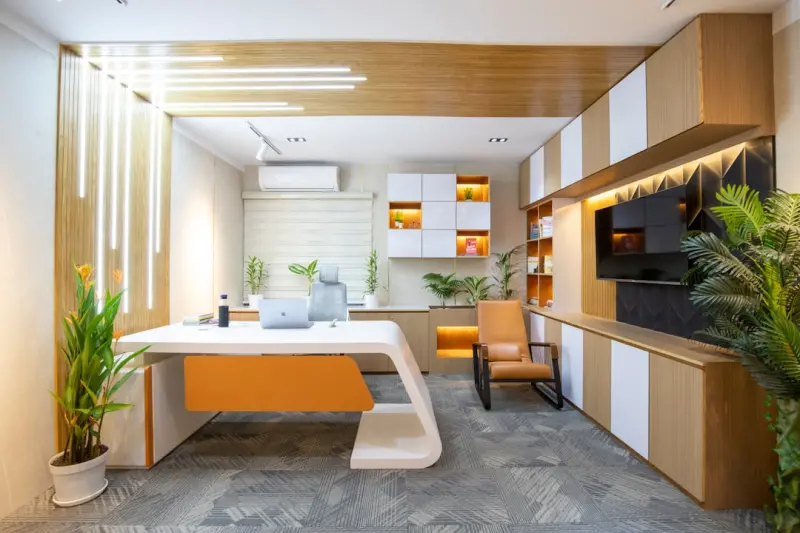
How Your Office Space Shapes Your Gut: Uncovering the Hidden Microbiome Connections
Your workplace environment does more than affect productivity—it silently influences your gut microbiome. Discover science‑backed strategies to improve air ...Read More
0 Comments
Post Comment
You will need to Login or Register to comment on this post!