

Why the Future of Travel Isn’t About Destinations Anymore
When I first started hopping continents with a backpack, the itinerary was king. See the Eiffel Tower, eat sushi in Tokyo, trek the Andes. Those are the classics that still fill guidebooks. But the world is quietly shifting from ticking boxes to building relationships in the places we pass through. Today’s travelers want the feeling of belonging without the months‑long commitment of relocation. This is the rise of hyper‑local immersion: a model that treats every stop not as a waypoint, but as a collaborative lab where culture, data, and mutual exchange converge.
The Hyper‑Local Immersion Pod: Living Inside the Neighborhood
Imagine arriving in Lisbon and instead of checking into a generic hotel, you’re invited to stay on the rooftop of a local’s apartment, sharing meals, stories, and even a few work sessions. These “immersion pods” are short‑term, often tiny trips that last anywhere from 48 hours to a week. The magic isn’t in the length; it’s in the depth of engagement.
- Micro‑Community Integration – You’re not a tourist looking in; you’re a temporary resident. You learn the market language, the rhythm of the local café, the unspoken rules of the neighborhood.
- Skill‑Based Exchanges – Instead of paying cash, you might offer a graphic design sprint in exchange for a room. This mirrors the growing skill‑based agreement economy, but it’s applied to hospitality.
- Instant Feedback Loops – Hosts get real‑time insight into what travelers value, while guests receive immediate, authentic recommendations that no algorithm could predict.
These pods turn the traditional “tourist‑host” dynamic on its head, fostering a two‑way flow of culture and knowledge.
Data‑Driven Sensory Mapping: Your Body as a Travel Compass
We’ve all heard the hype about wearable tech, but most of us still use it to count steps. The next frontier is sensory mapping—using heart‑rate variability, skin conductance, and even ambient sound levels to gauge how a place makes you feel. By collecting this biometric data, you can curate an itinerary that aligns with your optimal mental and physical states.
For instance, a morning in a bustling market may spike your cortisol, while a quiet riverbank could boost your parasympathetic activity. When the data tells you you’re thriving in low‑stimulus environments, you can pivot to parks, museums, or even the green sanctuaries tucked away in the city. It’s the opposite of the “push‑the‑limits” travel narrative; it’s about aligning travel with personal wellbeing in real time.
The New Currency: Time‑Banked Hospitality
Cash isn’t the only medium of exchange in this ecosystem. Time‑banking platforms let travelers log hours of expertise—whether it’s a photography lesson, a coding bootcamp, or a cooking class—in exchange for accommodation. This creates a reciprocal value loop that benefits both host and guest.
- Hosts receive services they might otherwise pay for, from website redesigns to language tutoring.
- Travelers gain immersive experiences that go far beyond a typical “tour guide” narrative.
- Communities see a boost in local skill development and cross‑cultural dialogue.
The model is reminiscent of the sharing economy’s early days, but it’s now powered by data transparency and trust algorithms that match skill sets with host needs.
Building a Personal Travel Laboratory on the Road
Every hyper‑local traveler becomes a researcher, testing hypotheses about culture, cognition, and creativity. The concept isn’t new—many have written about turning trips into labs—but the practical framework is evolving. I recently referenced the idea of a personal travel laboratory that blends curiosity with structured observation. Here’s how you can set yours up:
- Define a Core Question: “How does morning sunlight affect my productivity in different latitudes?”
- Choose Metrics: Use a wearable to track focus levels (e.g., EEG headband) and mood (self‑report scales).
- Design Micro‑Experiments: Spend two days in a coastal town, two days in a high‑altitude village, recording the same metrics.
- Iterate: Analyze data nightly, adjust your environment (e.g., work location, lighting) based on results.
- Share Findings: Contribute to open‑source travel databases or local community boards.
This approach transforms idle sightseeing into purposeful discovery, giving each journey a measurable impact.
From Tourist to Co‑Creator: Participatory Projects Abroad
One of the most rewarding facets of hyper‑local travel is the chance to become a co‑creator of local art, research, or civic initiatives. Cities worldwide now host “pop‑up labs” where travelers can join a community mural, contribute to citizen‑science data collection, or help prototype sustainable products.
These experiences do two things:
- Deepen Connection – You leave a tangible mark on the place, and locals remember you as a contributor, not just a consumer.
- Amplify Impact – Your skills, however brief, become part of a larger narrative that can influence policy, design, or cultural preservation.
Think of it as a live‑action version of a hackathon, but with the added spice of local flavor and the backdrop of a new city.
Practical Toolkit for the Hyper‑Local Traveler
Ready to ditch the cookie‑cutter itinerary? Here’s a step‑by‑step toolkit you can start using tomorrow.
- Research Immersion Pods on platforms like HomeExchange, Couchsurfing, or emerging time‑bank networks. Look for hosts who list skill‑swap options.
- Set Up a Sensory Baseline before you leave. Spend a week wearing your chosen biometric device to understand your normal ranges.
- Create a “Question Deck”—cards with prompts like “What local skill can I teach?” or “Which neighborhood market feels most alive?” Use them to spark conversations.
- Pack Light, Pack Smart—bring a portable power bank, a lightweight laptop, and a small notebook (digital or paper) for observations.
- Join a Pop‑Up Lab by checking local event boards (Meetup, Eventbrite) for collaborative projects scheduled during your stay.
- Document and Reflect daily. Capture biometric snapshots, journal insights, and note any skill‑exchange outcomes.
- Share Your Data on platforms that aggregate travel‑wellness metrics, contributing to a growing pool of open data for future travelers.
Each step builds a feedback loop that refines your travel style, making each subsequent trip richer and more aligned with your personal rhythm.
Looking Ahead: A World Where Travel Is a Two‑Way Street
We’re moving from a model where destinations are passive backdrops to one where they become active participants in the traveler’s story. The hyper‑local immersion pod, data‑driven sensory mapping, and time‑banked hospitality are not isolated trends; they are interlocking pieces of a broader shift toward reciprocal travel ecosystems. As more travelers adopt this mindset, cities will adapt—creating more micro‑hubs, expanding open data portals, and fostering collaborative spaces that welcome outsiders as co‑creators.
In this emerging landscape, the traveler’s greatest souvenir isn’t a postcard; it’s the network of relationships, the data insights about yourself, and the tangible contributions you leave behind. The next time you book a flight, ask yourself: Am I just passing through, or am I about to co‑author the next chapter of this place’s story?

Seth Samual is a name that's quickly becoming synonymous with compelling and insightful writing. As a freelance writer, Seth has carved a niche for himself by delivering high-quality content across a diverse range of subjects.
Related Posts

The Renaissance of Train Travel: Why Rails Are the New Frontier
Discover why train travel is resurging as a sustainable, scenic, and work‑friendly alternative to ... Read More
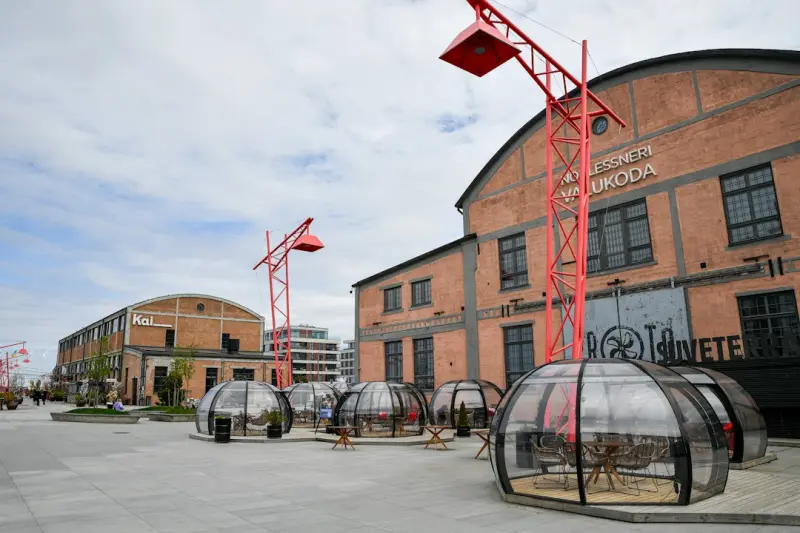
Pop‑Up Co‑Living Pods: Rethinking City Travel for Shared Living Experiences
Pop‑up co‑living pods turn vacant city spaces into vibrant, short‑term homes where travelers s... Read More
The Serendipity Method: Turning Every Trip into a Creative Spark
Travel isn’t just about hitting landmarks; it’s about inviting the unexpected. Learn the Serendi... Read More
Top Posts
Why Letting Employees Map Their Own Careers Is the Smartest Strategy Yet
Giving staff ownership of their professional growth creates a dynamic, self‑directed career map that aligns talent with business needs, boosts engagement, and...Read More

Smart Space Hacks: Making Every Square Foot Work for You
Learn how to turn a compact home into a versatile sanctuary using convertible furniture, hidden storage, modular layouts, and smart tech—all without breaking ...Read More

Micro-Meditations: Tiny Shifts for Big Mental Gains
Micro‑meditations are brief, intentional pauses that can reset the nervous system, boost focus, and reduce stress. Learn practical techniques, how to embed th...Read More
A Fresh Take on Mental Health: Crafting Your Personal Dashboard
Discover a step‑by‑step guide to designing a mental‑health dashboard that turns everyday feelings into clear data, helping you manage stress, boost energy...Read More
0 Comments
Post Comment
You will need to Login or Register to comment on this post!