
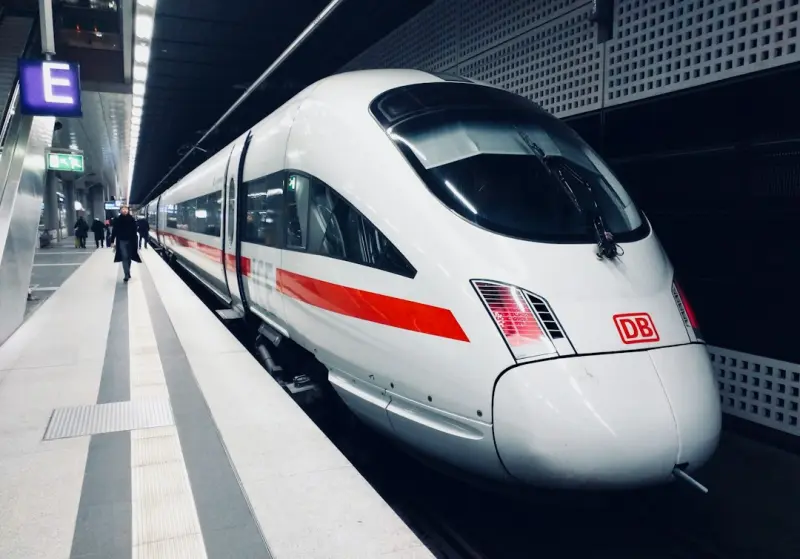
Why Trains Are Making a Comeback
When I first boarded a sleeper car on the Trans‑Siberian, I expected a cramped, noisy metal tube that would whisk me from point A to point B in record time. What I got instead was a rolling sanctuary, a moving city that invited me to watch the world change outside my window while the rhythm of the rails coaxed my thoughts into a gentle flow. That experience sparked a realization: train travel isn’t just a nostalgic throwback—it’s a re‑engineered mode of movement that aligns with today’s desire for sustainability, connection, and purposeful downtime.
The Sustainability Edge
Air travel accounts for roughly 2–3% of global CO₂ emissions, and the numbers climb sharply when you factor in the ancillary carbon cost of airport construction, fuel extraction, and ancillary services. Trains, on the other hand, operate on electricity or hybrid systems that can be sourced from renewables, delivering a dramatically lower carbon footprint per passenger‑kilometer. The European Union reports that high‑speed rail emits up to ten times less CO₂ than a comparable short‑haul flight.
This isn’t merely a numbers game. It’s a cultural shift. Travelers who once felt compelled to book the cheapest flight are now scrutinizing the environmental ledger of every itinerary. When you can arrive at a destination with a fraction of the emissions and still enjoy a scenic, comfortable journey, the decision becomes a statement of values rather than a compromise.
Designing the Perfect Rail Itinerary
Planning a rail‑centric adventure is a puzzle that rewards curiosity. Unlike the binary “fly‑and‑arrive” model, train travel offers layers of experience:
- Scenic corridors – Routes such as the Canadian Pacific, the Glacier Express, or the newly revitalized Midwest “Rail‑to‑River” line provide uninterrupted panoramas that turn a simple commute into an immersive visual diary.
- City‑hop stops – Many rail networks feature “stop‑over” stations where you can alight for a few hours, explore a market, or sample a local dish before hopping back on.
- Night sleepers – Sleeper cars eliminate the need for a separate hotel night, saving both time and lodging costs while delivering a unique sense of adventure.
My own go‑to method is to anchor the trip around a core hub—often a major city with a high‑speed terminal—and then radiate outward using regional lines. This creates a web of possibilities that can be tweaked on the fly, an approach that feels especially liberating when you’re traveling solo or with a small group that values flexibility.
Culinary Surprises on the Rails
One of the most delightful aspects of long‑distance train travel is the food. While airlines have long reduced meals to a checkbox, many rail operators have taken the opposite route, treating the dining car as a showcase for regional cuisine. In Japan, the “ekiben” (station bento) is a meticulously curated box that reflects the local terroir of each stop. In Europe, the “Panorama Dining” cars on Swiss routes pair Alpine cheeses with wines sourced from the very valleys you’re gliding through.
If you’re hungry for a deeper dive, check out Culinary Cartography for a guide on mapping flavor trails across different transport modes. The same principles apply on rails: follow the scent of smoked trout in the Pacific Northwest or the aroma of fresh rosemary in the Tuscan countryside, and let the train become a conduit for culinary discovery.
Work, Play, and Sleep: The Modern Railcar
Remote work has turned many traditional travel patterns on their head. As highlighted in Remote‑Work Hubs, the ability to stay productive while on the move is no longer a novelty; it’s an expectation. Modern sleeper cars are now equipped with ergonomic workstations, high‑speed Wi‑Fi, and power outlets at every berth. Some premium services even offer private cabins with sound‑proof walls, enabling deep focus without sacrificing the ambient hum of the tracks.
From a personal standpoint, the rail environment strikes a perfect balance: the gentle sway lulls me into a state of “flow” for writing, while the ever‑changing scenery fuels creative brainstorming. I’ve drafted proposals, edited newsletters, and even conducted client calls from a moving carriage, all without the jittery turbulence of a plane or the isolation of a hotel room.
Tips for First‑Time Rail Travelers
Embarking on a rail adventure can feel daunting if you’ve never done it before. Here are a handful of hard‑won tips that smooth the learning curve:
- Reserve seats early. Popular routes, especially scenic or night trains, sell out months in advance. Booking early guarantees you a window seat for the views or a lower‑deck berth for a quieter night.
- Pack light, but smart. A carry‑on sized suitcase with a compression bag fits neatly in overhead compartments. Include a reusable water bottle, a lightweight blanket, and a set of noise‑cancelling earbuds.
- Download the rail operator’s app. Real‑time updates, platform changes, and digital tickets are often only accessible through the official app.
- Embrace the “stop‑over” culture. Don’t feel pressured to stay on a train for the entire route. A short detour to a historic town can add layers of richness to your journey.
- Mind the etiquette. Keep conversations at a moderate volume, clean up after yourself in shared spaces, and respect the “quiet car” if one is designated.
The Future of Train Travel
Innovation is steering rail travel into a new era. Magnetic levitation (maglev) projects promise speeds rivaling short‑haul flights while preserving the low‑emission advantage. Meanwhile, autonomous train control systems are already reducing delays and enhancing safety on high‑traffic corridors.
Perhaps the most exciting development is the integration of experiential modules—dedicated cars that transform into mini‑museums, art galleries, or even pop‑up coworking spaces. Imagine boarding a train in Berlin, strolling through a curated exhibition of contemporary German design, and then disembarking in Prague ready to explore the city’s architecture with fresh insights.
In parallel, policy shifts are nudging governments to prioritize rail infrastructure investment, recognizing the sector’s potential to de‑congest airports and highways. As funding streams align with climate goals, the network of high‑speed and regional lines will expand, making rail travel accessible to more destinations than ever before.
Conclusion: A Journey Worth Taking
Travel, at its core, is about transformation—of perspective, of habit, of self. Trains embody that transformation by slowing the pace enough to notice the world, while moving swiftly enough to reach distant horizons. Whether you’re a seasoned nomad seeking a greener footprint, a remote professional craving a mobile office, or simply a curious soul yearning for new vistas, the rails offer a compelling alternative to the altitude‑driven rush of air travel.
The next time you’re planning a getaway, consider swapping the boarding gate for a platform. Let the tracks guide you not just to a destination, but to a deeper, more mindful way of moving through the world.

Jim Pearse, a seasoned freelance writer, brings a wealth of knowledge and passion to the world of home and garden. From the intricacies of landscaping to the nuances of interior design, Jim delves into every aspect of creating comfortable, beautiful, and functional living spaces.
Related Posts

How to Turn Every Layover Into a Mini‑Adventure
Learn practical tips for turning idle airport time into spontaneous mini‑adventures, from local cu... Read More

The Soundtrack of Wanderlust: How Curated Audio Elevates Every Journey
A guide to designing a travel soundtrack that syncs music, local sounds, and ambient recordings with... Read More

Taste the World: How Cooking Global Recipes Turns Home Into a Travel Hub
Explore the art of turning your kitchen into a travel hub by cooking authentic dishes from around th... Read More
Top Posts

When Your Brain Is on Overdrive: Resetting the Mental Clock
Explore how to tame constant digital noise, use curiosity as a mental workout, and create micro‑rituals that restore calm and focus in everyday life....Read More

Designing a Sensory Garden: A Fresh Take on Outdoor Wellness
A sensory garden engages sight, sound, smell, touch, and taste, turning any outdoor area into a therapeutic sanctuary. Discover design strategies, plant picks, ...Read More

When Algorithms Feel: Building Empathy into AI Systems
Empathy is the missing link between AI efficiency and human trust. This article explains how to teach machines to sense, understand, and act on emotions, outlin...Read More
Smart Storage Strategies to Transform Small Spaces
Learn how to turn vertical space, multipurpose furniture, and simple labeling into powerful storage solutions that keep your home organized, sustainable, and st...Read More
0 Comments
Post Comment
You will need to Login or Register to comment on this post!