
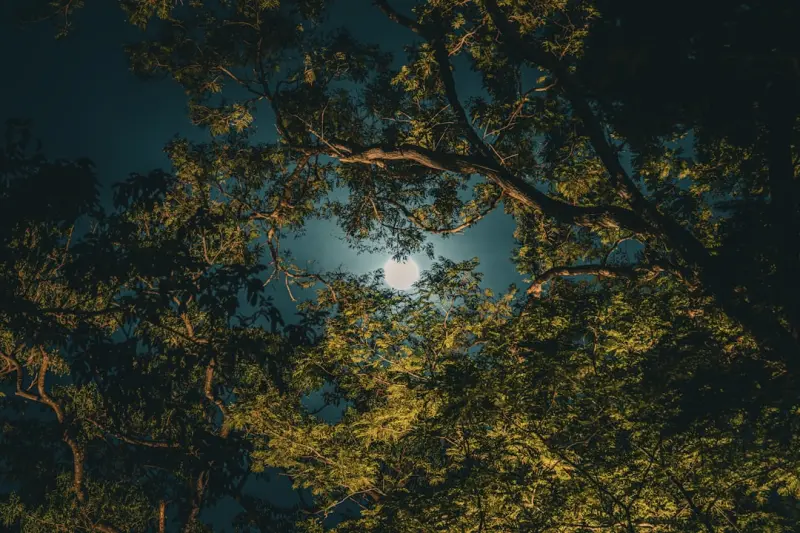
Why Nighttime Gardens Matter
When I first stepped into my neighbor’s backyard after sunset, I was struck by a quiet magic that daytime never offers. The air was cooler, the sounds softened, and a subtle glow—both natural and intentional—bathed the space in a gentle, otherworldly light. That moment sparked an obsession: I wanted to recreate that serenity in my own home. Nighttime gardening isn’t just about aesthetics; it’s a holistic practice that nurtures our senses, supports pollinators, and even improves mental well‑being. In this post, I’ll walk you through the philosophy, the planting choices, and the low‑tech lighting tricks that turn an ordinary yard into a moonlit sanctuary.
The Philosophy Behind a Moonlit Garden
Traditional garden design often celebrates the brilliance of daylight, but the night holds its own palette of colors, textures, and rhythms. A moonlit garden invites you to:
- Engage different senses. Without the glare of the sun, you’ll notice the rustle of leaves, the fragrance of night‑blooming flowers, and the cool feel of stone underfoot.
- Support nocturnal wildlife. Many pollinators—like moths, bats, and certain beetles—are active after dark. Providing them with nectar and shelter creates a thriving ecosystem.
- Foster mindfulness. The slower pace of evening encourages contemplation, a perfect antidote to our always‑on culture.
By aligning garden design with the lunar cycle, you also tap into a rhythm that has guided gardeners for centuries. The moon’s phases affect plant transpiration and can be a subtle cue for watering schedules or pruning.
Choosing the Right Plants for Nighttime Appeal
Not all plants shine under moonlight. The goal is to select species that either emit fragrance after dusk, display striking foliage, or attract nocturnal pollinators.
- Night‑blooming jasmine (Jasminum noctiflorum) – releases a sweet perfume that intensifies after sunset.
- Moonflower (Ipomoea alba) – large, white, trumpet‑shaped blossoms that unfurl with the moon.
- Four‑o’clock (Mirabilis jalapa) – blooms in the late afternoon and stays fragrant into the night.
- Heavenly bamboo (Nandina domestica) – its glossy, red berries create a pop of color against dark foliage.
- Catmint (Nepeta mussinii) – attracts moths and emits a faint, citrusy scent when the air cools.
Pair these with ever‑green structures like ornamental grasses, sculptural succulents, or stone sculptures. Their silhouettes become visual anchors when the lights are dimmed.
Lighting the Night: Subtle, Sustainable, and Stylish
Good lighting should enhance, not overpower. Here are three layers of illumination you can achieve without breaking the bank:
1. Ambient Lunar Mimicry
Soft, cool‑white LED strips hidden behind pergolas or along the underside of raised beds emulate moonlight. Choose fixtures with a color temperature of 4000‑4500 K for a natural feel. If you’re curious about integrating broader lighting concepts, check out light‑smart design principles for inspiration on balancing brightness and energy efficiency.
2. Accent Points
Spotlights aimed at key features—like a water bowl for birds or a cluster of moonflowers—draw the eye without flooding the entire space. Solar‑powered puck lights are ideal for smaller budgets and keep your carbon footprint low.
3. Pathway Glow
Low‑profile rope lights or glass‑filled ground stakes line walkways. Their subtle glow guides visitors while maintaining a sense of mystery. Consider using warm amber tones for pathways; they create a feeling of safety without competing with the cooler ambient light.
Water Features for Nighttime Serenity
A gentle water sound can mask the hum of traffic and add a calming acoustic layer. A simple recirculating fountain with a solar pump works wonders. Position it near reflective stones so the moon’s glow dances across the water surface, creating moving patterns that are both mesmerizing and soothing.
Creating a Nighttime Seating Nook
Comfortable seating is essential for truly experiencing your garden after dark. I recommend a weather‑resistant chaise lounge or a set of low, cushioned floor pillows. Add a waterproof, wind‑proof blanket for cooler evenings. Surround the area with tall, dense plants that act as natural windbreaks and provide a sense of enclosure.
For an extra touch of luxury, drape a sheer, moon‑colored canopy overhead. When illuminated from below, the fabric glows softly, casting a dreamy haze over the space.
Supporting Nocturnal Pollinators
While hummingbirds and butterflies dominate the daylight scene, night‑time pollinators need our attention, too. Planting the species mentioned earlier already helps, but you can go further:
- Provide water sources. A shallow dish with stones gives moths a place to drink without risking drowning.
- Install a bat house. Bats consume large quantities of insects, naturally reducing garden pests.
- Leave a patch of undisturbed leaf litter. This offers shelter for beetles and other beneficial insects that are active after dusk.
Seasonal Adaptations
Moonlit gardens evolve with the seasons. In spring, focus on early‑blooming night flowers; in summer, prioritize heat‑tolerant species and additional shading; in autumn, incorporate ornamental grasses that sway in the cool breeze; and in winter, use ever‑green ever‑lasting foliage and subtle uplighting to keep the space inviting.
DIY Projects to Enhance Nighttime Appeal
Here are a few hands‑on ideas that anyone can tackle over a weekend:
Moon‑Phase Lanterns
Use reclaimed tin cans, paint them with lunar phase silhouettes, and insert battery‑operated LED candles. Hang them from pergola beams or stake them into the ground for a whimsical effect.
Recycled Glass Pathway Lights
Collect old wine bottles, cut off the bottoms, and fit them with solar LED inserts. Place them along garden aisles; the glass refracts the light, creating a prismatic glow.
Living Wall with Night‑Blooming Vines
Mount a trellis against a patio wall and train moonflowers, clematis, or sweet peas to climb. When illuminated from below, the vines appear to float against the dark backdrop.
Integrating the Moonlit Garden with Indoor Spaces
If your home opens directly onto the garden, consider a seamless transition. French doors with sheer curtains allow moonlight to spill indoors, extending the garden’s ambiance into the living room. Pair this with a few indoor plants that thrive in low light—such as snake plant or ZZ plant—to keep the nocturnal vibe consistent.
For a broader perspective on creating cohesive indoor‑outdoor experiences, you might find inspiration in turning everyday spaces into lush retreats. The same principles of flow and harmony apply under the stars.
Maintenance Tips for a Healthy Night Garden
- Prune after sunset. This reduces plant shock and lets you see the shape of foliage in low light.
- Check lighting fixtures regularly. Solar panels need cleaning to maintain efficiency, especially after rainy seasons.
- Monitor moisture. Nighttime humidity can affect soil drainage; use a moisture meter to avoid overwatering.
- Rotate seasonal plants. Swap out annual night bloomers for perennials as the climate changes to keep the garden vibrant year‑round.
Final Thoughts: Making the Moon Your Garden’s Guiding Light
Designing a moonlit garden is a journey of discovery—one that blends horticulture, design, and a touch of poetry. By thoughtfully selecting plants, using gentle illumination, and inviting nocturnal life, you’ll create a sanctuary that feels both grounded and ethereal. The next time you step outside after dusk, pause, breathe, and let the soft glow of your garden remind you that beauty doesn’t end when the sun sets. It simply takes on a new shape.

Karen Edwards is a seasoned freelance writer with a passion for all things furry, feathered, and scaled. With a dedicated focus on pets, she brings a wealth of knowledge and a keen eye for detail to her writing.
Related Posts

Creative Ways to Divide Outdoor Spaces Without Walls
Discover practical, budget-friendly ideas to turn a single backyard into multiple private zones usin... Read More

The Future‑Ready Home: Blending Tech, Sustainability, and Style
Explore a fresh approach to home living that merges technology, green practices, and design, turning... Read More

Cultivating Calm: Urban Biophilic Design for Small Spaces
Learn practical steps to create resilient, multi‑purpose plant habitats in limited urban spaces—... Read More
Top Posts

Reverse Mentorship: Turning Junior Insight into Senior Advantage
Learn why pairing junior employees with senior leaders creates a powerful two‑way learning flow, boosting innovation, retention, and career growth across the ...Read More

Edible Landscapes: How to Grow a Food Forest in Your Backyard
Learn to transform your yard into a thriving food forest with layered planting, smart water use, and low‑maintenance perennials, creating a beautiful, sustain...Read More

The Skin Microbiome Revolution: Tiny Allies Redefining Personal Care
Discover how nurturing the skin’s microbiome can replace harsh cleansers with microbiome‑friendly habits, using AI insights, cold‑shower benefits, and sus...Read More

How AI Is Redefining Corporate Culture from the Inside Out
AI is moving beyond data crunching to become a subtle cultural architect, influencing behavior, embedding ethics, and unifying narratives across organizations. ...Read More
0 Comments
Post Comment
You will need to Login or Register to comment on this post!