
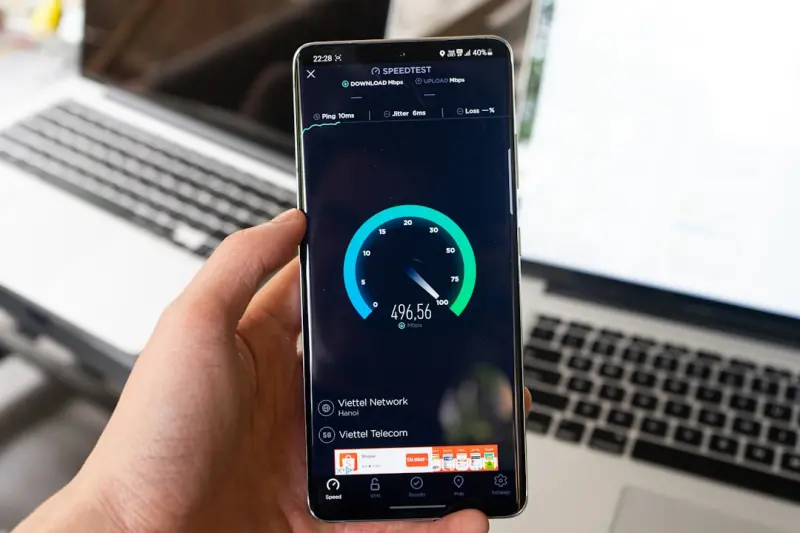
Why Roaming the Globe Is the Ultimate Career Accelerator
When most people think about building a career, they picture office meetings, LinkedIn connections, and maybe a conference here or there. I’ve spent enough time on planes, trains, and bustling city streets to realize that the most potent career catalyst isn’t a webinar—it’s the act of moving through new environments and deliberately turning each stop into a networking opportunity.
The Unseen Currency of a Trip
Every destination hands you a fresh set of social tokens—local experts, fellow wanderers, and even strangers who share a coffee at a corner café. These tokens are far more valuable than a digital badge because they carry the weight of a shared experience. When you return to your home office, you’re not just bringing back souvenirs; you’re bringing back stories, references, and a deeper understanding of cultures that can reshape how you approach problems at work.
From Random Stops to Intentional Interactions
It’s easy to let a trip become a blur of sightseeing. Instead, treat each layover or lay‑back afternoon as a mini‑networking session. Here are three tactics that help you shift from passive tourist to purposeful connector:
- Local Meet‑Ups: Use platforms like Meetup, Eventbrite, or even a simple coffee‑shop sign‑up sheet to find gatherings that align with your industry or interests. Even a brief 15‑minute chat can plant a seed for future collaboration.
- Skill‑Swap Sessions: Offer a quick workshop on something you excel at—perhaps a short demo of a software tool you love—while asking locals to teach you a skill unique to their market. The reciprocity builds rapport faster than a standard small talk.
- Document & Share: Write a short post‑trip reflection and tag the people you met. This public acknowledgment not only cements the connection but also signals to your broader network that you’re actively engaged on the ground.
Micro‑Volunteering While You Travel
One of the most rewarding ways to deepen connections is by giving a little of your time to a local cause. Think of it as a “micro‑volunteer” sprint—one to three hours of focused help. Whether you’re assisting a community garden (not a full‑scale food forest, just a single plot) or helping a startup run a user‑testing session, you’ll walk away with a story that resonates far beyond your inbox.
These brief engagements also grant you insight into regional challenges, allowing you to bring fresh perspectives back to your own team. When you can speak authentically about a problem you witnessed abroad, you instantly gain credibility.
Building Portable Communities
Traditional networking often feels static—think of a LinkedIn group that never moves. Instead, think of “portable communities” that travel with you. Start a small cohort of like‑minded travelers who meet up in each city you visit. Over time, this network becomes a living, breathing support system that can pivot from city to city, sharing resources, introductions, and even job leads.
To launch one, simply create a private channel on a messaging app, set a loose meeting cadence (e.g., once a month), and invite members you’ve met on the road. The key is to keep it low‑maintenance; the goal is to foster genuine relationships, not a bureaucratic club.
Travel as a Learning Lab for Soft Skills
Every foreign environment tests your adaptability, communication, and problem‑solving. From navigating a foreign transit system (a great example of how everyday movement can spark new ideas) to handling unexpected language barriers, you’re constantly exercising the same muscles that make you an effective team member.
Take a moment to reflect on these moments as you travel. Write down a brief note after each “challenge”—what you did, what you learned, and how it applies to your daily work. Over time, you’ll have a personal compendium of real‑world case studies that you can reference in meetings or performance reviews.
Leverage Digital Tools Without Losing the Human Touch
While the focus here is on face‑to‑face interaction, a well‑placed digital tool can amplify your efforts. For example, after meeting a new contact, send a quick voice note instead of a formal email. The tone feels more personal and can set the stage for a stronger connection.
Similarly, when you return home, compile a short visual deck of your trip’s highlights and share it with your colleagues. This not only showcases your experiences but also provides a tangible context for any insights you want to introduce to the team.
Case Study: Turning Commutes into Idea Generators
During a recent cross‑country trip, I noticed that the long train rides offered a unique environment for brainstorming. Passengers were often strangers, yet the shared space created an informal think‑tank. I struck up a conversation with a product designer from a different industry, and we ended up sketching a prototype for a feature that later made its way into a client pitch. The experience reinforced a simple truth: exploring how commutes can spark ideas reveals a hidden well of inspiration that most travelers overlook.
Case Study: Nature Immersion for Clarity
On a weekend hike in a remote region, I practiced a form of nature immersion that helped clear mental clutter. The focus wasn’t on a “forest bathing” ritual (as some guides describe) but simply on mindful walking and observation. The result was a burst of clarity that I later applied to a strategic planning session back at the office. If you’re curious about how nature can boost focus, you might find insights on nature immersion useful for crafting your own approach.
Practical Toolkit for the Road‑Savvy Careerist
- Pre‑Trip Research: Identify at least three local groups or events that align with your expertise. Bookmark them and schedule a meeting in your calendar before you land.
- Connection Log: Keep a simple spreadsheet (or notes app) with columns for name, role, location, and a brief note on your interaction. Review it weekly to follow up.
- Portable Pitch: Craft a 30‑second “elevator pitch” that includes a reference to your travel experience. Example: “I’m exploring how on‑the‑ground observations can inform product strategy, and I just saw a real‑world example of X in Y city.”
- Follow‑Up Ritual: Within 48 hours, send a personalized message referencing a specific detail from your conversation. This shows you listened and value the connection.
- Post‑Trip Debrief: Allocate an hour after returning to synthesize learnings, update your connection log, and share a brief summary with your team.
Final Thoughts: The Journey Is the Network
Travel isn’t just an escape from the office; it’s a strategic move that expands your network, sharpens your soft skills, and injects fresh perspectives into your work. By approaching each trip with intention—seeking out local meet‑ups, engaging in micro‑volunteer moments, and treating commutes as brainstorming sessions—you turn ordinary movement into a powerful career catalyst.
So next time you book a flight, think beyond the destination. Ask yourself: What connections will I cultivate? What challenges will I solve? How will this experience reshape my day‑to‑day contributions? The answers will guide you to a richer, more connected professional life.

Ryan Stuart is a seasoned freelance features writer, editor, and professional photographer with a passion for exploring the world and capturing its beauty through words and images.
Related Posts

Turn Your Layovers Into Mini‑Adventures: A Fresh Playbook for the Modern Traveler
Learn to reframe airport layovers as intentional micro‑adventures using a curated toolkit, AI‑dr... Read More

Travel with Your Ears: How Sound Shapes Unforgettable Journeys
Explore the power of sound in travel, learning to map cities by their soundtrack, build a sonic jour... Read More
Travel as a Language Lab: One Phrase a Day to Unlock Hidden Worlds
Learn the power of a single daily phrase to turn ordinary trips into immersive cultural adventures, ... Read More
Top Posts

When AI Becomes Your Second Brain: Rethinking Knowledge Work
Learn how treating AI as a personal second brain can cut decision fatigue, enhance insight retention, and turn information overload into a strategic advantage f...Read More
Scent & Substance: Crafting a Home Garden That Feels Like You
Learn to turn reclaimed items, fragrant herbs, and simple DIY projects into a sensory-rich home garden that feels uniquely yours and invites calm, creativity, a...Read More

Zero‑Waste Personal Care: Transform Your Bathroom into a Sustainable Sanctuary
Discover a step‑by‑step blueprint for turning your bathroom into a zero‑waste sanctuary, featuring refillable systems, multi‑purpose products, and habit...Read More

The Garden Desk Revolution: How Outdoor Workspaces Are Redefining Employment
Explore the rise of garden desks, their impact on mental health and workplace culture, and step‑by‑step guidance for turning a backyard spot into a thriving...Read More
0 Comments
Post Comment
You will need to Login or Register to comment on this post!