
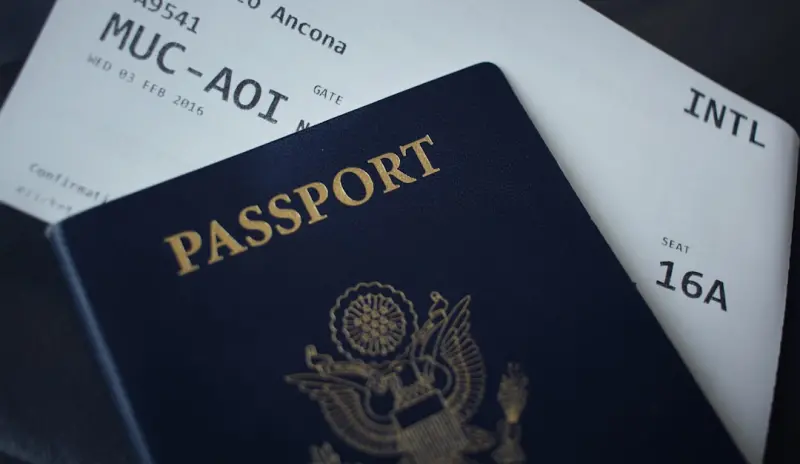
Passport to Presence: Turning Travel Into a Daily Mind‑Gym
When I first swapped my commuter‑car seat for a rickety bus in a mountain village, I expected the usual travel clichés: breathtaking vistas, Instagram‑ready meals, and the occasional language stumble. What I didn’t anticipate was how the act of moving through new spaces could become a deliberate practice for mental agility, emotional resilience, and even creative breakthroughs. I call it a mind‑gym—a series of intentional habits that turn every layover, street‑corner coffee, and late‑night train into a workout for the brain.
Why Travel Needs a Mental Workout Plan
Most of us think of travel as a break from the daily grind, a chance to “switch off.” That’s a useful myth, but it also leaves us vulnerable to the same stressors that chase us at home: endless notifications, packed itineraries, and the pressure to curate a flawless social feed. Without a conscious strategy, the excitement of a new city can quickly dissolve into exhaustion.
By framing travel as a series of mental exercises, we reclaim agency. We decide how we engage with the unfamiliar, and we build habits that stick long after we’ve boarded the return flight. Think of it as a hybrid of digital boundaries and micro‑movement—but for cognition rather than inboxes or muscles.
The Core Principles of a Travel Mind‑Gym
- Chunked Curiosity: Break down your exploration into bite‑sized questions. Instead of “See all the museums,” ask “What story does this one painting tell about the city’s history?”
- Sensory Reset: Use each new environment to reset a single sense—listen to a street performer, smell a market spice, or feel the texture of a local fabric.
- Intentional Disconnection: Schedule “offline windows” where you deliberately turn off connectivity. This mirrors the power of digital boundaries and lets your brain process experiences without the constant ping of notifications.
- Micro‑Movement of Thought: Just as tiny physical actions accumulate into big health gains, short, purposeful reflections (a five‑minute journal, a quick sketch) amplify mental clarity.
- Community Feedback Loop: Share a single insight with a local or fellow traveler each day, then invite their perspective. This creates a two‑way learning circuit that deepens cultural empathy.
Step‑by‑Step: Building Your Daily Travel Routine
Below is a flexible template you can adapt whether you’re on a weekend road trip or a month‑long backpacking odyssey.
Morning: Grounding & Goal‑Setting (15‑20 minutes)
1. Sensory Reset.* Open your curtains, step onto the balcony, or simply breathe in the street air. Identify one new scent, sound, or texture and let it anchor you to the present.
2. Intentional Disconnection.* Turn off push notifications and set your phone to “Do Not Disturb.” Use this quiet period to write a single travel intention: “Today I’ll learn how locals commute.”
Mid‑Day: Exploration with Chunked Curiosity (2‑4 hours)
Pick a micro‑goal based on your morning intention. If your focus is local commuting, hop on a city bike, ride a tram, or walk a popular walking route. While you move, ask yourself:
- What does the route tell me about the city’s layout?
- How do residents interact with this space?
- What hidden details—graffiti, shop signs, street vendors—add nuance to the story?
Take a photo or jot a quick note, but avoid over‑documenting. The aim is to observe, not to archive.
Afternoon: Micro‑Movement of Thought (5‑10 minutes)
Find a quiet café or a park bench. Write a short paragraph, sketch a scene, or record a voice memo about what you discovered. This is the mental equivalent of a quick stretch: it consolidates learning and prevents mental fatigue.
Evening: Community Feedback Loop (15‑30 minutes)
Share your insight with a local—ask a shop owner about the commuting pattern you observed, or chat with a fellow traveler about a cultural nuance you missed. Listen actively and let their feedback reshape your understanding. This two‑way dialogue cements memory and fosters genuine connection.
Real‑World Examples: From My Backpack to Yours
Case 1: The “Street‑Side Library” in Lisbon
During a week in Lisbon, I set my morning intention to “Discover how locals read.” Instead of heading straight to a touristy bookshop, I followed a local’s suggestion to a small plaza where a volunteer runs a free “street‑side library.” I sat on a cracked bench, flipped through a weather‑worn poetry collection, and listened to the murmur of conversations. The sensory reset of sea‑salt air mixed with the rustle of pages reminded me that reading isn’t confined to quiet rooms—it’s woven into everyday life.
After a quick sketch of the scene, I thanked the volunteer and asked why she started the library. Her answer—“To give people a reason to linger, to share stories that the city itself forgets”—prompted a deeper reflection on how public spaces can become informal knowledge hubs. That insight stayed with me long after I left Portugal, influencing how I design community corners in my own city.
Case 2: Micro‑Movement in the Mekong Delta
While cruising the Mekong Delta, I challenged myself to “Map the rhythm of river life in ten minutes.” I observed a fisherman casting his net, a child splashing nearby, and a vendor setting up a floating market stall. In those brief moments, I noted the synchronicity of water, labor, and commerce—a pattern I would later compare to a well‑orchestrated sprint in a corporate setting.
Back on the deck, I jotted down three bullet points and sent a quick voice note to a colleague, illustrating how a short, focused observation can translate into strategic thinking. That micro‑movement of thought sparked a conversation about agility in our own team, proving that travel insights can cross-pollinate with work life.
Travel Mind‑Gym and the Modern Nomad
Digital nomads often juggle work, travel, and personal growth. The mind‑gym framework dovetails perfectly with this lifestyle because it encourages micro‑discipline—small, repeatable actions that accumulate into profound change. By embedding intentional mental workouts into daily itineraries, nomads can:
- Maintain focus despite fluctuating time zones.
- Prevent burnout by regularly resetting sensory input.
- Leverage local interactions for fresh creative ideas.
In my own nomadic stint across Southeast Asia, I paired the mind‑gym with a strict digital‑boundary schedule: two hours of deep work in the morning, followed by a “no‑screen” afternoon of exploration. This rhythm turned what could have been a chaotic blur into a series of purposeful episodes, each reinforcing the next.
Tools & Resources to Support Your Mind‑Gym
While the core of the mind‑gym is low‑tech—just a notebook, a curiosity, and a willingness to unplug—there are a few tools that can enhance the experience:
- Analog Journals: Moleskine or a simple field notebook encourages tactile engagement.
- Voice Memo Apps: Quickly capture thoughts when writing isn’t convenient.
- Offline Maps: Use apps like MAPS.ME to navigate without constant data use, reinforcing the digital boundaries principle.
- Language Flashcards: A short, daily 5‑minute phrase practice adds a micro‑learning layer to cultural immersion.
Measuring Success: The Travel Mind‑Gym Scorecard
To keep the habit sustainable, I created a simple scorecard that I fill out at the end of each day. It tracks:
- Number of sensory resets (goal: 2‑3)
- Micro‑movement reflections completed (goal: 1‑2)
- Community feedback interactions (goal: 1)
- Hours spent offline (goal: at least 4)
Seeing these numbers on paper is surprisingly motivating. Even on days when travel feels chaotic, the scorecard reminds me that I’m still exercising my mind, not just drifting.
Potential Pitfalls & How to Avoid Them
Over‑Planning. The mind‑gym thrives on intentional freedom, not rigid schedules. If you find yourself checking the scorecard every 15 minutes, step back and let spontaneity re‑enter.
Tech Dependence. While tools are helpful, the core habit is offline awareness. If you notice yourself reaching for the phone before a sensory reset, pause and replace that action with a simple breathing exercise.
Surface‑Level Curiosity. Asking “What’s this?” without deeper probing can lead to shallow experiences. Push yourself to ask “Why does this matter?” or “How does this connect to the larger story?”
Bringing It All Home: From Travel to Everyday Life
Once you return home, the mind‑gym doesn’t have to disappear. In fact, the habits you cultivated abroad can become the backbone of a more mindful, resilient lifestyle back in your hometown. Here’s a quick transition plan:
- Morning Sensory Reset: Open windows, sip a locally sourced coffee, notice the morning light.
- Mid‑Day Micro‑Movement: Take a 10‑minute walk without your phone, then jot a thought about the day.
- Evening Community Loop: Share a travel insight with a friend or colleague, inviting their perspective.
By integrating travel‑originated habits into daily routines, you keep the benefits alive—enhanced focus, richer relationships, and a perpetual curiosity that fuels both personal and professional growth.
Final Thought: Travel as Ongoing Training
Travel isn’t just a break from the routine; it’s an opportunity to rewrite the routine. When you treat each journey as a series of mental workouts, you turn fleeting moments into lasting skill‑sets. Whether you’re wandering the cobblestones of a European town, hopping between coworking spaces in a bustling Asian metropolis, or simply exploring a neighboring city for the weekend, remember that your passport can also be a mind‑gym pass. Carry it with intention, and you’ll find that every mile traveled adds a rep to your cognitive strength, every conversation becomes a set, and every sunset is a cool‑down that prepares you for the next adventure.

Karen Edwards is a seasoned freelance writer with a passion for all things furry, feathered, and scaled. With a dedicated focus on pets, she brings a wealth of knowledge and a keen eye for detail to her writing.
Related Posts

Travel as a Living Innovation Lab
Explore how to transform every journey into a portable innovation lab, using curiosity, AI tools, an... Read More

Beyond Sight: Harnessing Sound, Taste, and Rhythm for Deeper Travel
Explore a fresh travel approach that prioritizes sound, flavor, and rhythm, turning every journey in... Read More

Travel Light, Think Deep: Building a Minimalist Toolkit for Global Problem‑Solving
A minimalist travel toolkit, combined with micro‑habits, turns ordinary trips into powerful innova... Read More
Top Posts

AI as the Negotiation Partner: Transforming B2B Deal‑Making with Data‑Driven Insight
A fresh look at AI’s role in B2B negotiations, showing how data‑driven assistants can amplify human skill, improve outcomes, and reshape the future of dealâ...Read More

Transform Your Backyard with a DIY Outdoor Kitchen
A practical guide to building a backyard outdoor kitchen, from layout planning and durable materials to smart appliances and seasonal maintenance, so you can co...Read More

Reclaiming Rest: A Data‑Driven Playbook for Better Sleep in the Digital Age
A data‑driven guide shows busy professionals how to measure, optimize, and sustain high‑quality sleep, turning nightly rest into a powerful performance adva...Read More
Turning Your Day Job into a Launchpad for Side Hustle Success
Learn how to balance a full‑time role with a thriving side hustle, using practical time‑management tricks, skill‑stacking tactics, and the right network t...Read More
0 Comments
Post Comment
You will need to Login or Register to comment on this post!