
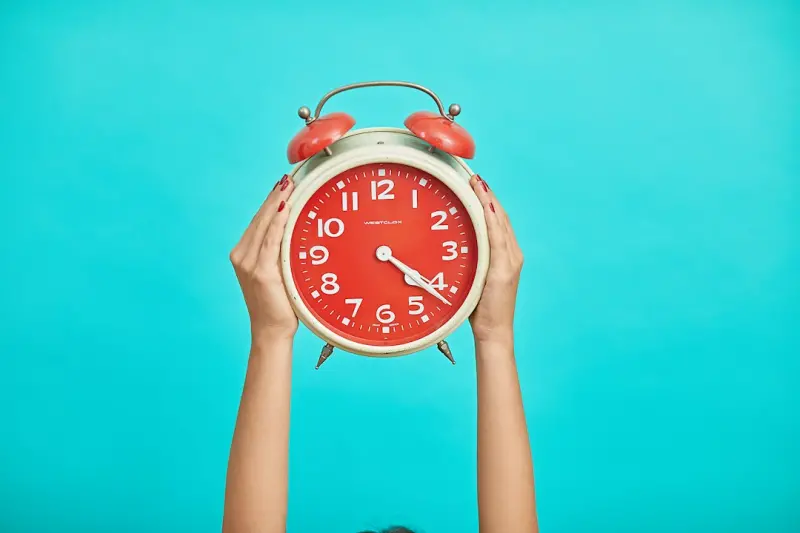
Why Your Body Clock Matters More Than You Think
When the world spins faster than ever, the quiet metronome inside each of us—the circadian rhythm—often gets left behind. It’s the internal timekeeper that orchestrates sleep, hormone release, metabolism, and even mood. Yet most of us treat it like an afterthought, scrolling through phones at midnight or hitting “snooze” on alarms that feel like a personal affront. The result? A cascade of subtle fatigue, brain fog, and cravings that sabotage our best intentions. By learning to respect and gently nudge this rhythm, we can reclaim steadier energy, sharper focus, and deeper rest—all without a single pill.
Light: The Most Potent Signal to Your Internal Clock
Sunlight is the original blue light source that tells our suprachiasmatic nucleus (the brain’s master clock) when to wake up and when to wind down. In the morning, exposure to bright, natural light triggers a surge of cortisol that helps us feel alert. In the evening, dimmer, warmer lighting cues the release of melatonin, the sleep hormone.
Here are three practical steps to harness light wisely:
- Morning Sunburst: Spend at least ten minutes outside within an hour of waking. If the weather doesn’t cooperate, sit by a window that receives direct sunlight and keep blinds open.
- Screen Savvy: Switch devices to “night mode” after sunset and consider blue‑light‑blocking glasses if you must work late. The Inbox Zen mindset can help you set a hard stop for screen time, reducing the late‑night light assault.
- Evening Ambiance: Replace harsh LED bulbs with amber or red lighting in the hour before bed. Dimmable lamps or smart bulbs that shift hue automatically can make this transition effortless.
Meal Timing: Feeding Your Clock, Not the Other Way Around
When you eat can be just as influential as what you eat. Our digestive system follows its own circadian rhythm, becoming most efficient during daylight hours. Late‑night meals can disrupt insulin sensitivity and delay melatonin production.
Try the following rhythm‑friendly eating pattern:
- Early Breakfast: Aim for a protein‑rich start within two hours of waking. This stabilizes blood sugar and sends a “daytime” signal to your metabolism.
- Midday Main: Schedule your largest meal between 12 p.m. and 2 p.m. Your body’s thermogenic response peaks then, meaning you’ll burn calories more efficiently.
- Light Dinner: Keep evening meals light and finish at least three hours before bed. Think vegetables, lean protein, and healthy fats—nothing that will spike your energy just before sleep.
Movement: Aligning Physical Activity with Daylight
Exercise isn’t just about fitness; it’s a powerful cue for your circadian system. Morning movement, especially outdoors, amplifies the wake‑up signal, while evening workouts can raise core temperature and delay sleep if they’re too intense.
Here’s a rhythm‑centric workout framework:
- Sunrise Stretch: Begin your day with 10‑15 minutes of gentle yoga or mobility work in natural light. This awakens the muscles and reinforces the morning light cue.
- Midday Momentum: If possible, incorporate a brisk walk, bike ride, or quick bodyweight circuit during your lunch break. The midday boost supports alertness for the afternoon slump.
- Evening Ease: Save high‑intensity cardio for earlier in the day. In the evening, opt for restorative activities—light stretching, tai chi, or a leisurely stroll under the stars.
Mindful Technology Use: Creating Digital Boundaries
Our devices have become the modern equivalent of artificial sunlight, flooding us with bright, blue‑rich light at all hours. The Designing Daily Rituals post highlighted the power of small habit tweaks; we can apply the same principle to tech.
Set up a “digital sunset” routine:
- Choose a consistent time each evening (e.g., 8 p.m.) to turn off non‑essential devices.
- Activate “Do Not Disturb” on phones and computers to silence notifications.
- Replace scrolling with a calming activity—reading a physical book, journaling, or preparing for the next day.
This disciplined approach reduces nighttime light exposure and gives your brain a chance to transition into the restorative phase of melatonin production.
The Role of Temperature: Warm Nights, Cool Mornings
Body temperature follows a predictable pattern: it rises during the day and falls at night, signaling sleep readiness. Manipulating ambient temperature can therefore reinforce your circadian rhythm.
Try these temperature hacks:
- Cool Bedroom: Aim for a bedroom temperature around 65°F (18 °C). A cooler environment encourages the natural dip in core body temperature that facilitates sleep onset.
- Warm Shower: Taking a warm shower 90 minutes before bed can paradoxically promote cooling afterward, accelerating the sleep signal.
- Morning Fresh Air: Open windows as soon as you rise (weather permitting) to let cool air invigorate you and reinforce the day‑time temperature rise.
Social Rhythm: Synchronizing with Your Community
Humans are social creatures, and our interpersonal interactions can act as zeitgebers—time‑giving cues—that help anchor our internal clocks. Regular meal times with family, scheduled workout classes, or even a consistent coffee break with colleagues create predictable patterns that support circadian stability.
If your schedule is highly variable, consider establishing a “social anchor”—a recurring weekly activity that you can rely on, such as a Thursday night cooking class or a Saturday morning hike. The consistency of shared experiences can buffer the disruptive effects of an otherwise chaotic calendar.
Micro‑Habits: Tiny Wins for a Big Clock Reset
Changing a whole lifestyle overnight is unrealistic. Instead, focus on micro‑habits—single‑action adjustments that are easy to adopt and stack over time. Here are three to start with:
- “Sunrise Sip”: Place a glass of water by your bedside and drink it as soon as the alarm goes off. Hydration jump‑starts metabolism and reinforces the morning cue.
- “Evening Unplug”: Set a timer for 30 minutes before bed that dims lights and silences devices, signaling it’s time to wind down.
- “Midday Move”: Use a standing desk or take a five‑minute stretch break every two hours to keep the body’s internal rhythm humming.
These modest tweaks may seem insignificant, but when layered together they create a robust framework that guides your body clock back to its natural tempo.
Bringing It All Together: A Sample 24‑Hour Rhythm Blueprint
Below is a practical, day‑long schedule that incorporates the strategies discussed. Feel free to adapt it to your personal commitments.
- 6:30 a.m. Wake, open curtains, and step outside for 10 minutes of natural light. Drink a glass of water (Sunrise Sip).
- 7:00 a.m. Light stretching or yoga in the sunlight.
- 7:30 a.m. Protein‑rich breakfast (e.g., eggs, Greek yogurt, berries).
- 9:30 a.m. 5‑minute stretch break (Midday Move).
- 12:00 p.m. Main meal—balanced carbs, protein, and healthy fats.
- 12:30 p.m. 20‑minute walk outdoors.
- 3:00 p.m. Light snack (nuts or fruit) and a brief eye‑rest break.
- 6:00 p.m. Light dinner, finished by 7:00 p.m.
- 7:30 p.m. Evening Unplug: dim lights, switch devices to night mode, and engage in a calming activity.
- 9:00 p.m. Warm shower, then prepare a cool bedroom environment.
- 9:30 p.m. Bedtime reading or journaling—no screens.
Consistency is key. Even if you can’t follow the blueprint perfectly every day, the recurring elements—light exposure, meal timing, movement, and tech boundaries—will gradually recalibrate your circadian rhythm.
When to Seek Professional Guidance
If you’ve tried these adjustments and still struggle with insomnia, chronic fatigue, or mood swings, it may be time to consult a sleep specialist or a chronobiologist. Underlying conditions such as delayed sleep‑phase disorder, shift‑work disorder, or hormonal imbalances can require tailored interventions, including light‑therapy boxes, melatonin supplementation, or behavioral therapy.
Remember, aligning with your body clock isn’t about perfection; it’s about building a compassionate relationship with the biological rhythms that keep you thriving.
Final Thought: Your Rhythm, Your Power
In a world that glorifies hustle, honoring the natural ebb and flow of your internal clock is a radical act of self‑care. By curating light, food, movement, and digital habits, you give yourself the best chance to operate at peak performance—day after day. Start small, stay consistent, and watch as the subtle shift in energy, focus, and sleep quality becomes a noticeable, empowering transformation.

Lauren Miller is a true outdoors enthusiast who has found her passion in the trades. When she's not working hard on the job, you can find her writing, camping, fishing, and exploring all that nature has to offer. A dedicated partner to her wife Beth, Lauren loves nothing more than spending quality time together and experiencing the great outdoors side by side.
Related Posts

Breathing Into the Future: Wearables Meet Intentional Breath
Mei Chen shares a data‑driven approach to health, showing how deliberate breathwork paired with we... Read More

Harnessing Breath: How Wearable Biofeedback Can Rewire Your Stress Response
Learn how wearable biofeedback transforms ordinary breathing into a powerful tool for stress reducti... Read More

Urban Forest Bathing: Turning City Streets into Stress‑Busting Green Sanctuaries
Discover a data‑driven approach to urban forest bathing that transforms sidewalks, rooftops, and a... Read More
Top Posts

Wanderlabs: Turning Every Trip into a Personal Growth Experiment
Treat each journey as a lab by setting simple hypotheses, tracking micro‑habits, and using local soundscapes, turning travel experiences into concrete persona...Read More

Cultivating a Sensory Garden: A Multi‑Sensory Retreat for Home & Garden Lovers
Learn step‑by‑step how to build a sensory garden that awakens all five senses, offering a soothing retreat right at home....Read More

Reviving the Front Porch: From Bare Steps to a Vibrant Sanctuary
Discover how to turn a neglected front porch into a welcoming sanctuary with purposeful design, comfortable seating, vibrant plants, thoughtful lighting, and se...Read More

When Ambient AI Becomes the Invisible Hand of Your Workflow
Ambient AI turns everyday workspaces into responsive, low‑friction environments that anticipate needs, preserve focus, and foster inclusive productivity—all...Read More
0 Comments
Post Comment
You will need to Login or Register to comment on this post!