

When the word “travel” still conjures images of packed suitcases, long‑haul flights, and endless itineraries, a quieter revolution is unfolding just beyond the city limits. Travelers are swapping marathon vacations for bite‑sized, hyper‑local getaways that fit into a weekend, a long‑weekend, or even a single day. I call these “micro‑escapes,” and they’re not just a budget‑friendly hack—they’re reshaping how we experience place, purpose, and presence.
Why Micro‑Escapes Are Gaining Momentum
The rise of remote work and flexible schedules has loosened the rigid “9‑to‑5” travel window that once dictated when and how we could explore. As more professionals discover that their office can be a café in a neighboring town, the appetite for short, immersive trips has surged. These mini‑adventures satisfy the craving for novelty without the logistical drag of booking weeks‑ahead flights or navigating visa requirements. Moreover, the environmental toll of a single long‑haul flight is now a conversation starter at every dinner table, prompting travelers to ask, “What if I could reset my mind without adding carbon to the atmosphere?”
The Psychology Behind Short‑Burst Travel
Our brains are wired for novelty. A new environment triggers dopamine spikes that can boost creativity, problem‑solving, and even mood. However, the anticipation of a major trip often fades weeks before departure, diluting that dopamine surge. Micro‑escapes compress the anticipation–experience loop into a tighter feedback cycle, delivering a more immediate reward. Research shows that short, frequent breaks can improve focus and reduce burnout more effectively than one long vacation per year. The key is intentionality: each micro‑escape is a deliberate pause, not an after‑thought.
Planning a Micro‑Escape: Tools and Tactics
Effective micro‑travel starts with a clear, concise plan. Here’s a quick framework:
- Define the “why.” Are you chasing fresh cuisine, a hike, or a cultural workshop? Knowing the purpose narrows your options.
- Set a radius. Limit yourself to a 60‑minute drive or train ride. This constraint forces creativity and reduces travel fatigue.
- Scout local gems. Community forums, Instagram geotags, and municipal tourism sites reveal hidden assets that mainstream guides overlook.
- Book minimally. Reserve one essential element—like a boutique B&B or a guided tour—to anchor your itinerary, then leave the rest open for spontaneous discovery.
Technology makes this process smoother than ever. Apps that aggregate real‑time public‑transport schedules, crowd‑sourced safety alerts, and even micro‑itinerary generators can shave hours off your planning time.
Tech That Makes Tiny Trips Seamless
One of my favorite tools is a AI‑driven decision‑fatigue antidote that curates personalized day‑trip suggestions based on your calendar, weather forecasts, and past preferences. Instead of scrolling endless lists, you receive a handful of curated options—each with an estimated travel time, cost, and “experience score.” Another emerging trend is the rise of “digital nomad hubs” that double as coworking spaces and social clubs, allowing you to blend work and leisure without missing a beat. These hubs often partner with local tour operators, offering exclusive pop‑up experiences for members.
Sustainability and Community Impact
Micro‑escapes naturally align with sustainable travel principles. Shorter distances mean fewer emissions, and the economic boost stays within regional economies rather than being siphoned off to large, multinational resort chains. When you spend a night in a family‑run guesthouse or dine at a farmer’s market, you’re directly supporting the people who keep the locale vibrant. Moreover, the low‑impact nature of day trips encourages repeat visitation, fostering deeper relationships between travelers and host communities.
Case Study: A Weekend in a Forgotten Town
Last spring, I ventured to Elmwood Junction, a former rail town just 45 minutes from my city. The town’s claim to fame is an abandoned train depot turned art gallery. I arrived on a Saturday morning, checked into a renovated loft that doubled as a coworking space, and spent the afternoon sketching the mural‑covered walls. That evening, a local chef hosted a pop‑up dinner featuring heirloom vegetables harvested from nearby community gardens. The next day, I joined a guided foraging walk that taught me to identify edible wild greens—a skill I still use on city hikes. The entire experience required only a single overnight stay, a modest budget, and left me with a renewed sense of connection to the region.
Future Trends: From Micro to Nano Adventures
Looking ahead, the micro‑escape model will likely evolve into “nano‑adventures”—ultra‑short experiences lasting a few hours. Imagine a sunrise yoga session on a rooftop garden followed by a guided street‑art tour, all coordinated via an app that syncs with your calendar. As AI continues to refine personal recommendations, these nano‑adventures could become as routine as coffee breaks, integrating seamlessly into our daily rhythms.
Integrating Work‑From‑Anywhere Mindset
For those already embracing a flexible work lifestyle, micro‑escapes are a natural extension. The principles behind work‑from‑anywhere as a launchpad for a new employment paradigm—autonomy, fluid boundaries, and location independence—translate directly into how we design our travel experiences. By treating each short trip as a “remote work sprint” in a new environment, you can harness the creative boost of a fresh setting while maintaining productivity. This hybrid approach turns the traditional weekend getaway into a strategic tool for personal and professional growth.
In the end, micro‑escapes are more than a trend—they’re a response to a world where time is precious, sustainability is non‑negotiable, and curiosity is insatiable. Whether you’re a seasoned traveler or a newcomer to the road, the next adventure might be just a short drive away, waiting to be discovered.

Dale Peterson is a freelance writer with a passion for technology, travel, law and personal finance. With 10 years of experience crafting compelling and informative content, he's dedicated to delivering high-quality writing for Blogging Fusion that engages audiences and achieves specific goals.
Related Posts

Turn Your Layovers Into Mini‑Adventures: A Fresh Playbook for the Modern Traveler
Learn to reframe airport layovers as intentional micro‑adventures using a curated toolkit, AI‑dr... Read More
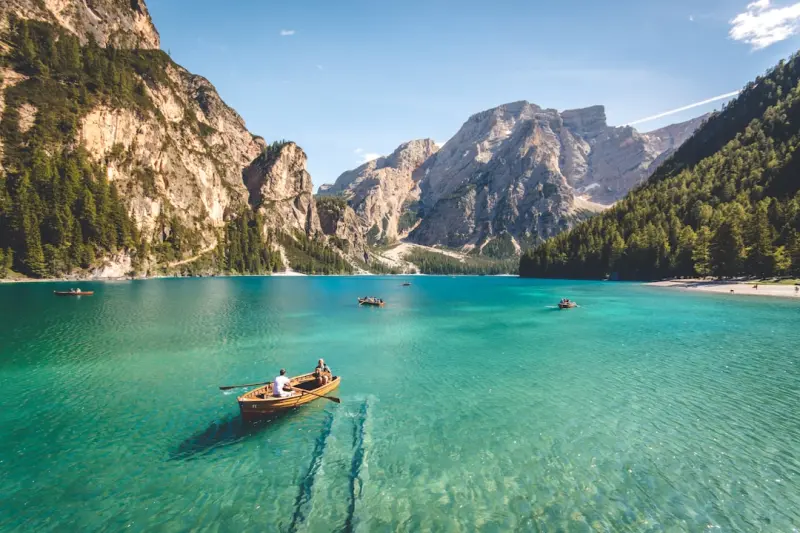
When the Airport Becomes a Playground: Harnessing Unexpected Transit Moments for Personal Growth
Discover how embracing the unexpected moments in airports can transform idle layovers into powerful ... Read More
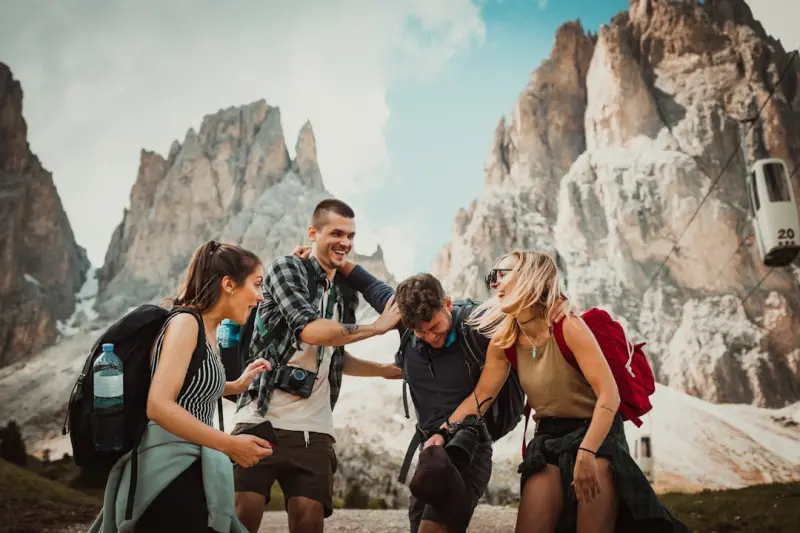
Travel as a Living Museum: Curating Sensory Adventures on the Road
A fresh take on travel encourages explorers to treat each destination as a living museum, using a se... Read More
Top Posts

Sleep Reimagined: Wearables Shaping Restful Nights
A deep dive into modern sleep wearables, what their data really means, and practical lifestyle tweaks—like smart lighting and a micro‑cold splash—to help ...Read More

From My Garden Desk: Rose DesRochers on the New Era of Employment
Rose DesRochers shares her journey of converting a garden into a dynamic workspace, revealing why green spaces are the next frontier in flexible employment....Read More

Cold Water Immersion: Unlocking Natural Resilience and Vitality
Explore the science behind cold water immersion and learn practical steps to safely integrate this ancient practice into modern life for immune, metabolic, and ...Read More
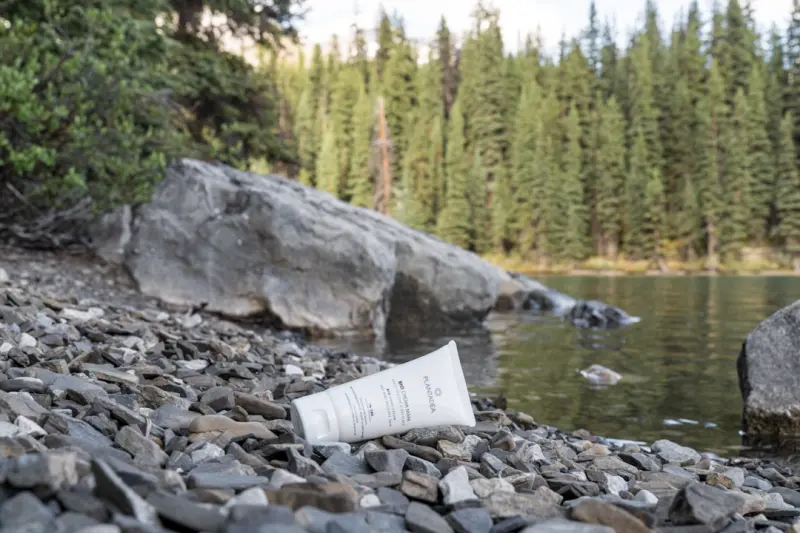
The Wild Prescription: How Forest Bathing Boosts Modern Health
Forest bathing, rooted in Japanese shinrin‑yoku, offers measurable health benefits—from reduced cortisol to enhanced immune function. Learn practical steps,...Read More
0 Comments
Post Comment
You will need to Login or Register to comment on this post!