
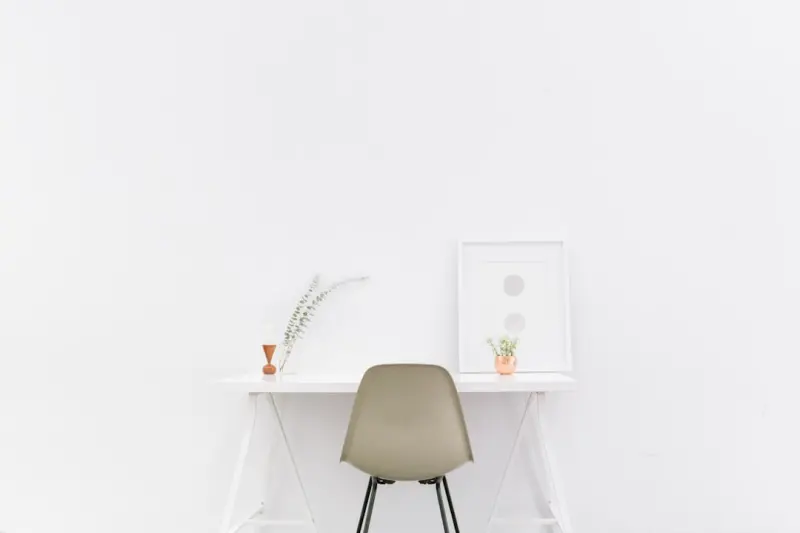
Why Functional Minimalism Matters in a Modern Home
When I first walked through the hallway of my newly‑bought townhouse, the clutter seemed to whisper louder than the paint on the walls; it was a constant reminder that space, like any relationship, thrives on clarity and intention. Over the years I’ve learned that functional minimalism isn’t about stripping away comfort, but about curating each item so that it serves a purpose, a feeling, or a story without overwhelming the senses. This mindset shifts the home from a storage unit to a sanctuary, allowing the mind to settle and the body to recharge after a long day. In practice, the transformation starts with a simple audit: ask yourself if each piece you own truly enhances your daily life, and if not, consider letting it go.
Step‑by‑Step Decluttering Toolkit
The first weapon in my decluttering arsenal is a traffic‑flow analysis, a quick walk‑through where you map the most‑used pathways from the front door to the kitchen, bathroom, and bedroom.
- Identify bottlenecks where shoes, mail, or stray toys consistently block movement.
- Design a “landing zone” near each entry point to catch items before they infiltrate living spaces.
- Allocate dedicated storage for each zone—think shallow trays for keys, a sturdy basket for mail, and a low‑profile bench for shoes.
By keeping the most frequented routes free of obstacles, you instantly feel the home breathe, and the mental load of searching for everyday objects drops dramatically.
Lighting is the silent partner in any decluttered environment; layering warm, adjustable fixtures creates visual hierarchy and reduces the urge to fill walls with decorative clutter. I start with ambient ceiling lights set to a soft 2700 K hue, then add task lamps where reading or cooking occurs, and finish with accent LEDs that highlight a favorite artwork or plant. When the light feels intentional, you’re less tempted to plaster the walls with extra pictures just to “fill a void.” For those who love a touch of nature, consider turning your backyard into a living laboratory—a small, curated herb corner that doubles as a visual focal point and a source of fresh flavor.
Sound can be just as cluttered as physical objects, especially in open‑plan homes where echoes bounce off hard surfaces. I discovered that a few strategically placed acoustic panels—often disguised as decorative canvases—can mute unwanted reverberations, making conversation easier and sleep more restful. This approach aligns perfectly with the power of home soundscapes, where soothing background tones replace the harsh clatter of everyday life, allowing you to focus on the moments that truly matter.
Sustaining the Change
Smart storage isn’t just about buying the fanciest bins; it’s about integrating solutions that adapt as your lifestyle evolves. Vertical shelving units that glide up and down, modular drawer systems, and under‑bed containers become the backbone of a fluid home environment, ensuring that as seasons change or new hobbies emerge, your storage can expand without prompting a full‑scale overhaul. A simple rule of thumb I follow is the “one‑in, one‑out” policy: for every new piece you bring home, a comparable item must leave, keeping the total inventory steady.
Energy efficiency is another silent pillar of a well‑kept home. Simple habits—like unplugging chargers when not in use, swapping incandescent bulbs for LEDs, and using programmable thermostats—reduce both utility bills and the ecological footprint. If you have a garden or patio, integrating a rain‑water catchment system can be a game‑changer; I recommend designing a rain garden to manage runoff while adding a low‑maintenance splash of greenery that doubles as a natural filter.
To keep momentum, I maintain a quarterly “home health” calendar that slots in 30‑minute sessions for specific zones: January for the entryway, April for the kitchen cabinets, July for the bedroom closets, and October for the living‑room media center. This routine prevents overwhelm, turning maintenance into a series of bite‑sized tasks rather than a massive annual purge. Each session ends with a brief visual inspection—if the space feels airy and functional, you’ve succeeded; if not, note the friction points and address them next quarter.
My favorite personal experiment involved converting a seldom‑used guest room into a multi‑purpose reading nook. By installing a floor‑to‑ceiling bookshelf, a plush armchair, and a low‑profile reading lamp, the room became a sanctuary that encourages daily literary immersion without sacrificing floor space. The key was to keep the décor minimal: a single rug, a few curated art pieces, and a small indoor plant for a touch of life. This transformation illustrates how even the smallest spaces can be repurposed to serve a high‑impact function, reinforcing the broader philosophy that every square foot should earn its place.
In the end, the journey toward a functional, minimal home is less about a single sweeping makeover and more about cultivating a mindset that values intentionality over excess. By systematically evaluating traffic flow, layering light, curating sound, and installing adaptable storage, you create a living environment that supports well‑being, productivity, and peace of mind. The home becomes a canvas for your life’s best moments, not a storage dump that silently saps energy. If you’re ready to start the transformation, pick one of the tools above, set a timer for 30 minutes, and see how quickly a cluttered corner can become a source of calm.

Robert Mathews is a professional content marketer and freelancer for many SEO agencies. In his spare time he likes to play video games, get outdoors and enjoy time with his family and friends .
Related Posts

Create a Stress‑Free Home Sanctuary on a Budget
Turn your living space into a calming sanctuary without costly renovations by decluttering purposefu... Read More

Pet‑Friendly Home Design: Stylish Solutions for Furry Friends
Learn how to blend durability, safety, and style in every room, creating a pet‑friendly home that ... Read More
Silent Sanctuaries: How Acoustic Zoning Transforms Your Home
Discover how to map, prioritize, and treat sound in each room, using DIY solutions and smart devices... Read More
Top Posts
The Curiosity Habit: A Simple Practice for Stronger Mental Resilience
A fresh look at mental wellness reveals curiosity as a powerful, everyday tool. Learn simple habits to rewire your brain, deepen relationships, and build lastin...Read More

Garden Desks: The Employment Power Play Shaping 2026
In 2026, garden desks have become the go‑to solution for boosting focus, health, and employee satisfaction, turning backyards into thriving productivity hubs....Read More
Create a Quiet Oasis at Home: Sound‑Smart Tips
Learn how to transform every room—living area, kitchen, bedroom, and bathroom—into a peaceful sanctuary with simple acoustic fixes, DIY projects, and sustai...Read More

AI’s Quiet Revolution: Turning Everyday Friction into Creative Fuel
Explore the subtle power of AI as a micro‑assistant that smooths daily friction, fuels creativity, and aligns with personal values, offering practical steps t...Read More
0 Comments
Post Comment
You will need to Login or Register to comment on this post!