
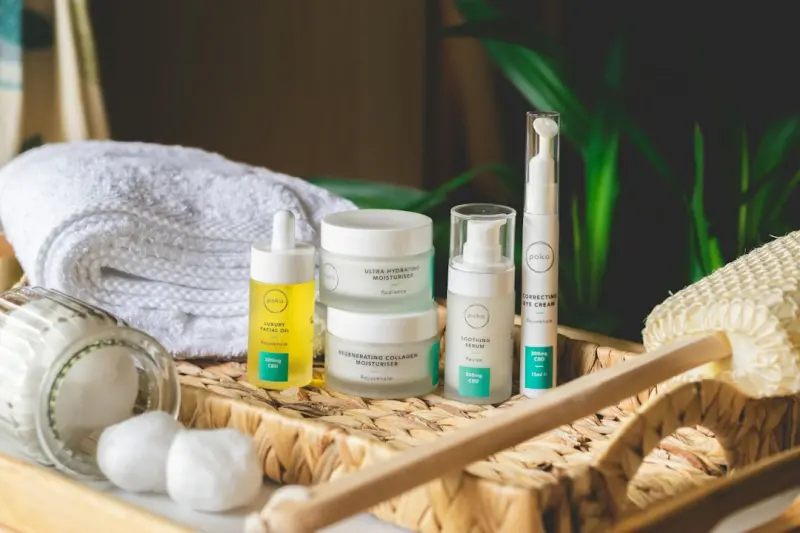
Layered Sensory Care: Turning Everyday Routines into a Personal Wellness Experience
When I first started dissecting the minutiae of my morning routine, I realized that most of us treat personal care like a checklist: brush teeth, wash face, apply moisturizer. It works, but it also feels mechanical. The missing piece? A conscious orchestration of the senses. By deliberately layering light, scent, texture, and temperature, we can transform a functional ritual into a restorative experience that fuels both body and mind.
In this post I’ll walk you through a step‑by‑step framework for building a sensory‑rich personal care routine. You’ll discover how subtle adjustments to the environment, product choices, and timing can amplify focus, calm anxiety, and even improve skin health. And because personal care doesn’t exist in a vacuum, I’ll show you how to weave sustainability and mental clarity into the mix.
Why Sensory Layering Works
Our brains are wired to process sensory information in real time. Each sense—sight, smell, touch, hearing, and temperature—activates distinct neural pathways that can either heighten alertness or promote relaxation. When you combine them thoughtfully, you create a synergistic effect that is greater than the sum of its parts. Research on multisensory integration demonstrates that pairing pleasant aromas with soothing textures can reduce cortisol levels more effectively than either element alone.
Think of it like a well‑composed piece of music. A single note can be beautiful, but a chord—multiple notes played together—creates depth and emotion. In personal care, the “chord” is the simultaneous activation of your visual, olfactory, tactile, and thermal senses. The result? A ritual that not only cleanses the skin but also resets your nervous system.
The Four Pillars of a Sensory Routine
- Light – Natural or artificial illumination that influences circadian rhythm and mood.
- Aroma – Fragrance compounds that can invigorate, calm, or focus the mind.
- Texture – The tactile quality of products, from silky serums to gritty scrubs.
- Temperature – Warmth or coolness that affects blood flow and muscle tension.
1. Light: Harnessing Daylight and Ambient Glow
Morning exposure to bright, natural light triggers the release of serotonin, setting a positive tone for the day. Position your bathroom mirror near a window, or if that’s not feasible, invest in a full‑spectrum light lamp. Even a 5‑minute dose of bright light can synchronize your internal clock and improve alertness.
Evening, on the other hand, benefits from low‑intensity, warm lighting that signals melatonin production. Dimming your bathroom lights an hour before bed can cue your body that it’s time to unwind.
If you’re looking for inspiration on how to incorporate daylight intentionally, check out strategies for reclaiming daylight for health—the concepts translate beautifully into personal care spaces.
2. Aroma: Crafting a Signature Scent Profile
The sense of smell is directly linked to the limbic system, the brain region that governs emotions and memory. Selecting the right fragrance can turn a mundane wash into a mood‑lifting event. Here are three scent families and the states they typically promote:
- Citrus (lemon, bergamot) – Energizing, perfect for morning wake‑ups.
- Herbal (lavender, rosemary) – Calming, ideal for pre‑sleep rituals.
- Woody (cedar, sandalwood) – Grounding, great for mid‑day focus.
When layering scents, start with a light, volatile top note (like citrus) in a shower spray, then follow with a deeper, longer‑lasting base note (such as cedar) in a post‑shower lotion. The transition mirrors the way a symphony moves from a bright opening to a resonant finale.
3. Texture: The Tactile Dialogue Between Skin and Product
Texture influences how quickly a product is absorbed and how satisfying it feels to apply. A silky serum glides over the skin, sending signals of luxury and smoothness, whereas a gentle exfoliating cream provides a subtle micro‑massaging effect that boosts circulation.
To keep things interesting, alternate between a smooth, hydrating moisturizer and a lightly abrasive mask once or twice a week. This not only prevents sensory monotony but also promotes skin resilience by training the epidermis to adapt to varied stimuli.
4. Temperature: The Heat‑Cold Dance
Warm water opens pores, allowing cleansers and masks to penetrate more effectively. Cold water, conversely, constricts blood vessels, reducing puffiness and sealing in moisture. By alternating temperature phases—warm rinse followed by a splash of cool water—you create a “thermal wave” that stimulates micro‑circulation and leaves the skin looking refreshed.
For a deeper sensory plunge, try a heated facial steamer before your cleanse, then finish with a chilled facial mist infused with essential oils. The contrast heightens awareness of each step and turns the routine into a mindful practice.
Designing Your Morning Ritual
Below is a sample 10‑minute morning sequence that integrates all four pillars. Feel free to tweak the timings and products to suit your preferences.
- Light Activation (1 minute) – Open the curtains fully or turn on a bright LED panel. Let natural or simulated daylight flood the space.
- Aromatic Wake‑Up (1 minute) – Spritz a citrus‑infused mist onto your face and towels. Inhale deeply to trigger an instant boost of alertness.
- Warm Cleanse (2 minutes) – Use lukewarm water and a silky, sulfate‑free cleanser. The warmth opens pores for a thorough clean.
- Texture Play (2 minutes) – Apply a lightweight serum with a glass roller. The glide enhances product absorption and gives a gentle massage.
- Cool Finish (1 minute) – Rinse briefly with cool water, then pat dry with a soft, high‑loft towel.
- Moisture Lock (2 minutes) – Finish with a cream that carries a subtle herbaceous scent (e.g., rosemary). This seals hydration and adds a calming layer for later in the day.
- Light Dim (1 minute) – Dim the lights slightly to transition your brain into a focused yet relaxed state, ready for work or creative tasks.
Evening Wind‑Down: From Stress to Serenity
The evening routine should reverse the energizing elements and lean heavily into relaxation. Here’s a 12‑minute unwind plan:
- Ambient Glow (2 minutes) – Switch to amber, low‑intensity lighting. If possible, dim the bathroom lights to a warm hue.
- Calming Aroma (1 minute) – Light a lavender or chamomile incense stick, or use a diffuser with a few drops of essential oil.
- Warm Bath or Steam (4 minutes) – Fill the tub with warm water, adding a few drops of eucalyptus oil for a spa‑like experience.
- Gentle Exfoliation (2 minutes) – Apply a light, sugar‑based scrub. The coarse texture encourages a meditative focus on the sensation of the grains moving across skin.
- Cold Seal (1 minute) – Rinse with cool water to close pores, then splash a chilled facial mist for a refreshing finish.
- Moisturizing Night Cream (2 minutes) – Choose a rich, buttery formula scented with vanilla or sandalwood. The deep texture signals to your body that it’s time to repair.
Sustainability Meets Sensory Luxury
Personal care doesn’t have to come at the cost of the planet. By choosing refillable containers, biodegradable ingredients, and low‑impact packaging, you keep the sensory experience ethical and eco‑friendly.
For practical ideas on making your routine greener, explore simple swaps for a greener household. Many of those principles translate directly to bathroom habits—think solid shampoo bars, reusable cotton rounds, and DIY scented oils made from sustainably sourced essential oils.
Integrating Mental Clarity
While the sensory elements work on the body, they also have a profound impact on mental space. A brief mindfulness pause—simply noticing the feel of water on your skin or the scent of your lotion—acts as a mental “reset button.” This aligns closely with practices in emotional hygiene, where intentional sensory focus helps clear mental clutter and improves emotional regulation.
Try this 30‑second check‑in: close your eyes after each step, inhale the scent, feel the texture, and mentally label the sensation (“warm”, “smooth”, “cool”). This simple acknowledgment trains the brain to stay present, reducing the tendency to drift into autopilot.
Putting It All Together: Your Personalized Sensory Blueprint
Creating a lasting sensory routine is less about rigid adherence and more about flexibility. Start by mapping out the four pillars for both morning and evening, then experiment with different combinations. Keep a small journal noting:
- The lighting level and its effect on mood.
- The fragrance you used and any emotional shifts.
- Texture preferences (silky vs. gritty) and skin response.
- Temperature changes and how they impacted your energy.
- Sustainability choices you integrated.
After a week of observation, you’ll have a data‑driven “sensory blueprint” that you can refine seasonally. Perhaps you’ll swap citrus for mint in summer, or introduce richer, oil‑based textures in winter. The blueprint becomes a living document, evolving as your lifestyle and environment change.
Final Thoughts
Personal care is an invitation to connect with yourself on a deeper level. By intentionally layering light, scent, texture, and temperature, you convert a routine chore into a multisensory sanctuary. The payoff isn’t just softer skin; it’s a calmer mind, a more resilient nervous system, and a sustainable habit that respects the world around you.
Give it a try. Turn off the autopilot, engage the senses, and watch how a few mindful tweaks can transform your entire day.

David Moore is a freelance writer specializing in two dynamic and ever-evolving fields: gambling and the tech industry. With a keen eye for detail and a knack for unraveling complex topics, David delivers insightful and engaging content that keeps readers informed and entertained.
Related Posts

Scent‑Powered Productivity: How Smell Shapes Your Personal Care Routine
Learn to harness specific scents at different times of day to improve focus, calm nerves, and create... Read More

When Your Toothbrush Becomes a Wellness Coach: The Future of Oral Personal Care
Discover how modern toothbrushes are evolving into intelligent wellness coaches, integrating data, h... Read More

Seasonal Personal Care: Crafting Rituals That Sync With Nature
Learn to create seasonal personal‑care rituals that adapt to weather, use natural ingredients, and... Read More
Top Posts

Unlocking the Healing Power of Breath: A Practical Guide
Learn how intentional breathing can transform stress, sleep, and performance. This guide offers practical techniques and scientific insight for everyday health....Read More
Layered Sensory Rituals: Turning Everyday Personal Care into a Sanctuary
Learn to elevate your personal care routine by layering sight, scent, touch, sound, and timing, creating a calming sanctuary that boosts well‑being and sustai...Read More
The Skin Microbiome Revolution: Tiny Allies Redefining Personal Care
Discover how nurturing the skin’s microbiome can replace harsh cleansers with microbiome‑friendly habits, using AI insights, cold‑shower benefits, and sus...Read More

From Data to Narrative: How AI Is Redefining Storytelling in B2B SaaS
AI is moving beyond automation to become a co‑author of enterprise narratives, turning metrics into stories that accelerate decisions, align teams, and deepen...Read More
0 Comments
Post Comment
You will need to Login or Register to comment on this post!