
Introduction
When I first encountered generative models that could draft an outline in seconds, I felt a mix of awe and unease. The technology promised to shave hours off my workload, yet it also whispered a subtle question: What happens to the craft of creation when a machine can suggest the first line? Over the past few years, I’ve watched the conversation shift from “Will AI replace us?” to “How can AI amplify the human spark?” This article explores the emerging role of AI as a genuine creative partner—a collaborator that learns, adapts, and pushes us toward ideas we might never have reached on our own.
The Myth of the Lone Genius
Traditional narratives glorify the solitary inventor, the solitary author, the lone designer working in a quiet studio. While compelling, that myth obscures a more accurate picture: breakthroughs are rarely the product of isolated brilliance. In the real world, ideas germinate through dialogue—between teammates, mentors, customers, and yes, increasingly, algorithms. Recognizing AI as a participant in that dialogue reframes the relationship from tool‑use to co‑creation. It’s not about delegating the heavy lifting; it’s about inviting a responsive entity into the brainstorming room, one that can surface patterns, pose “what‑if” scenarios, and iterate faster than any human mind alone.
AI as a Co‑Creator, Not a Tool
To treat AI as a co‑creator, we must first adjust our expectations. A hammer is a tool; you decide where to strike. An AI model, by contrast, can suggest where the nail might belong. This subtle shift demands a new kind of conversational fluency. Instead of issuing blunt commands (“Write a report on…”), you engage in a back‑and‑forth: you propose a seed idea, the model expands, you critique, it refines, you add nuance. Over time, the system internalizes your preferences, style, and even your blind spots, offering suggestions that feel less generic and more genuinely collaborative.
Designing the Conversation
The art of prompting is often described as “prompt engineering,” but that term can feel too technical. Think of it as designing a conversation. Begin with a clear intent, then provide context that the model can latch onto. For example, instead of saying “Create a tagline for my product,” you might say, “I’m building a subscription service that delivers curated art supplies to creatives each month. Our brand values surprise, quality, and community. Draft three tagline concepts that capture that vibe.” The richer the framing, the more relevant the output, and the less time you’ll spend pruning irrelevant drafts.
Case Study: From Draft to Polished Piece
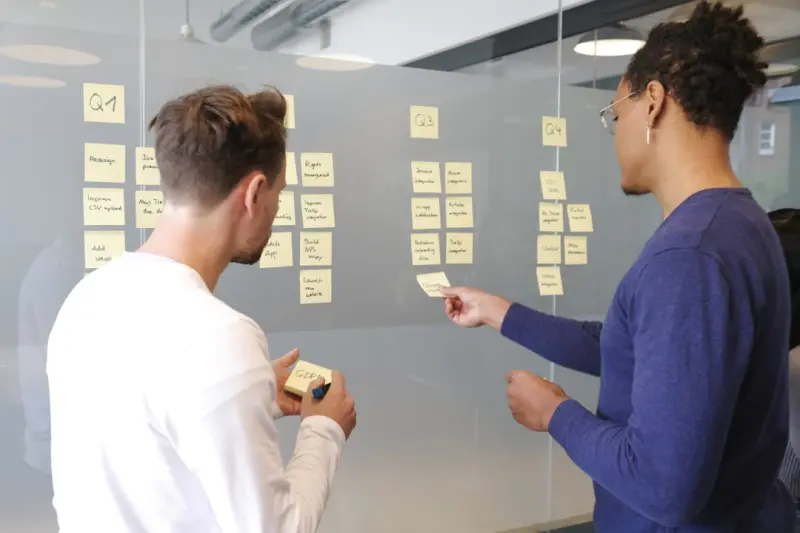
Last quarter, my team needed a thought‑leadership article on the future of AI in strategic planning. Rather than assigning a single writer, we invited an AI co‑learning companion into our editorial sprint. The process unfolded in three stages:
- Ideation Sprint: Each team member fed the model a handful of recent industry reports, prompting it to synthesize emerging trends. Within minutes, we had a concise list of five potential angles.
- Outline Development: We selected the angle that resonated most—AI as a “strategic sounding board.” The model then produced a detailed outline, complete with section headings and key bullet points.
- Iterative Drafting: As we wrote each section, the model offered alternative phrasing, supporting statistics, and even counter‑arguments to strengthen our narrative. The final article required roughly half the editing time compared to our usual workflow.
What emerged wasn’t a generic AI‑generated text; it was a piece that reflected our collective expertise, sharpened by the model’s rapid synthesis capabilities.
Embedding AI into Team Workflows
To make AI a sustainable partner, integrate it at natural touchpoints rather than treating it as an after‑thought. Here are four practical steps:
- Define Collaboration Zones: Identify stages where rapid iteration adds the most value—brainstorming, drafting outlines, data summarization, or even stakeholder Q&A.
- Set Guardrails: Establish clear guidelines for what the model should and shouldn’t handle. For instance, let it draft content but retain human oversight for brand voice and compliance.
- Capture Feedback Loops: Use a shared document or a simple tagging system to note when the model’s suggestion was spot‑on or missed the mark. Over time, this meta‑feedback fine‑tunes the model’s behavior.
- Measure Impact: Track metrics such as time saved, idea count, and satisfaction scores. Quantifying the partnership helps justify continued investment and refines the process.
When teams treat AI as a standing member of the meeting table, its contributions become predictable and valuable rather than surprising or disruptive.
Ethical Guardrails for Creative AI
Any conversation about AI collaboration must address ethics. Two concerns surface repeatedly:
- Attribution: When an AI suggests a phrase that you adopt verbatim, how should credit be allocated? In most corporate settings, the output is considered a work product of the human author, but transparency about AI involvement can build trust, especially with external audiences.
- Bias Mitigation: Generative models inherit biases from their training data. Proactively reviewing suggestions for stereotypical language or assumptions is essential. Encourage diverse team members to vet AI output, and consider fine‑tuning models on inclusive datasets when possible.
Embedding these guardrails early prevents ethical missteps from becoming entrenched habits.
Remote‑Work Health Insights
Our increasingly distributed workforce adds another layer of complexity. While AI can streamline content creation, it also offers subtle support for remote‑work well‑being. For example, AI‑driven check‑in bots can analyze sentiment in daily stand‑up notes, flagging teams that may be experiencing burnout. Such tools complement physical health considerations and can be part of a holistic approach to remote‑work health. Explore more on this topic in our remote‑work health insights article.
The Human Edge: Curiosity and Empathy
No matter how sophisticated, AI lacks lived experience. It can surface patterns, but it cannot feel the excitement of a breakthrough or the disappointment of a missed deadline. That emotional context is where humans excel. By positioning AI as the “idea engine” and humans as the “meaning engine,” teams can leverage the strengths of both. The result is work that is both innovative and resonant.
Future Glimpse: The Evolving Partnership
Looking ahead, I see AI moving from “assistant” to “co‑author” status across many creative disciplines. Imagine a design studio where an AI instantly generates style variations based on a brief, or a strategy team that consults a predictive narrative model to test how a market might respond to different messaging. The partnership will become more seamless, with AI understanding personal quirks and organizational culture to the point where its suggestions feel like extensions of a colleague’s intuition.
Conclusion
The question isn’t whether AI will replace creative roles—it’s how we will collaborate with it. By treating AI as a conversational partner, setting clear ethical boundaries, and embedding it thoughtfully into workflows, we unlock a new tier of productivity and imagination. The future of creation isn’t a solo act; it’s an ensemble, and the newest instrument in the orchestra happens to be algorithmic.

Amanda is a passionate writer exploring a kaleidoscope of topics from lifestyle to travel and everything in between.
Related Posts
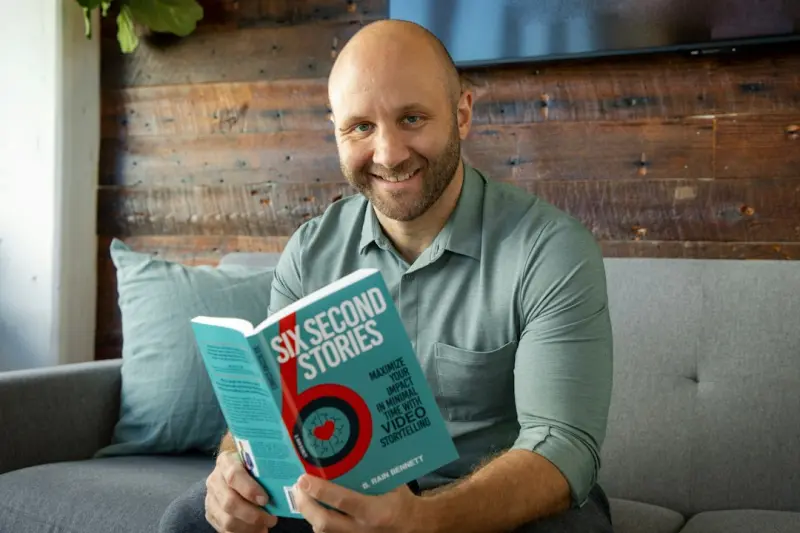
When AI Becomes Your Strategic Storyteller
AI can act as a narrative engine, turning complex data into clear, actionable stories for teams, inv... Read More

When Algorithms Take the Mic: AI‑Powered Storytelling for Brands
Explore how AI can become a collaborative co‑writer, turning data into compelling narratives, scal... Read More

When AI Listens to Your Dreams: A New Frontier in Personal Growth
Discover how AI-driven dream interpreters transform subconscious symbols into concrete life strategi... Read More
Top Posts

Cultivating Curiosity: A Hidden Ally for Workplace Mental Resilience
Curiosity isn’t just for kids; it’s a powerful mental‑health practice that can reduce stress, spark creativity, and build resilience. Learn practical ways...Read More
How Employee Resource Groups Can Supercharge Your Career
Explore the untapped power of Employee Resource Groups as strategic career accelerators, offering networking, skill development, and promotion pathways....Read More

Micro‑Movement Magic: Tiny Actions, Big Health Gains
Learn how micro‑movements—quick, purposeful actions—can transform your health, boost metabolism, and improve mood, all while fitting seamlessly into a hec...Read More

Why Micro‑Mentorship Is the Secret Weapon for Modern Teams
Micro‑mentorship transforms traditional mentorship into short, focused, and mutually beneficial interactions, fostering rapid skill sharing, higher retention,...Read More
0 Comments
Post Comment
You will need to Login or Register to comment on this post!