
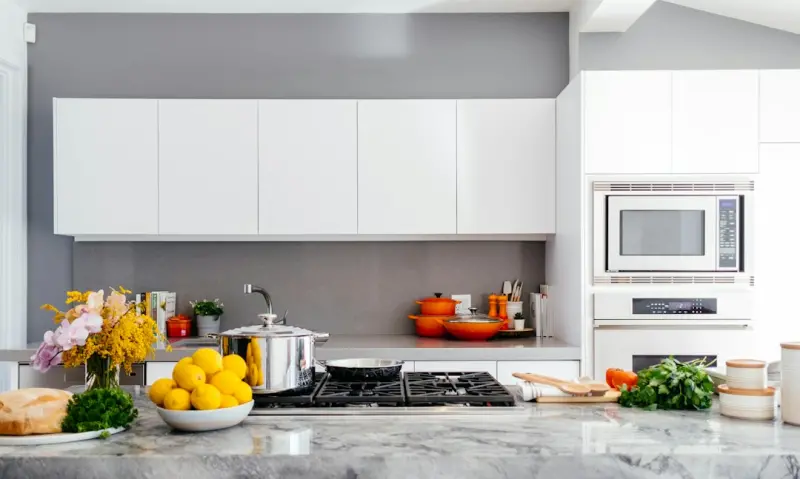
Turn Your Kitchen into a Calm, Productive Hub
When I first moved into my downtown loft, the kitchen was the one room that felt chaotic by default. Open‑concept layouts are gorgeous, but they also let the noise, visual clutter, and even the smell of last night’s dinner linger like an uninvited guest. Over the past year, I’ve turned that chaos into a sanctuary that not only feeds my body but also fuels my focus. Below, I’m sharing the step‑by‑step process that transformed my kitchen from a stress magnet into a calm, productivity‑enhancing space.
1. Start with a Vision: What Do You Want Your Kitchen to Feel Like?
Before you touch a single drawer, ask yourself three questions:
- Purpose: Am I cooking elaborate meals, reheating quick bites, or using the kitchen as a secondary workspace?
- Atmosphere: Do I crave bright energy, soothing neutrals, or a warm, rustic vibe?
- Flow: How will I move from the fridge to the stove, from prep to clean‑up, without back‑tracking?
Write down the answers and keep them visible on your fridge. This “kitchen manifesto” will keep you anchored when the urge to buy a shiny gadget or a trendy backsplash strikes.
2. Declutter with a Purposeful Purge
Clutter is the silent productivity killer. The kitchen is notorious for accumulating items that “might be useful someday.” I tackled this with the three‑box method:
- Keep: Tools I use weekly (chef’s knife, cutting board, coffee maker).
- Donate/Recycle: Duplicate gadgets, expired spices, and broken appliances.
- Store Out of Sight: Seasonal items like holiday bakeware that belong in a high cabinet.
When you place an item in the “keep” box, ask, “Do I use this at least once a week?” If the answer is “no,” it belongs elsewhere. This simple rule cut my countertop clutter by 40%.
3. Optimize Zones for Seamless Movement
The kitchen can be thought of as three primary zones:
- Prep Zone: Cutting board, knives, mixing bowls, and measuring tools.
- Cook Zone: Stove, oven, microwave, and essential cookware.
- Cleanup Zone: Sink, dishwasher, trash, and recycling.
Arrange each zone so that the most used items are within arm’s reach. For example, I installed a magnetic strip on the wall for knives right beside the prep station, and a pull‑out trash bin tucked under the sink to keep the floor clear. This layout mimics a well‑choreographed dance, minimizing back‑and‑forth steps and preserving mental energy.
4. Light It Right—A Subtle Game Changer
Lighting isn’t just about brightness; it shapes mood and focus. I upgraded my under‑cabinet LEDs to a warm 3000K hue, which provides ample task lighting without the harsh glare of fluorescent bulbs. If you’re curious about how lighting can boost concentration, check out how to engineer home lighting for unstoppable focus. The right color temperature can keep you alert for chopping veggies while also calming you for a quick coffee break.
5. Introduce Gentle Scent Layers
Our sense of smell is a powerful, often overlooked productivity tool. I keep a small diffuser on the counter with a blend of citrus and rosemary. Citrus awakens the mind, while rosemary has been shown to improve memory retention. Rotate scents based on the time of day: a light lavender in the evening promotes winding down after dinner, while a peppermint burst can revitalize a mid‑afternoon snack.
6. Bring Green Into the Kitchen—Without a Full‑Scale Garden
Even if you live in an apartment, a few potted herbs can bring life and fresh flavor to your meals. I started a compact herb rack by the window using reclaimed wooden crates. The herbs not only supply fresh garnish but also act as natural air purifiers. For inspiration on integrating greenery without sacrificing space, see the urban oasis. A small herb garden aligns with the broader trend of bringing nature indoors, and it’s a low‑maintenance way to keep your kitchen feeling alive.
7. Adopt Tiny Mental‑Health Hacks for Kitchen Calm
Cooking can be therapeutic, but the kitchen’s bustle can also trigger stress. I incorporated a few of the tiny mental‑health hacks that fit naturally into my cooking routine:
- Micro‑breathing pauses: While waiting for water to boil, close your eyes and inhale for four counts, exhale for six. This resets the nervous system.
- One‑minute mindfulness: Before each cooking stage, take a brief moment to notice the texture, color, and scent of the ingredients. It grounds you in the present.
- Gratitude glance: Look at the dish you’re preparing and silently appreciate the effort you’re putting into nourishing yourself.
These tiny practices add up, turning the kitchen into a sanctuary rather than a stress zone.
8. Streamline Storage with Smart Solutions
Here are three storage ideas that saved me valuable countertop real estate:
- Pull‑out pantry: A narrow rolling cart tucked between the fridge and wall holds canned goods and snacks, sliding out when needed.
- Vertical dividers: Use bamboo dividers in drawers for cutting boards, spatulas, and whisks, keeping them organized and visible.
- Magnetic spice rack: Mount a magnetic strip on the side of the fridge to hold metal spice jars. This frees up cabinet space and makes spices easy to see.
9. Embrace Minimalist Dishware
Having a mountain of mismatched plates can make cleaning feel like a chore. I pared down to a set of twelve plates—four each in three complementary tones. This minimal approach reduces decision fatigue and speeds up the post‑meal cleanup. When you need a pop of color, use a simple glass vase with fresh flowers instead of decorative plates.
10. Establish a “Kitchen Reset” Routine
Every evening, I spend five minutes resetting the kitchen:
- Wipe down counters and stovetop.
- Load the dishwasher or hand‑wash the day’s dishes.
- Take out the trash and replace the bag.
- Check that all appliances are turned off.
- Do a quick visual scan for any stray items and put them back in their designated zones.
This ritual signals the end of the day’s kitchen activities, allowing the space to transition from “work mode” to “relaxation mode.” It also ensures you start the next morning with a clean slate, reducing the temptation to skip cooking because the kitchen looks chaotic.
11. Personalize Without Overcrowding
A personal touch can make the kitchen feel like yours, but balance is key. I added a small framed quote—“Good food, good mood”—above the sink. I also installed a pegboard to hang a few favorite cooking tools, which doubles as décor. Keep personal items to a handful; too many can create visual noise.
12. Leverage Technology Thoughtfully
Smart assistants can be helpful, but they can also become a distraction. I limit my voice‑assistant use to timers and quick recipe look‑ups. For more robust tasks, I rely on a simple printed recipe card system. This reduces screen time while still giving me the benefits of tech when needed.
13. Seasonal Maintenance Checklist
To keep the kitchen humming all year, I follow a seasonal maintenance schedule:
- Spring: Deep clean the refrigerator coils, check for expired pantry items, and replace any worn out silicone seals.
- Summer: Clean the dishwasher filter, inspect the range hood fan for grease buildup, and rotate herb garden pots for optimal sunlight.
- Fall: Service the oven’s heating elements, reseal grout lines, and audit food storage for holiday baking supplies.
- Winter: Test the smoke detector, ensure the water filter is fresh, and check for any draft spots around windows that could affect temperature.
Sticking to this checklist prevents small issues from snowballing into costly repairs and keeps the kitchen environment pleasant year‑round.
14. Celebrate Your Progress
Every time you complete a reorganization or notice that meal prep feels smoother, take a moment to celebrate. Acknowledge that you’ve turned a chaotic corner of your home into a place that supports your well‑being and productivity. This positive reinforcement makes it easier to maintain the changes you’ve made.
In the end, a calm kitchen isn’t about achieving a picture‑perfect Instagram aesthetic; it’s about creating a space that serves you—physically, mentally, and emotionally. By applying intentional design, mindful habits, and a touch of technology, you can turn the heart of your home into a hub of calm, nourishment, and focused energy. Happy cooking, and enjoy the newfound serenity!

Jody Henderson is a passionate freelance writer, driven by a love for storytelling and a keen eye for detail. With a versatile skillset, she crafts compelling content across a variety of niches, from engaging blog posts to informative articles and persuasive marketing copy.
Related Posts
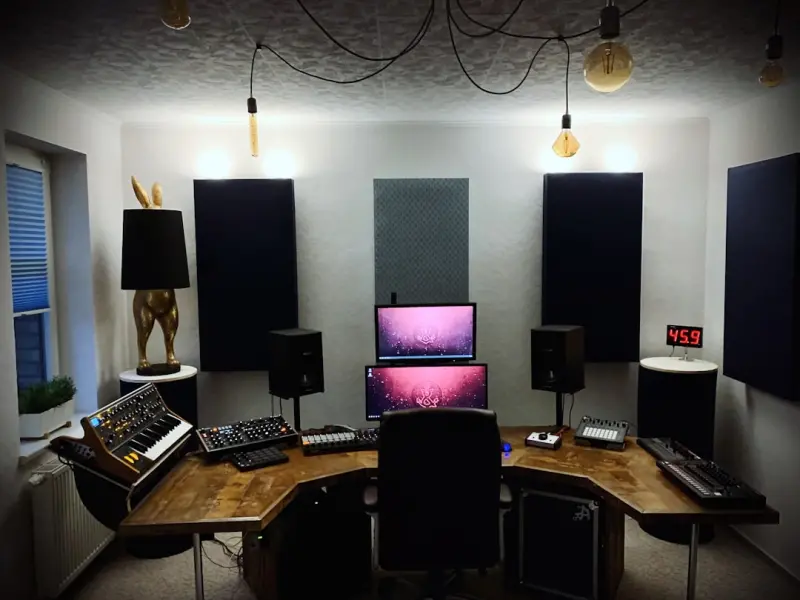
Quiet Corners: Mastering Home Acoustics for Better Focus
Learn how to transform noisy rooms into acoustic havens with rugs, curtains, DIY panels, plants, and... Read More

Revitalizing Your Home Entryway: Small Changes, Big Impact
A step‑by‑step guide to turning your front hallway into a functional, mood‑boosting sanctuaryâ... Read More
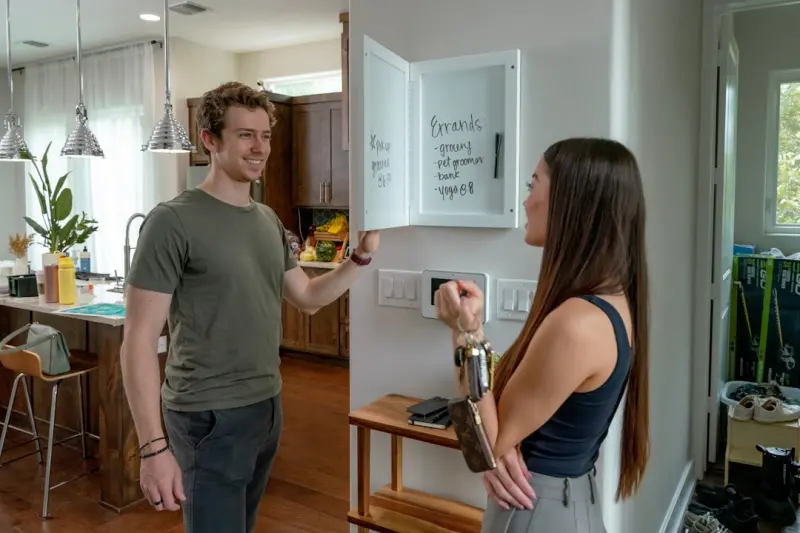
The Hidden Power of Everyday Home Tweaks: Boost Comfort, Save Money, and Feel More Alive
Small, intentional adjustments—like optimizing light, sealing drafts, adding greenery, and creatin... Read More
Top Posts

Quiet Power: How Sound and Scent Can Transform Your Personal Care Routine
Explore the emerging sensory reset trend that uses sound and scent to create a calm, focused environment, offering a fresh, low‑tech approach to personal care...Read More

AI as a Creative Partner: Rethinking Collaboration
Discover a fresh perspective on AI collaboration, shifting from tool use to true co‑creation, with practical steps, ethical guardrails, and future insights....Read More

Vertical Oasis: Transforming Small Balconies into Thriving Gardens
Discover step‑by‑step techniques to turn a cramped balcony into a thriving vertical garden, using reclaimed wood, lightweight pots, and smart watering for f...Read More
The Garden Desk Revolution: How Outdoor Workspaces Redefine Home Life
Explore the rise of garden desks, their impact on productivity and home life, and simple steps to create your own outdoor workspace oasis....Read More
0 Comments
Post Comment
You will need to Login or Register to comment on this post!